Meetingpoint Music Messiaen Zgorzelec-en

Meetingpoint Music Messiaen Zgorzelec

European Centre for Education and Culture — Meetingpoint Music Messiaen, Görlitz/Zgorzelec, Poland

1st Prize in the competition for the architectural and urban design concept, 2009

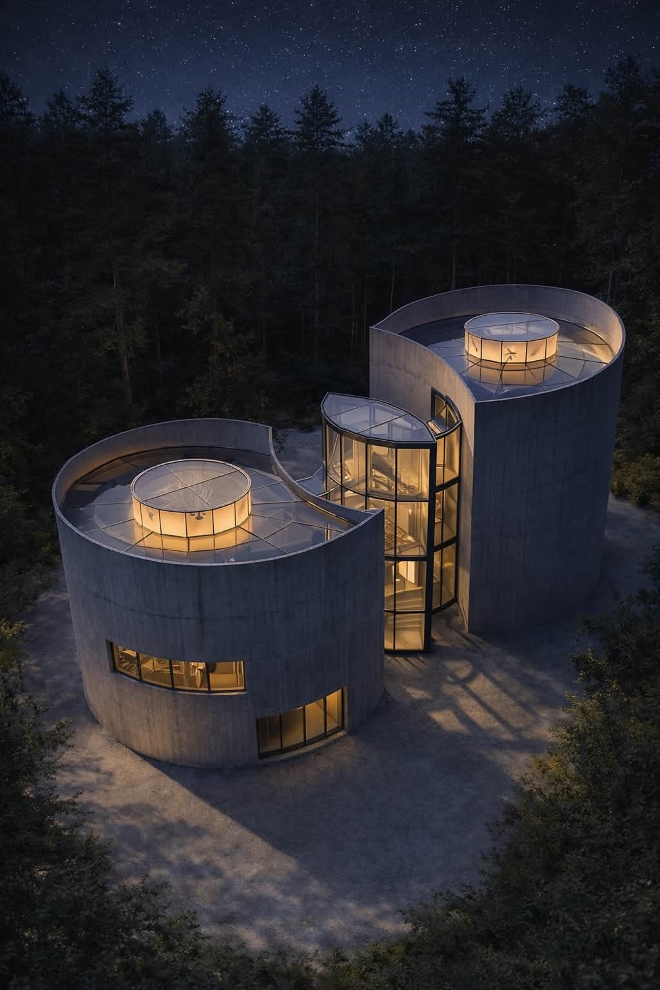
On the site of the former prisoner-of-war camp Stalag VIIIa, Olivier Messiaen completed his Quatuor pour la fin du temps during his captivity. The work was first performed in the camp on 15 January 1941 and is today regarded as one of the most important chamber music compositions of the 20th century. At this historically significant location, the Meetingpoint Music Messiaen was conceived as a European centre for remembrance, education and culture.

Ruairí O’Brien’s winning design connects the memory of the site with contemporary creative activity, creating a place for encounter, exchange and reflection.

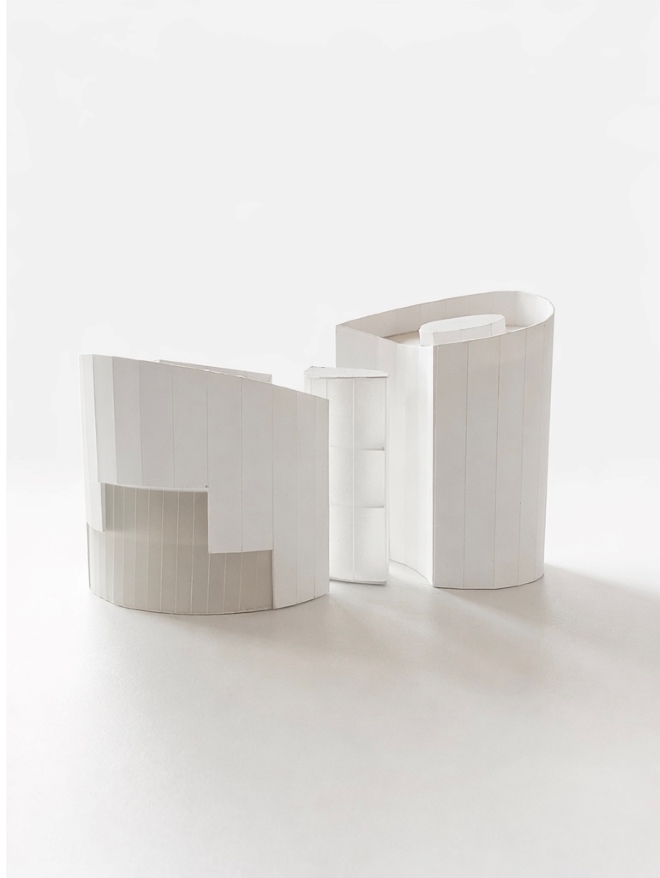
The concept is structured around two areas: the “Island of Remembrance” and the “Island of Hope”. Together, they describe a movement from the past into the present and onwards into the future. Generous, rounded forms shape both the architecture and the landscape, forming a deliberate counterpoint to the rigid, grid-based and purely functional thinking of the National Socialist system.

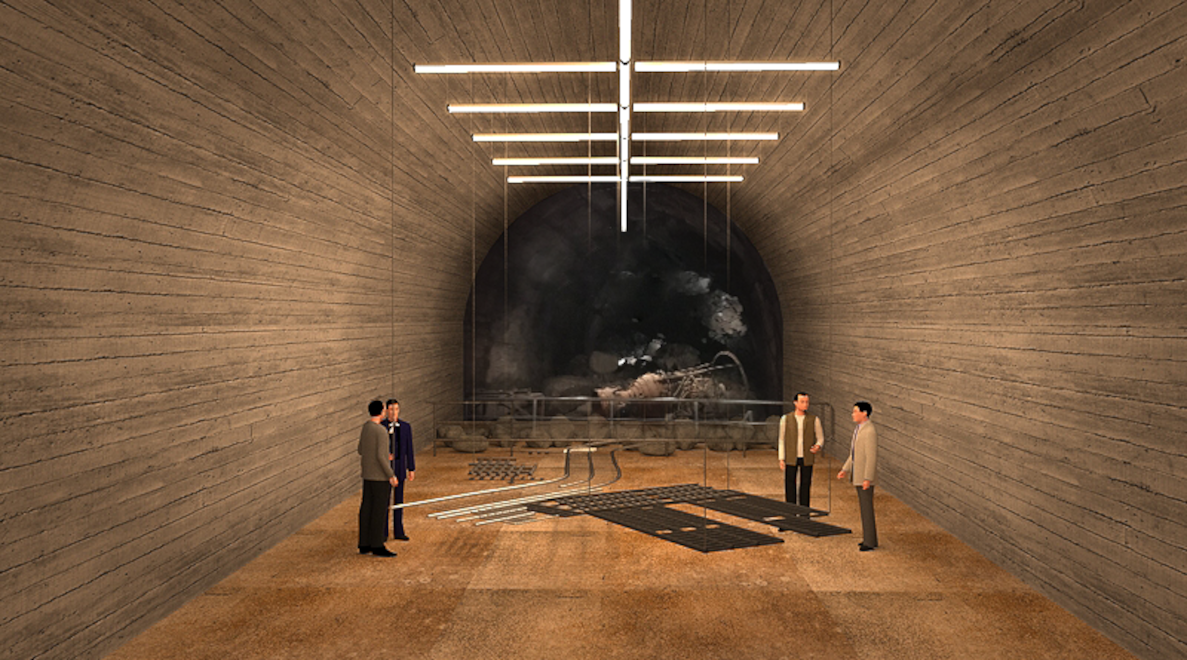
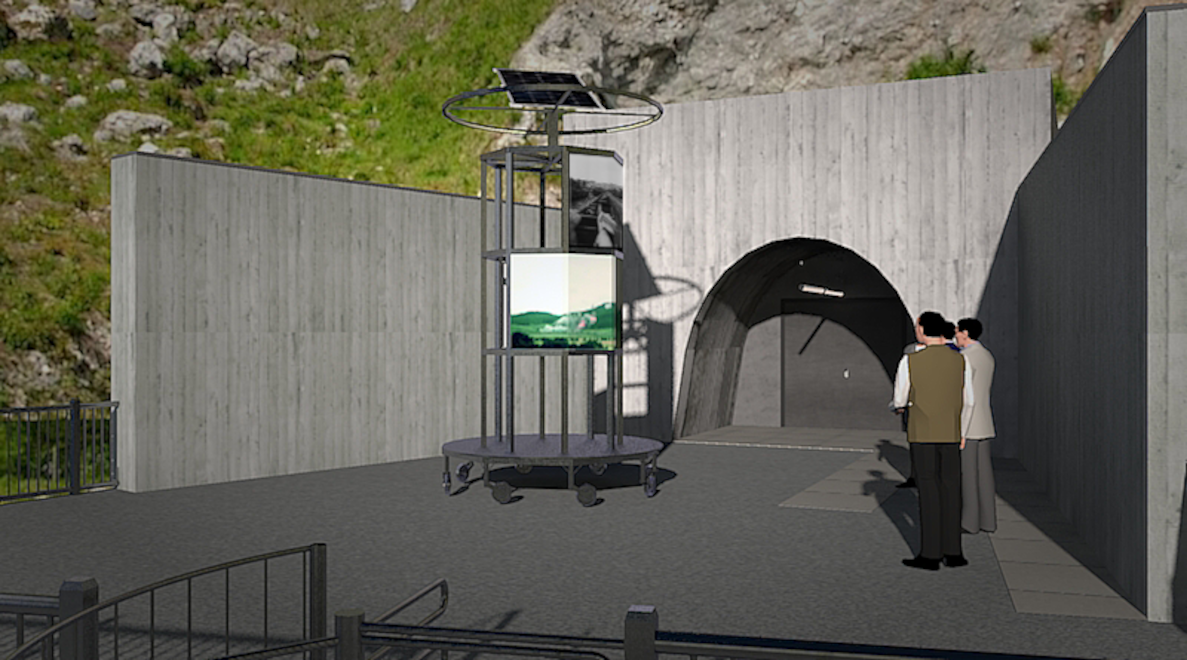
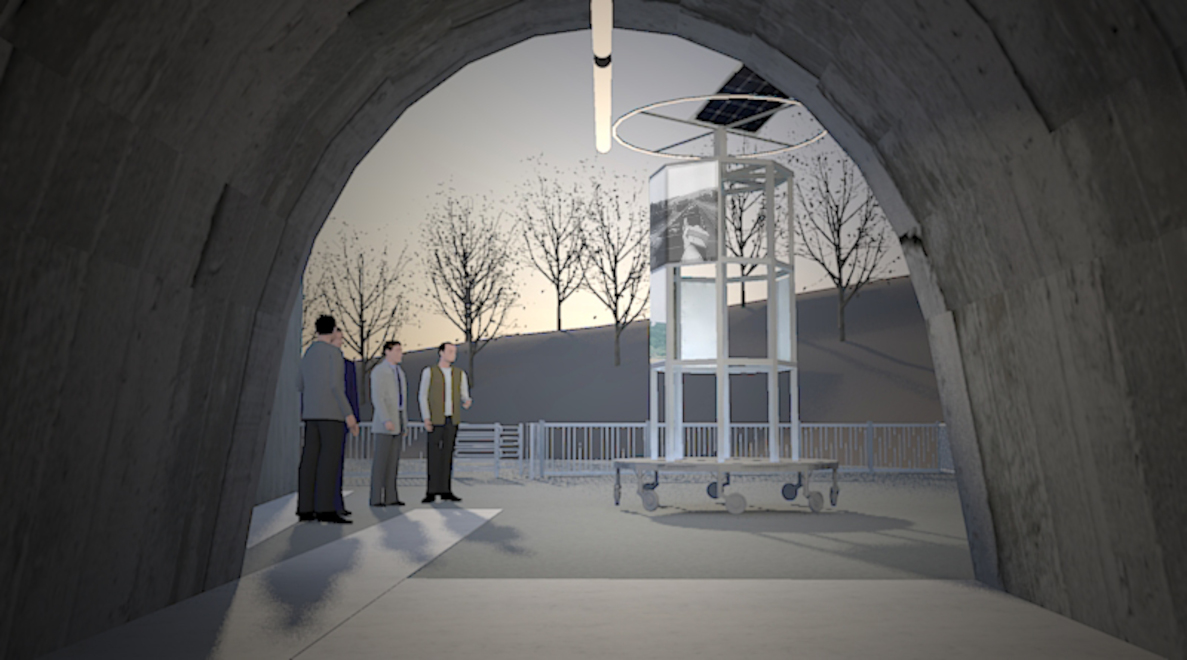
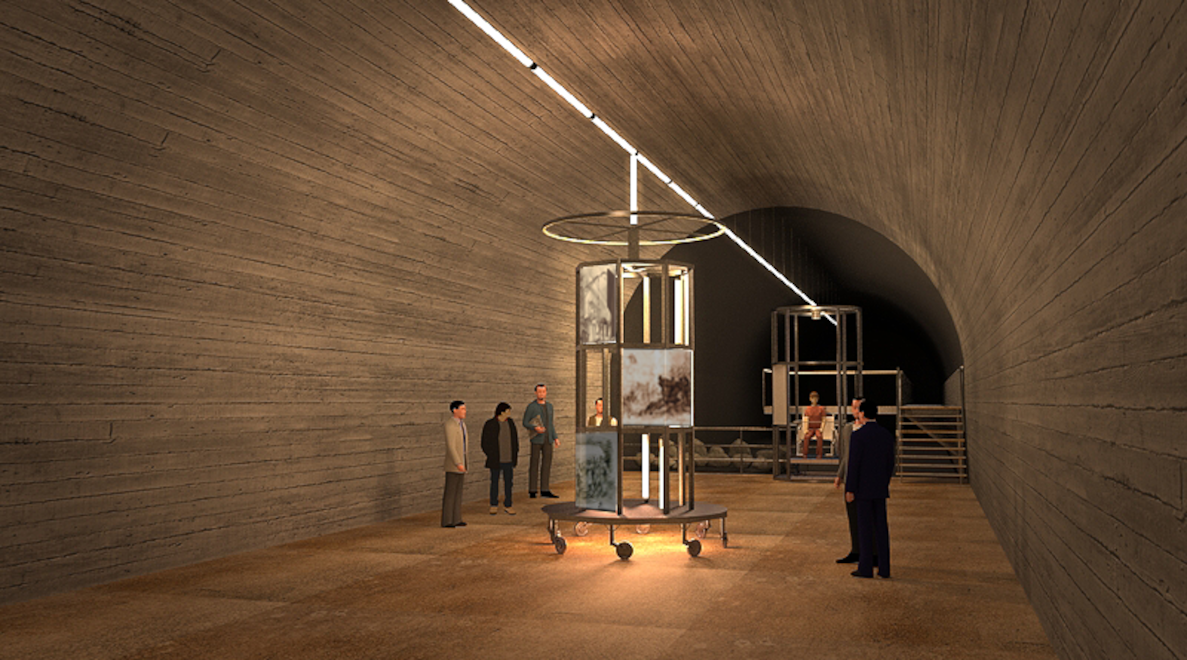
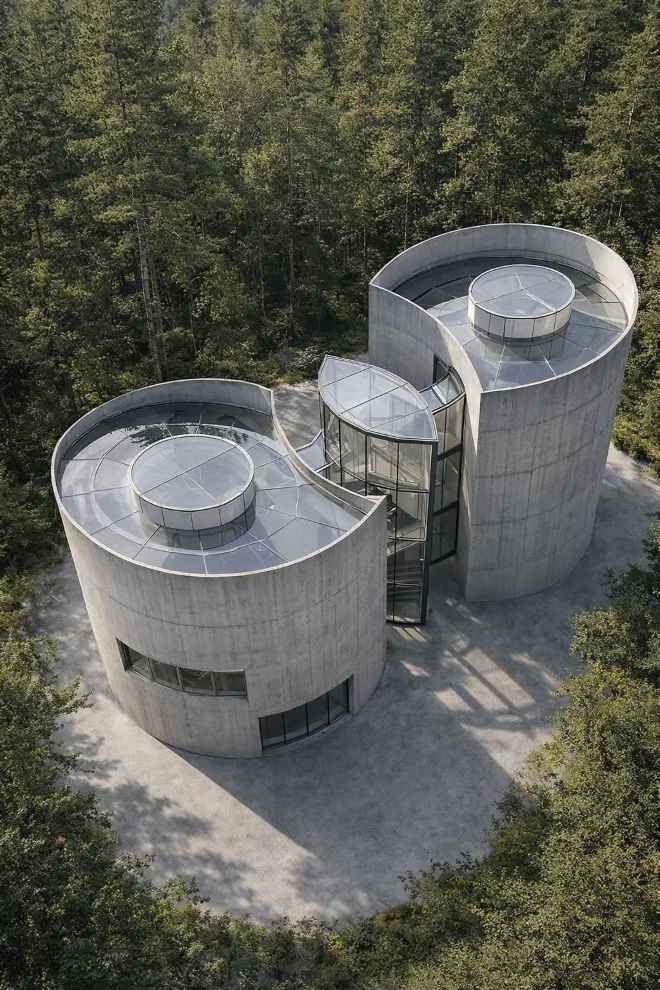
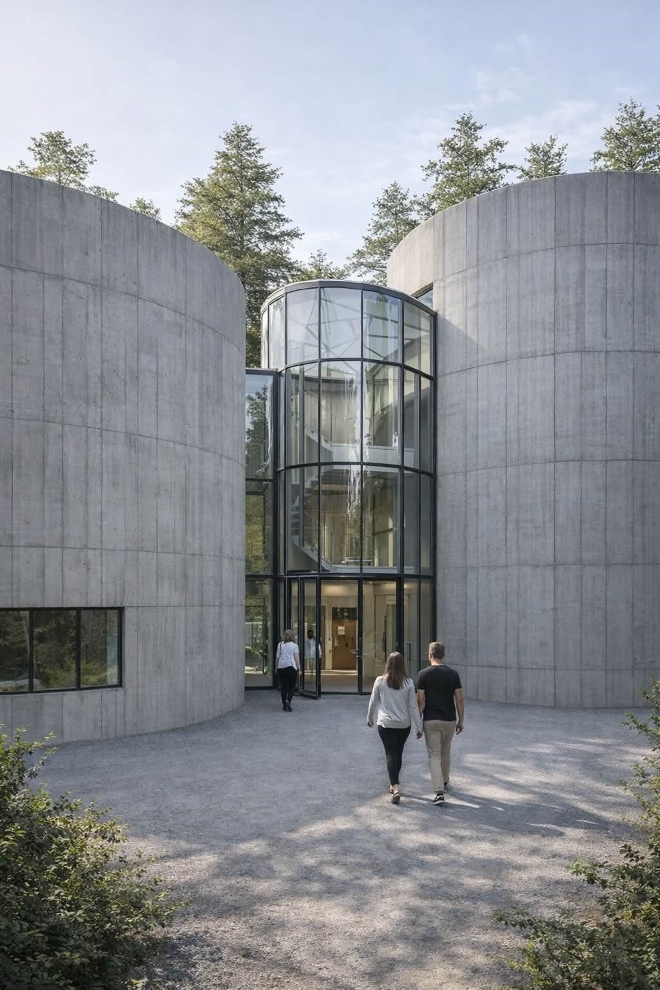
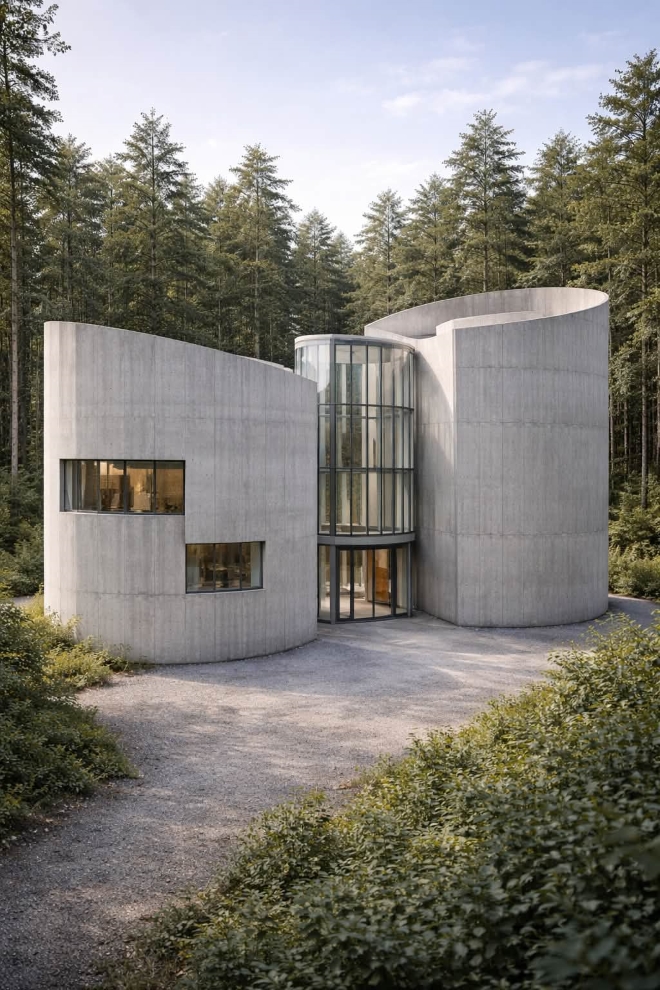
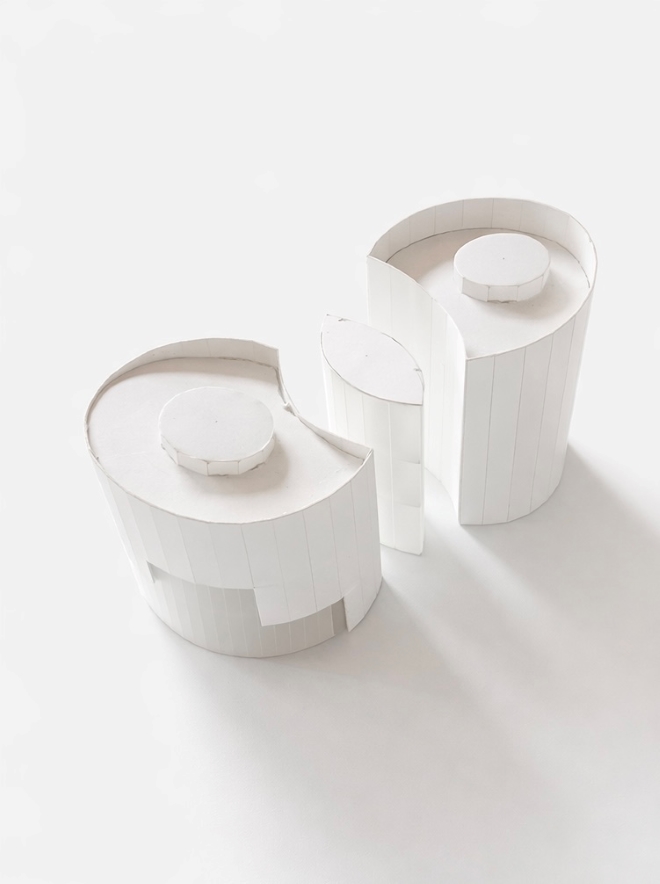
On the “Island of Remembrance”, two cylindrical buildings stand as calm yet striking figures in the landscape. Already visible from the road, they appear like a spatial exclamation mark: unfamiliar and at the same time inviting, timeless and quiet. The smaller cylinder accommodates the supporting functions of the memorial site — including the entrance to the permanent exhibition, café, cloakroom, seminar rooms, library, lecture hall and archive.

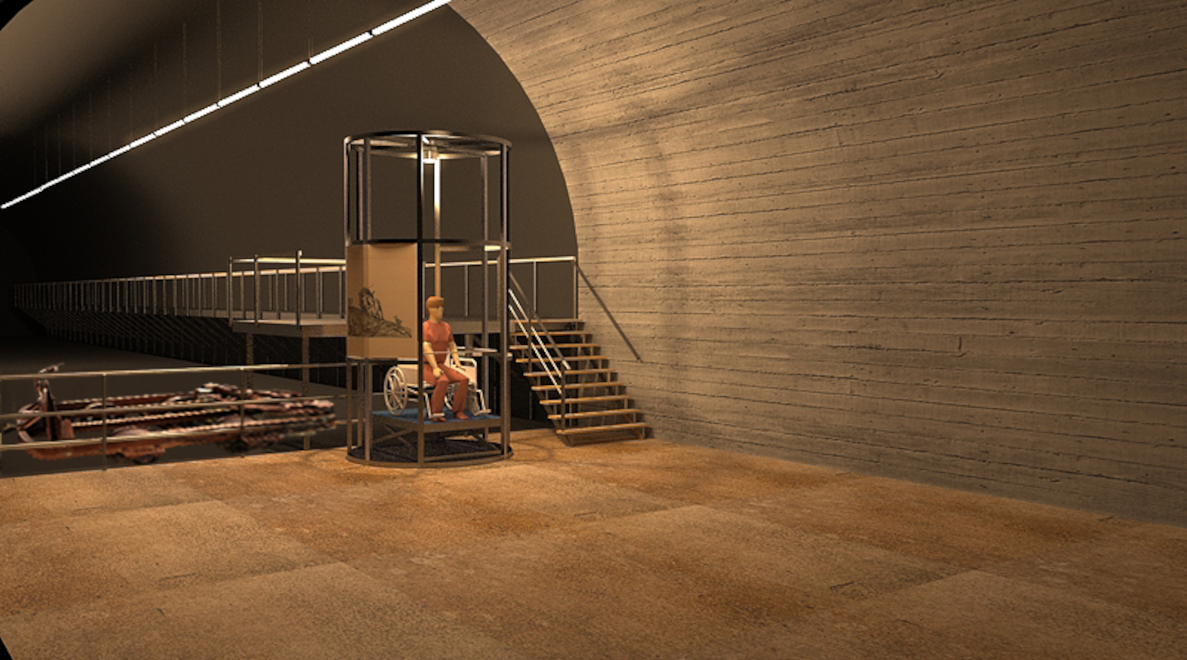
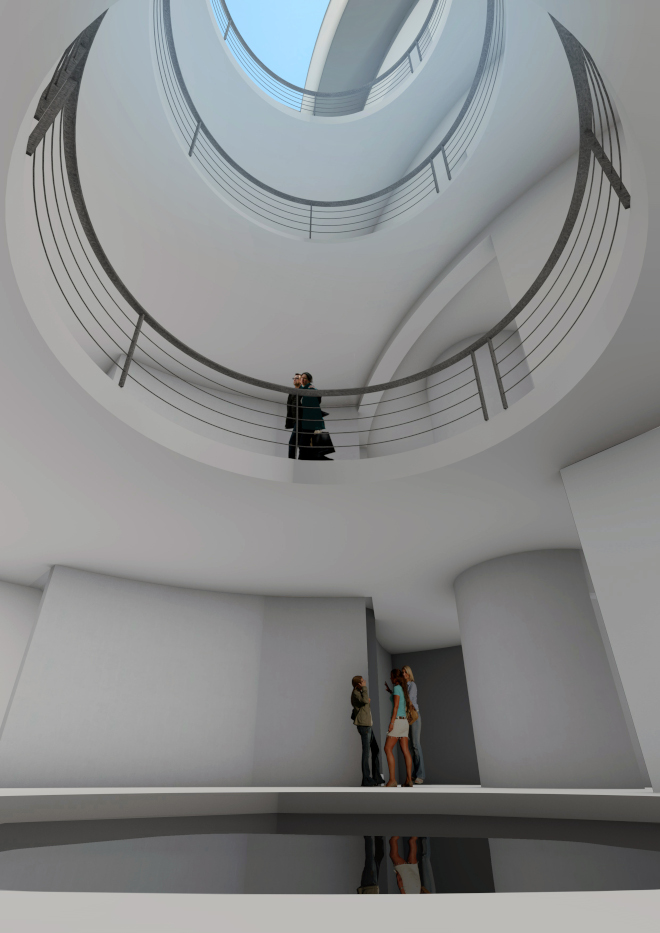
A glazed bridge leads into the second cylinder, the Void of Remembrance. Here, light enters the space from above. The gaze is drawn first to the water in the floor and then upwards through the levels to the open glass roof, beyond which only the sky is visible. Display boxes and columns tell the story of the site. On special occasions, the silent space becomes a resonant setting for music, memory and the present moment.

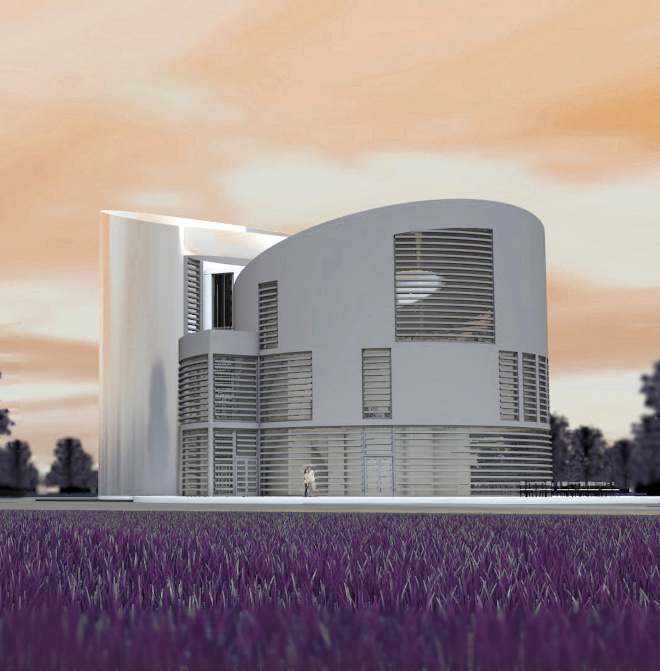
The “Island of Hope” complements this place as an area for encounter, communication and education. The Maison Olivier Messiaen offers space for creativity, retreat and shelter, while the theatre building is designed for events, theatre, cinema and concerts.

O’Brien’s design creates an ensemble that understands remembrance not as a closed chapter, but as a living process: history is preserved, questioned and carried forward into the future through cultural activity.

Services: HOAI work phases 1–3, basic evaluation, preliminary design, design, 2009–2012
Promoter and client: Meetingpoint Music Messiaen e.V., Görlitz
Building owner: Fundacja Centrum Wspierania Przedsiębiorczości w Zgorzelec

Upper Market Freiberg

Lighting of Upper Market Freiberg

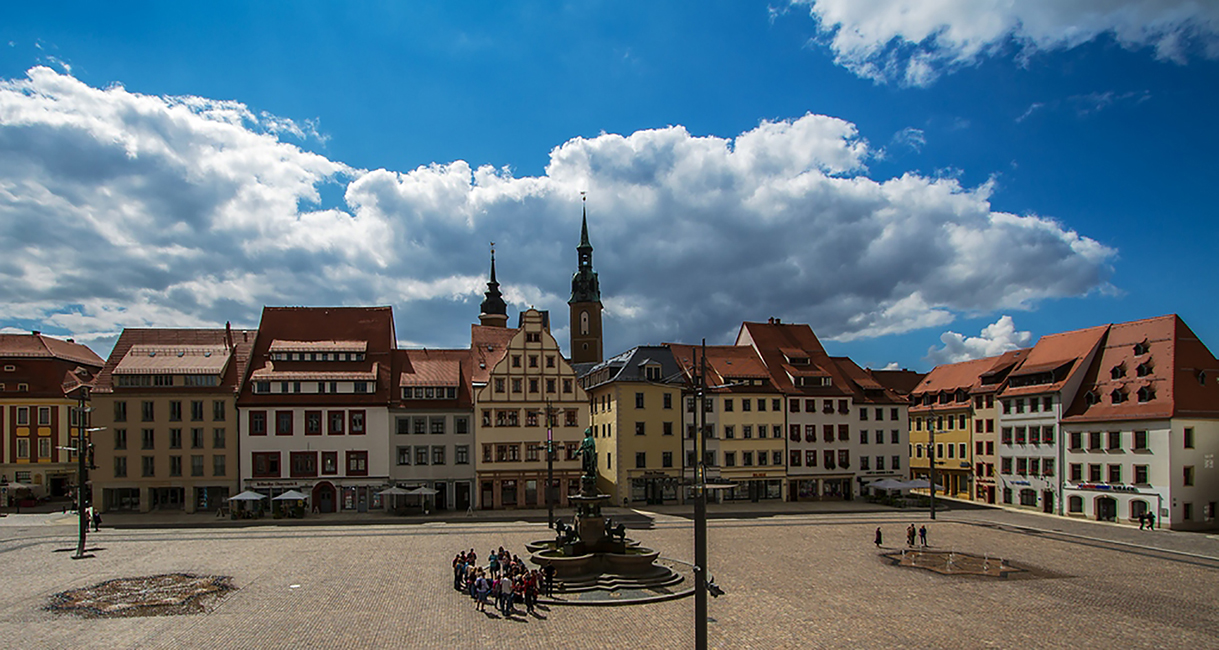
Marketplace lighting, unique luminaires, town hall facade, Otto fountain, water features, seating furniture

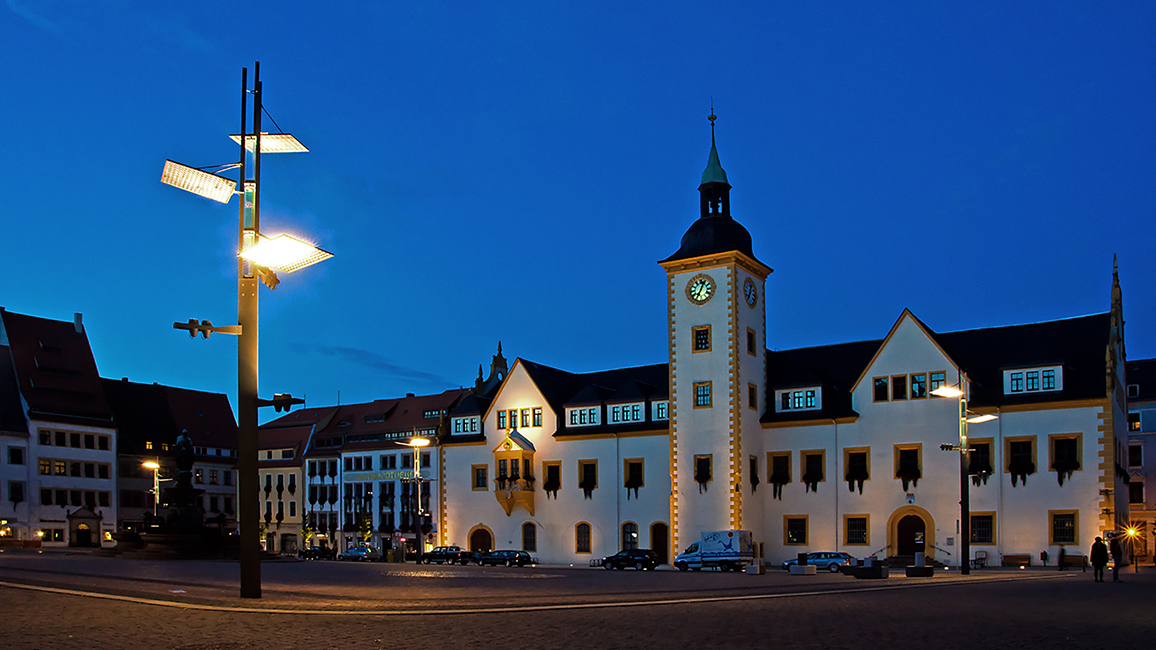
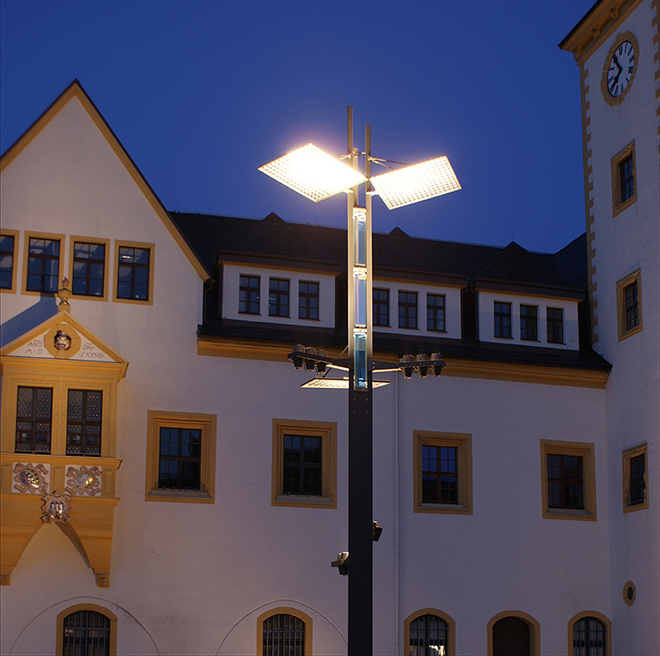
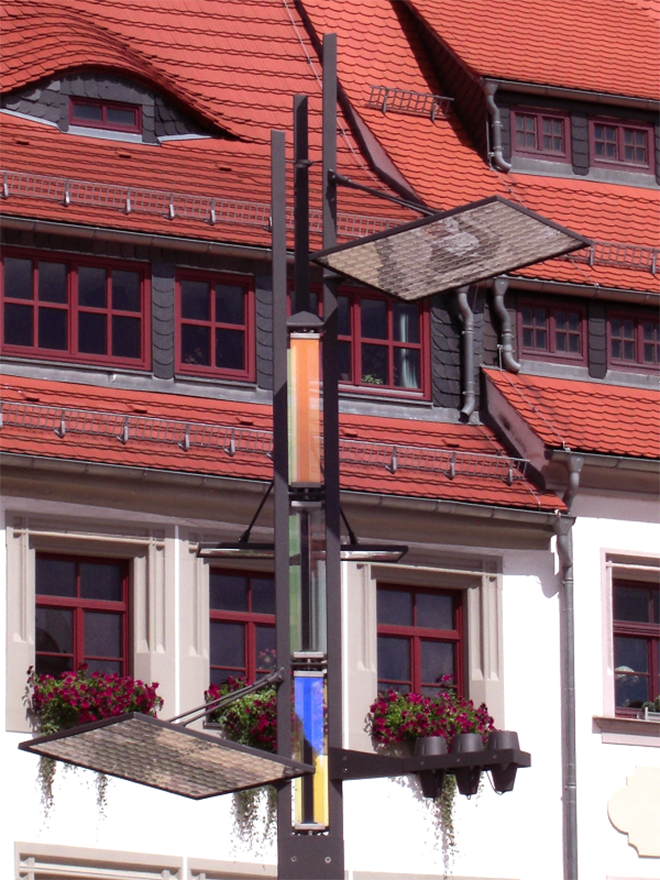
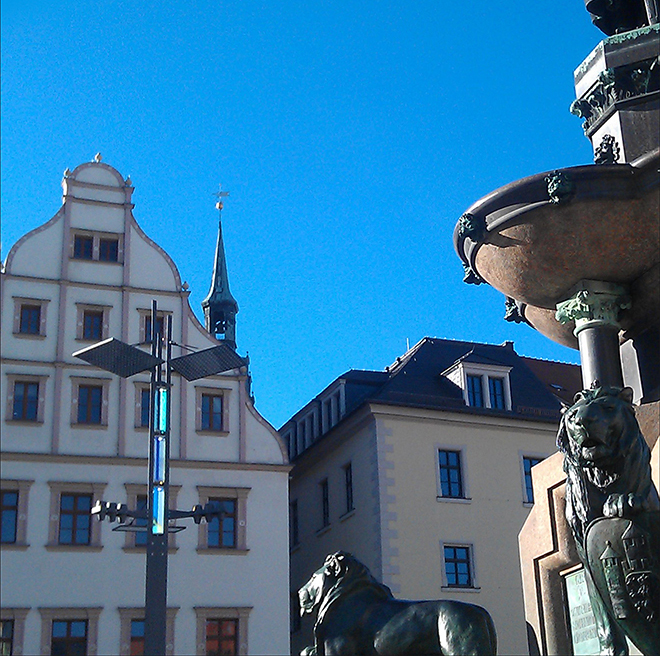
The new marketplace lighting in Freiberg broke new ground in urban lighting design. The unique light poles, specially designed for the historic Upper market Freiberg, combine their duality of a technically functional object with the artistic light sculpture.

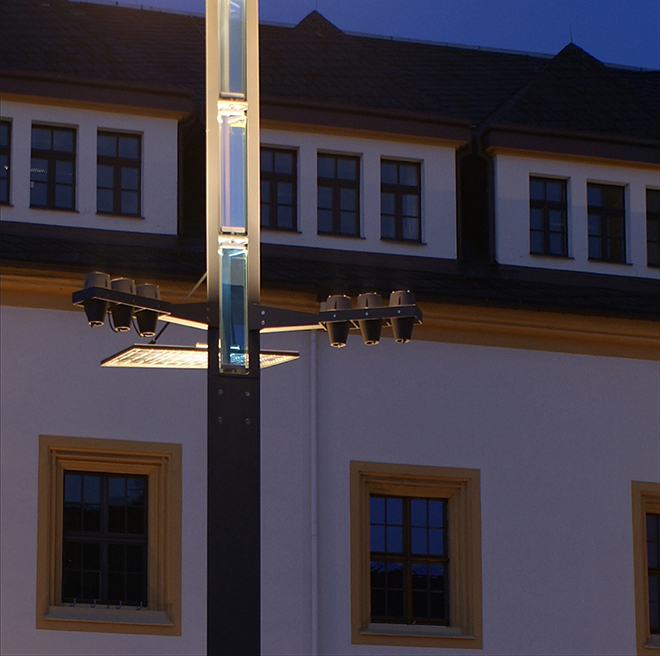
Innovative technology meets contemporary architecture, art meets science. In addition to illuminating the marketplace in the evening, the light poles (reflector system) can also be individually controlled or dimmed depending on the need for use in the public space. During the day, dichroic glasses in the upper mast take part in a solar geometric interaction with the sun, immersing the marketplace in a subtle, vibrant play of colors. The light-architectural work of art tailor-made for the historic upper market is completed by the illumination of the historic Otto fountain, the listed façade of the town hall as well as the water features and the unique granite seating furniture, also designed for the Upper market, which invites visitors to remain in the prestigious market square.

The lighting of the upper market Freiberg was nominated for Elisa – the Energy Efficiency Award of Saxony 2014. With the nomination, the lighting of the Upper market Freiberg was distinguished by the expert jury as a practical example and highlighted as a multipliable, proven, sustainable as well as efficient example from Saxony or for Saxony as a corresponding incentive for energy-efficient solutions.

Columbia Concentration Camp Memorial

Columbia Concentration Camp Memorial

Artistic-architectural concept for marking and visualizing the historical site

The Columbia concentration camp was one of the first concentration camps at the time of the National Socialists and was located at the northern edge of the Berlin Tempelhof airport site, with whose construction it was demolished.

With the aim of making the building and this part of German history perceptible again in the public space, the “Topography of Terror” Foundation organized a design competition to which Ruairí O’Brien was invited to submit a proposal.

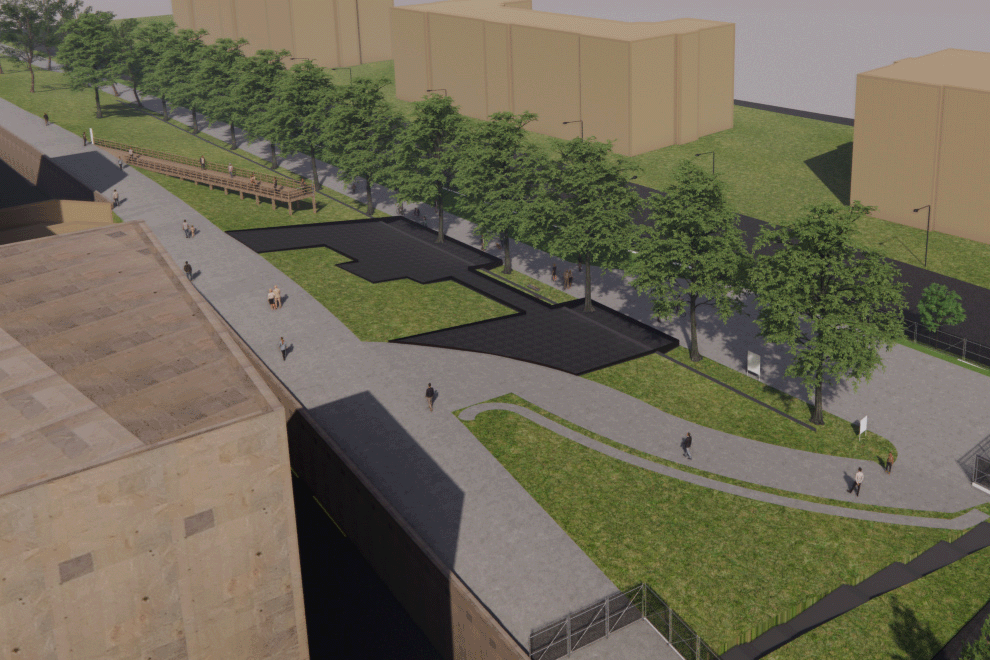
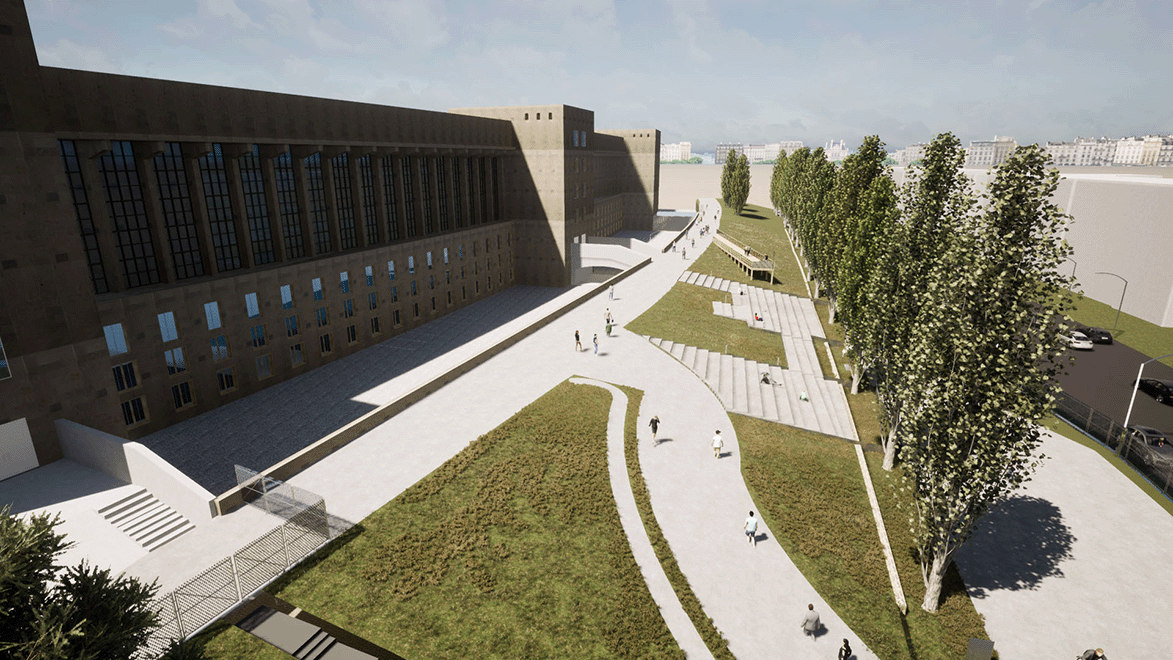
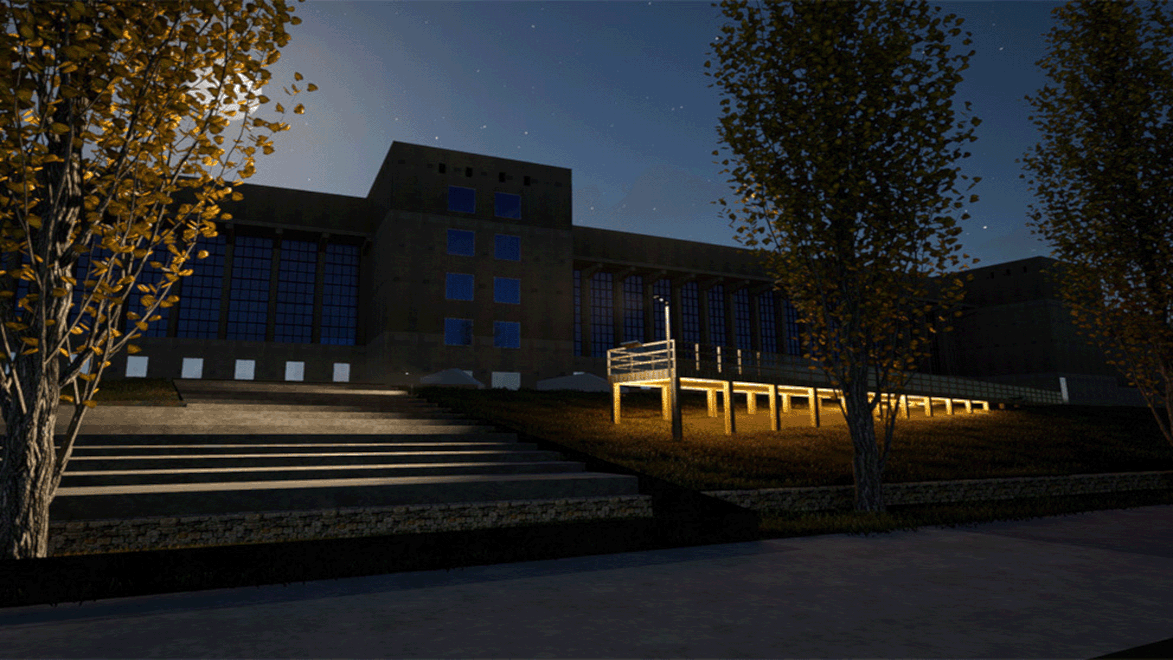
Our concept, which is in line with the preservation order and barrier-free, is purposefully kept simple. A band of Corten steel is used to mark the footprint and volume of the disappeared building in parts on the original site.

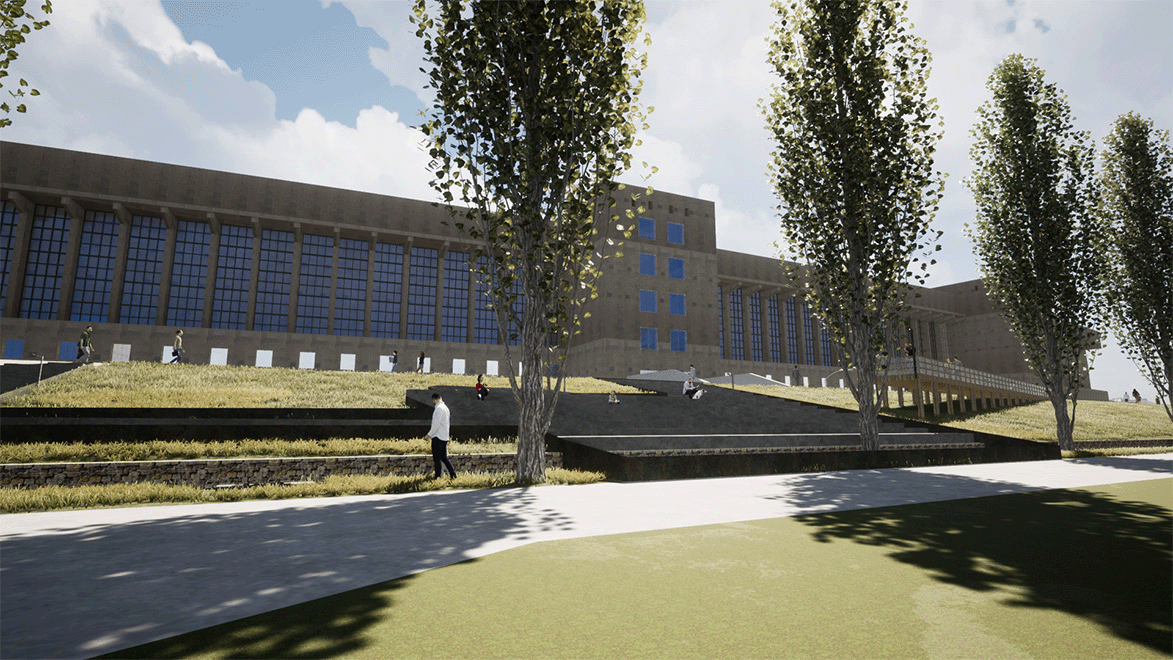
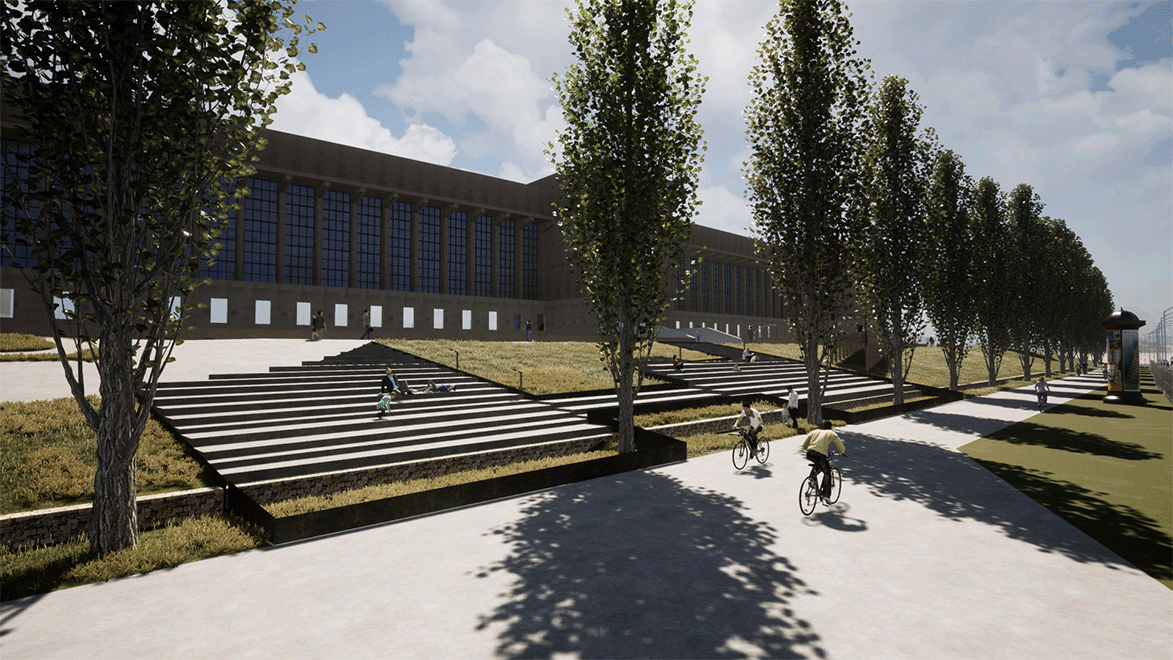
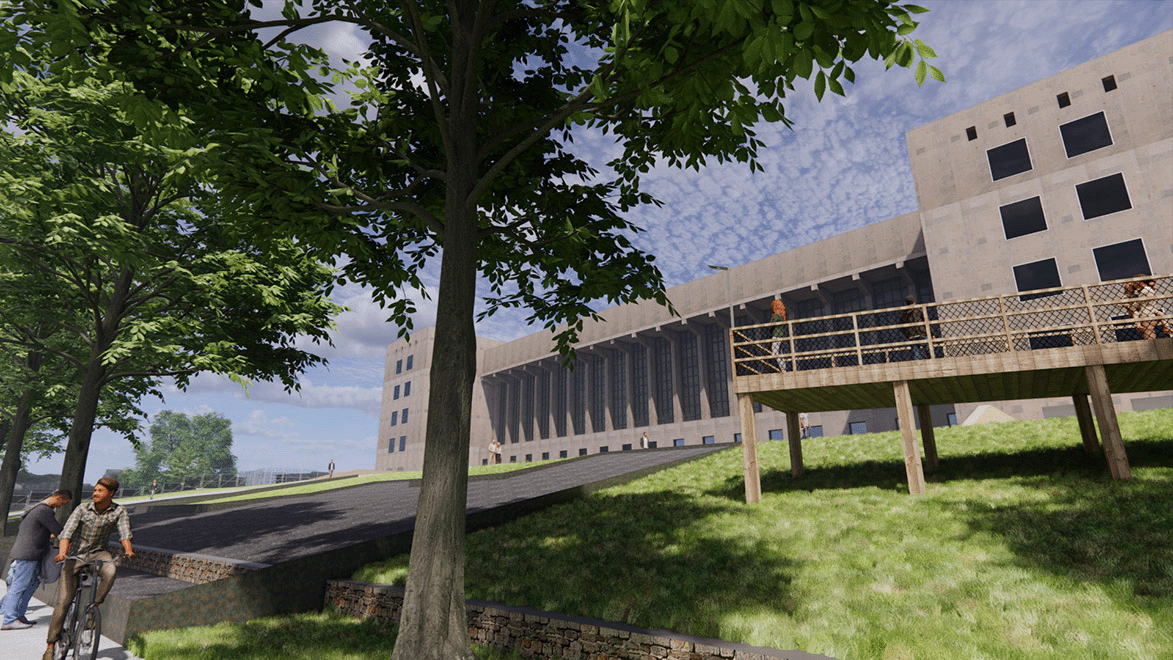
The entire area can thus be experienced in a multi-layered way. Through the prominent bridge and the large gravel surfaces, the area can be perceived on different levels. As the viewer moves, his perspective changes, creating new spaces for thought. At the same time, the footbridge is a signal with a long-distance effect that provides a distinctive reference to the memorial site and also offers the possibility of accessing the entire site.

Sponsor: Topography of Terror Foundation

Project partner: Slapa und die Raumplaner

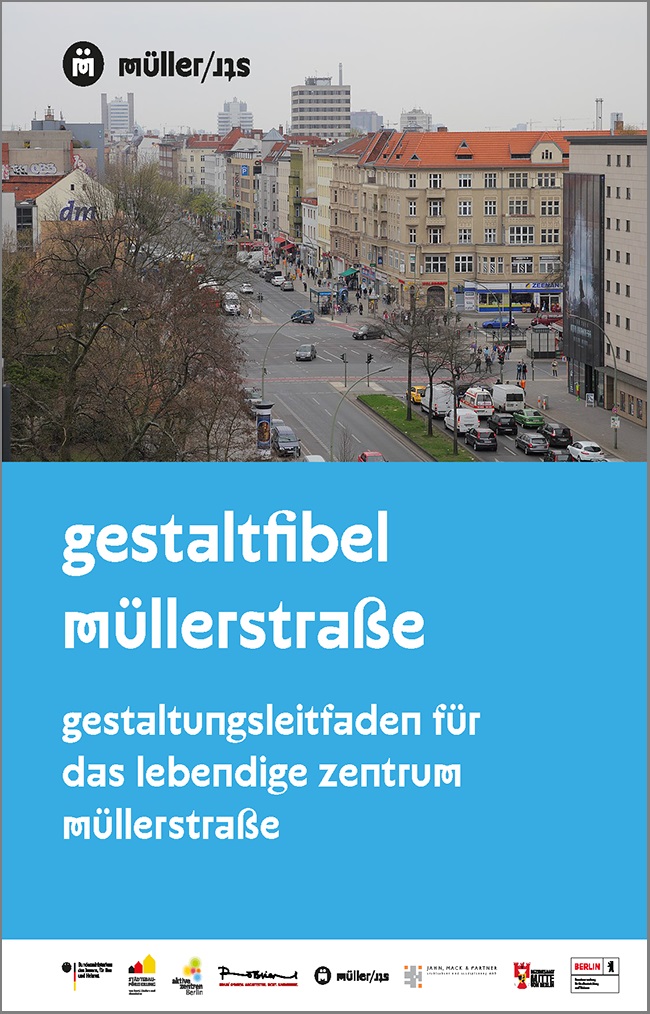
Design Guide Muellerstraße Berlin

Design Guide Muellerstraße Berlin

Design Guidelines for the Living Center Muellerstraße

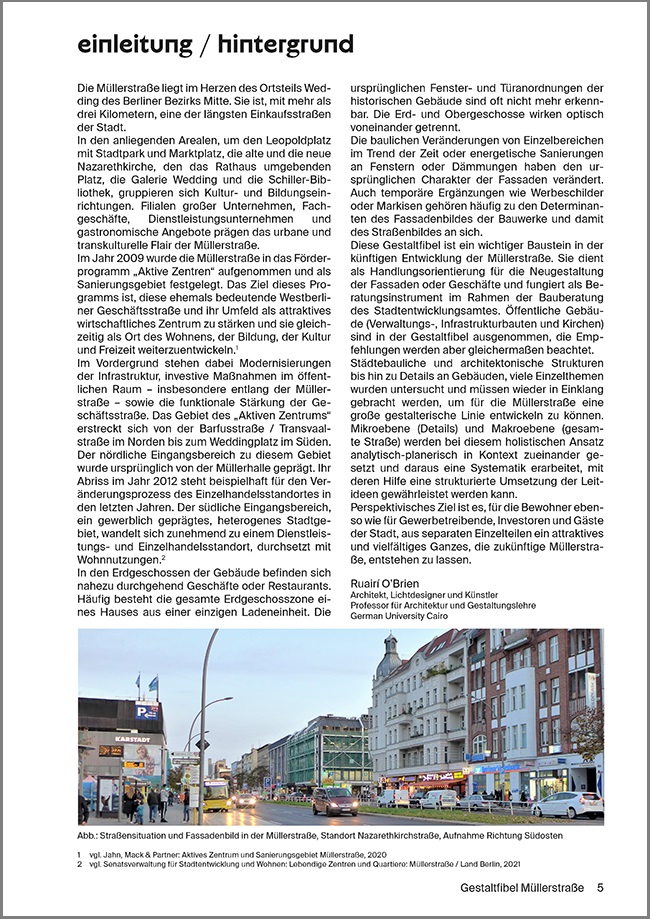
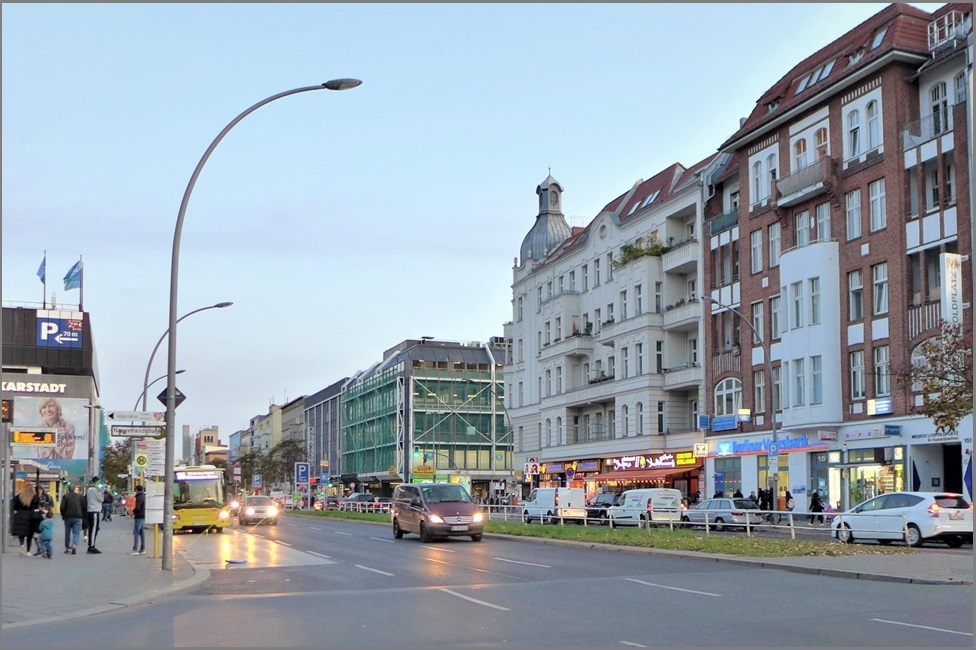
Muellerstraße is located in the heart of the Wedding district of Berlin’s Mitte district. It is, with more than three kilometers, one of the longest shopping streets of the city.

Cultural and educational institutions are grouped in the adjacent areas. Branches of large companies, specialty stores, service companies and gastronomic offerings characterize the urban and transcultural flair of Muellerstraße. The first floors of the buildings are almost always occupied by stores or restaurants. Often, the entire first floor zone of a building consists of a single store unit.

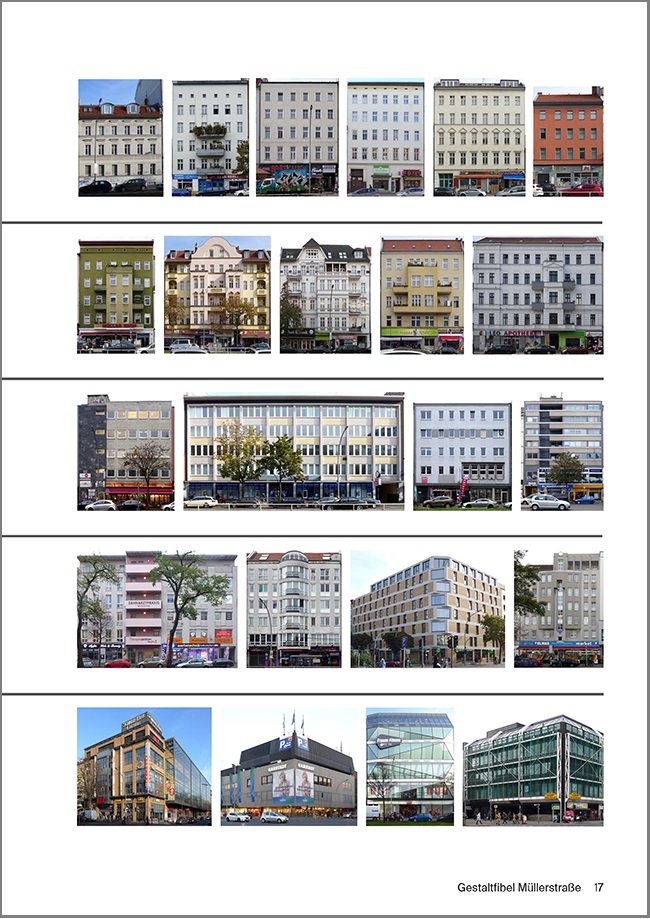
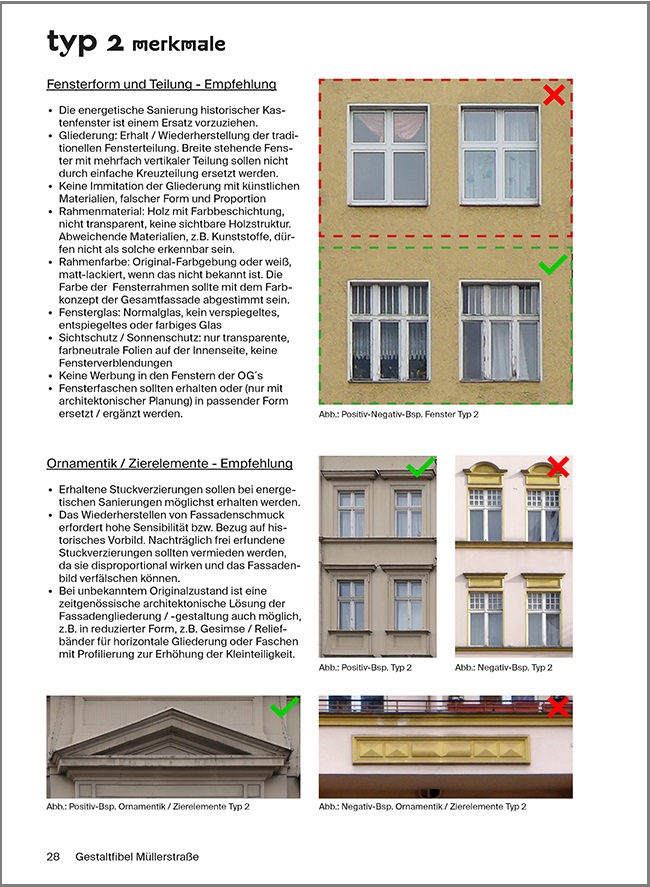
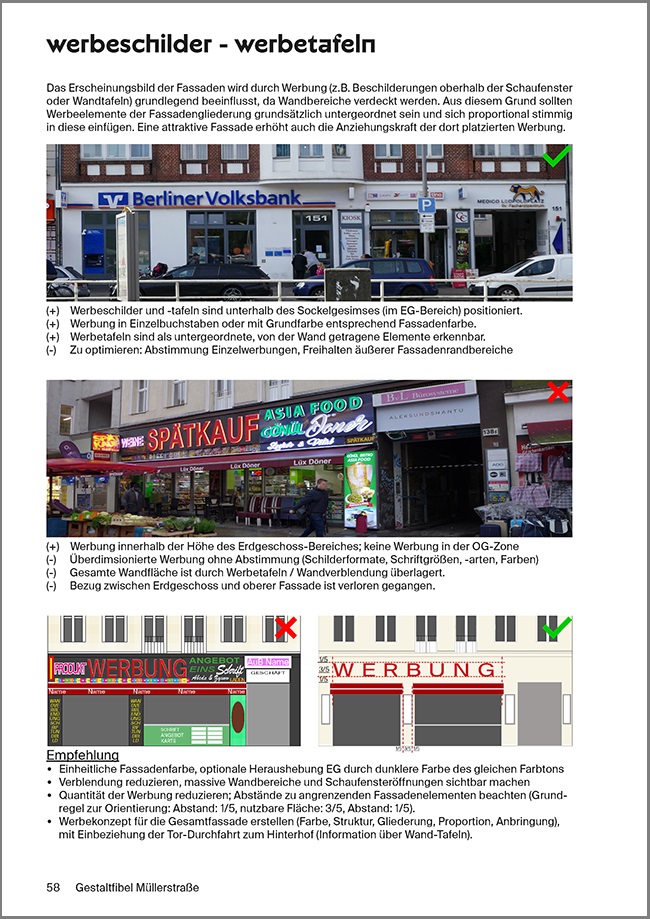
The original window and door arrangements of the historic buildings are often no longer recognizable. Structural changes to individual areas in keeping with the trend of the times or energy-related renovations have altered the original character of the facades. Temporary additions such as advertising signs or awnings are also often part of the determinants of the facade appearance of the structures and thus the streetscape itself.

This design guide is an important building block in the future development of Muellerstrasse. It serves as a guideline for action in the redesign of facades or stores and functions as an advisory tool within the framework of the building consultation of the urban development office.

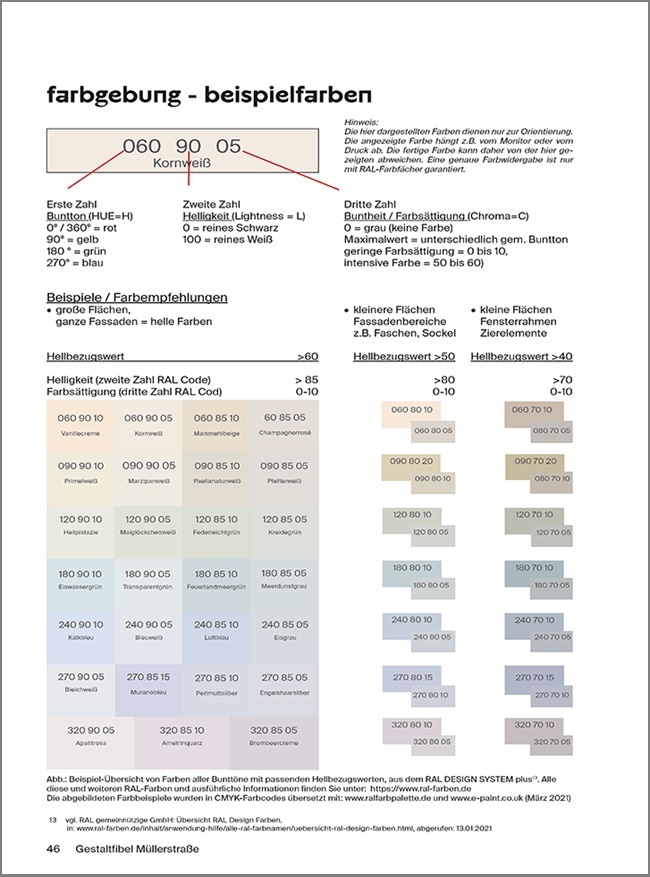
Everything from urban planning and architectural structures to details on buildings and light and lighting topics, such as advertising signs, window or color design were essential contents of our investigation and must be brought back into harmony in order to be able to develop a great design line for Muellerstraße. In this holistic approach, the micro level (details) and the macro level (the entire street) are placed in context with each other in an analytical-planning manner, and a system is developed from this, with the help of which a structured implementation of the guiding ideas can be guaranteed.

The design guide can be downloaded here.

House Bramsch

House Bramsch

Individual single-family house / architect’s house

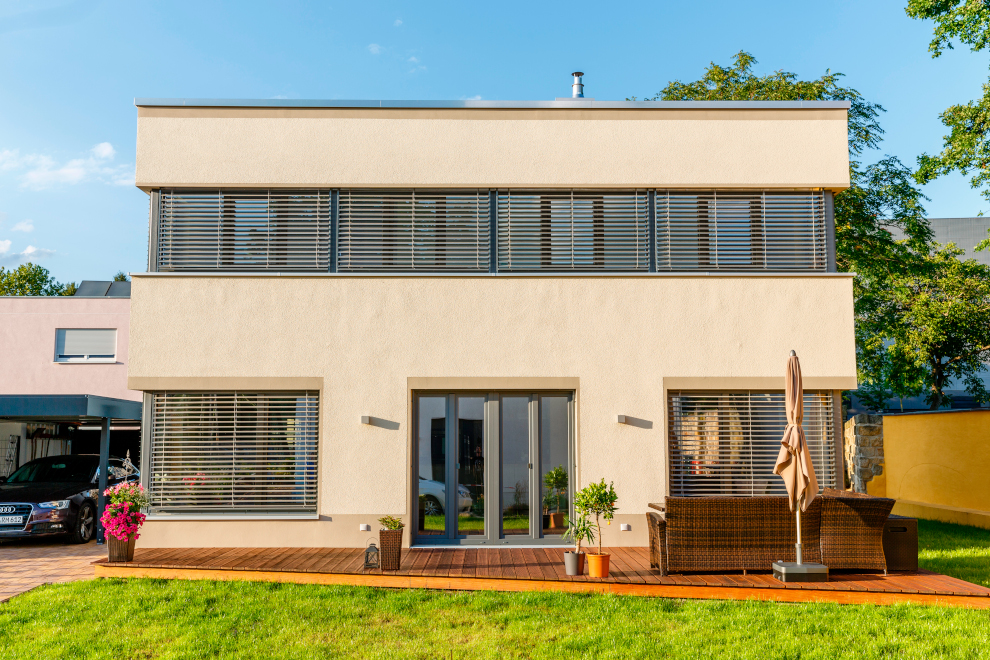
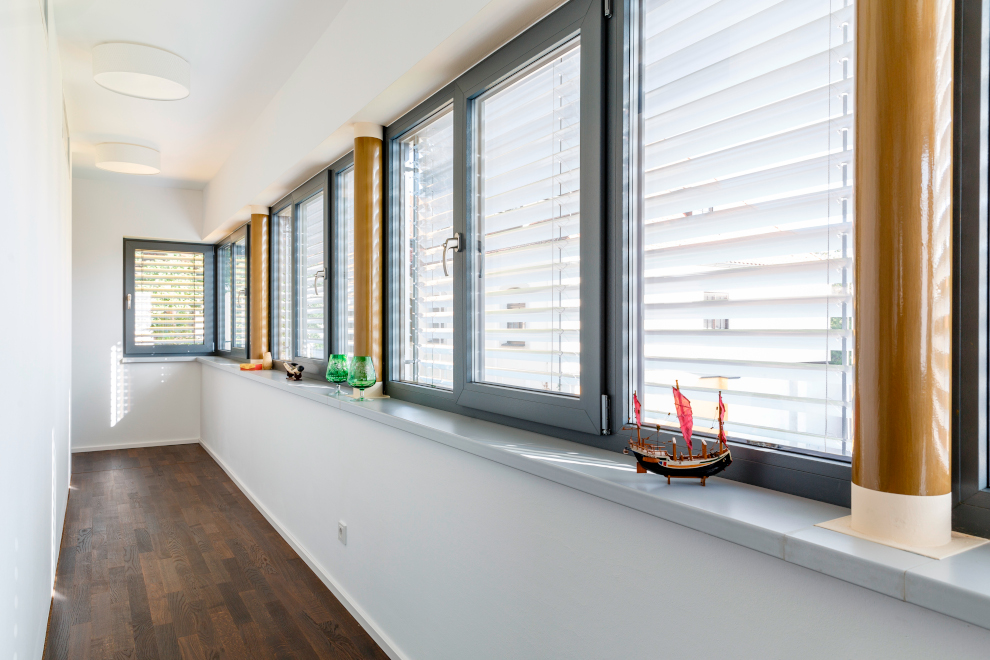
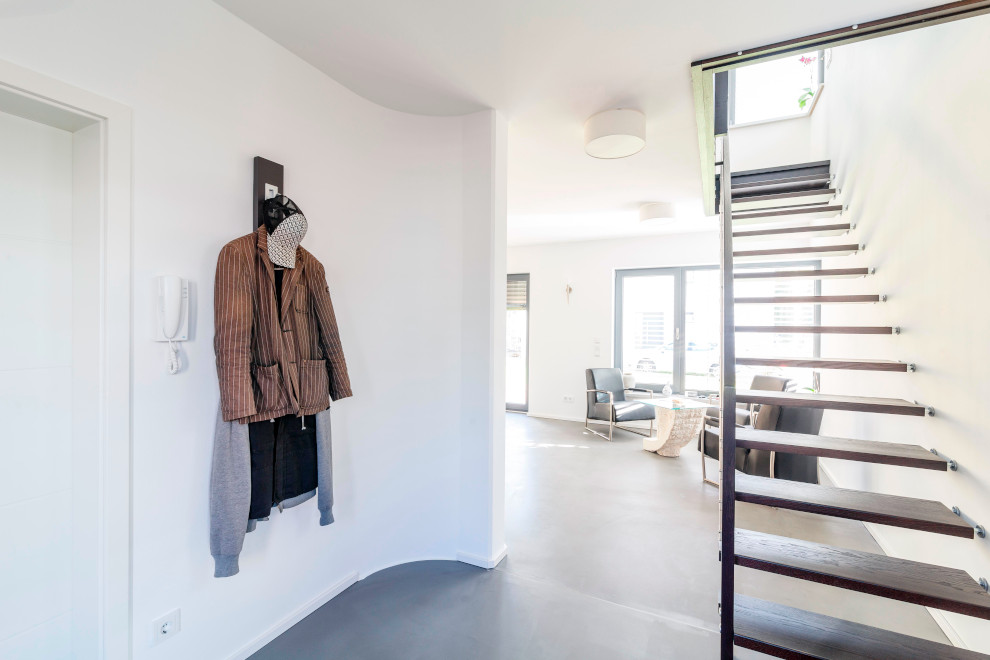
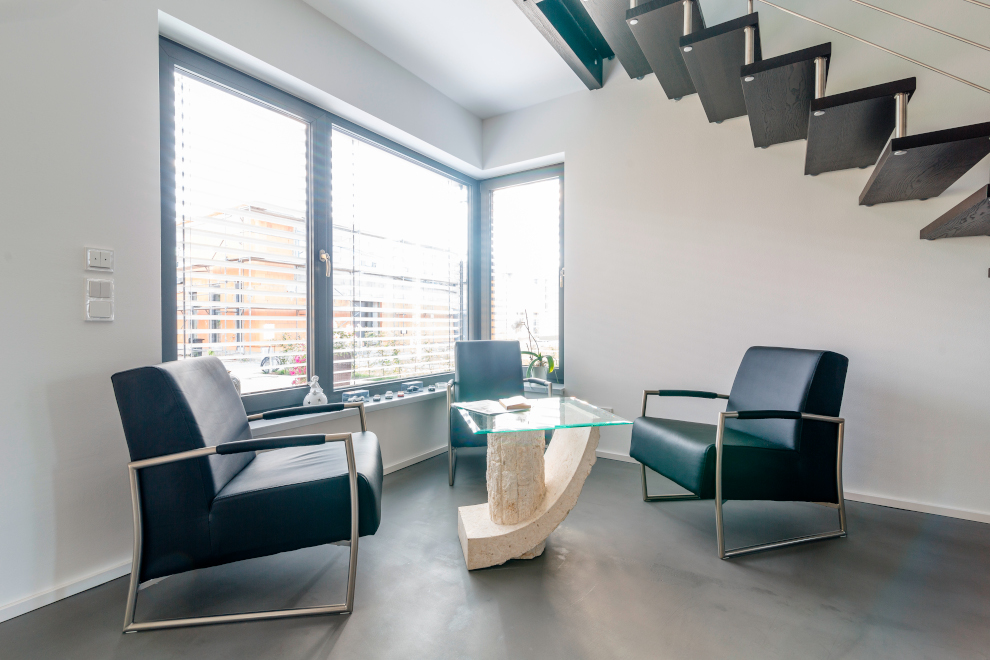
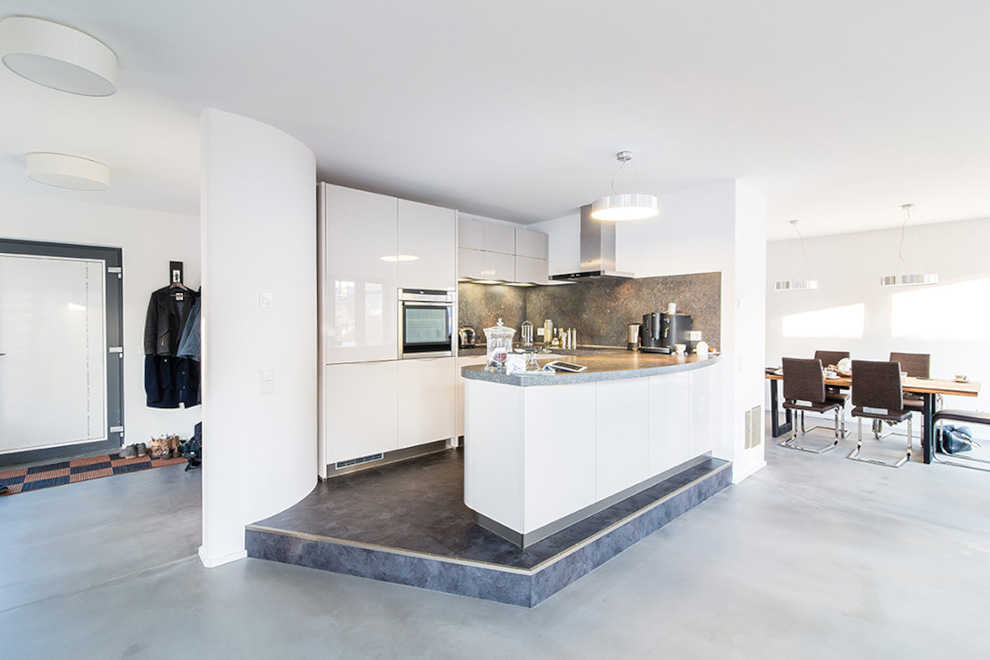
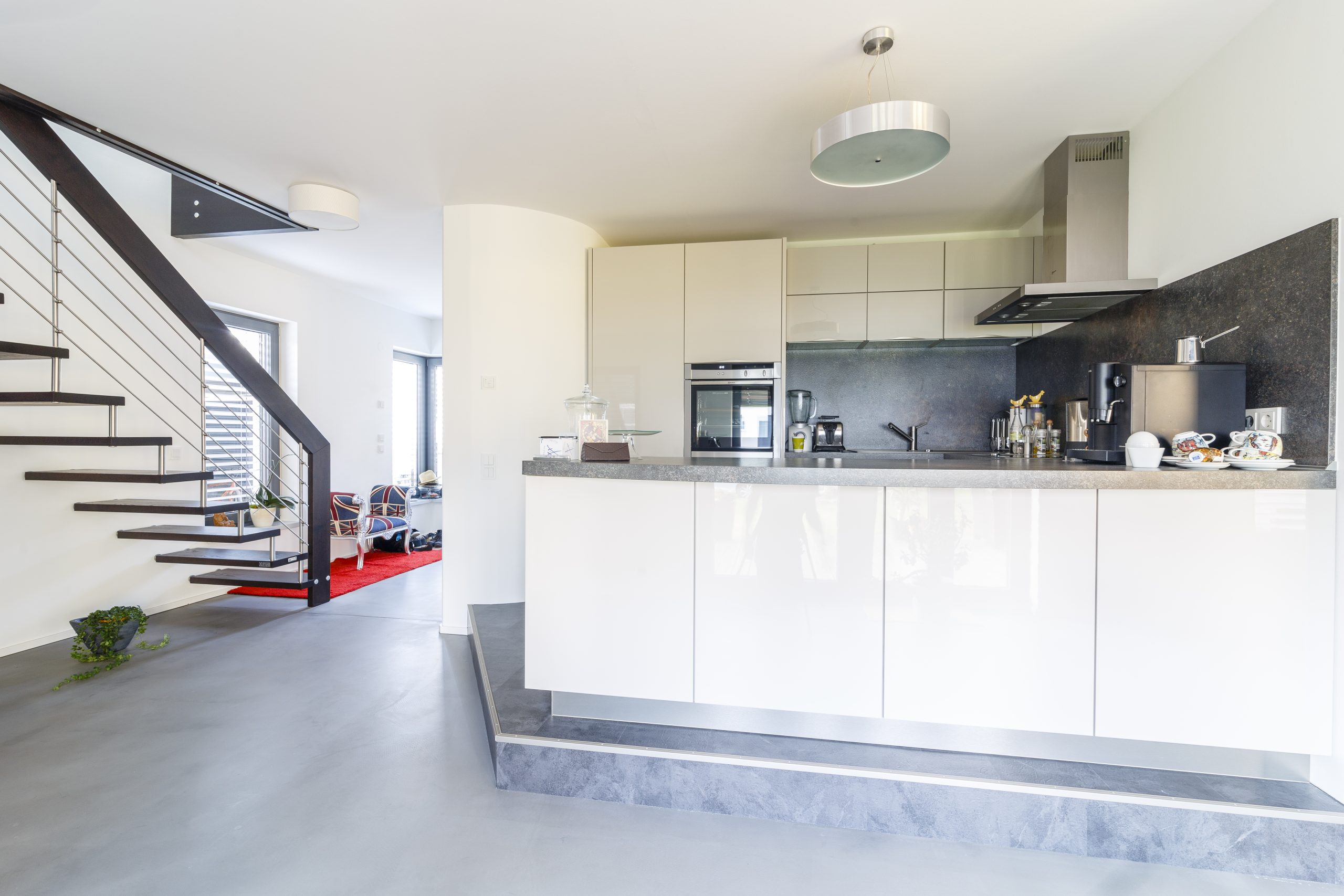
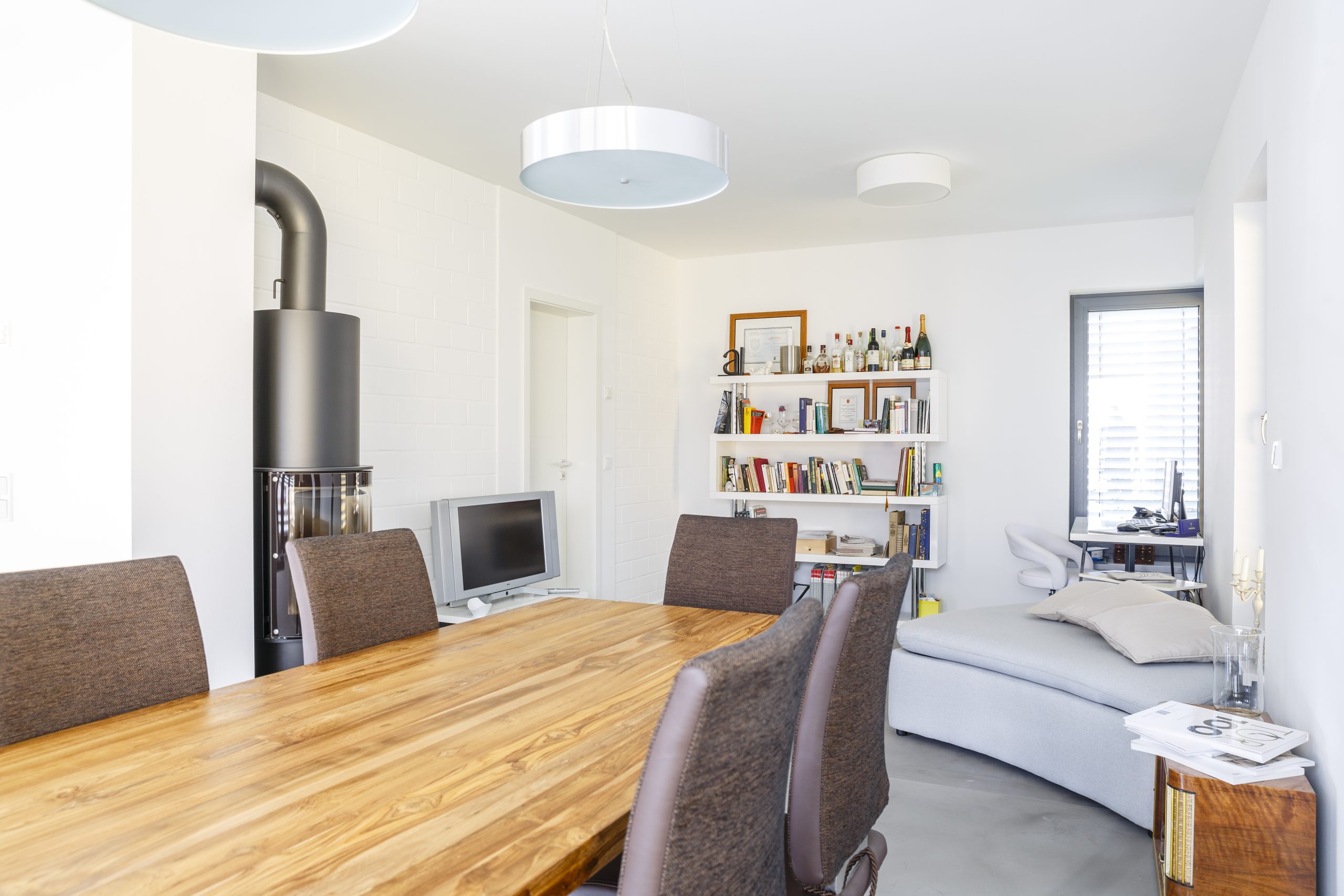
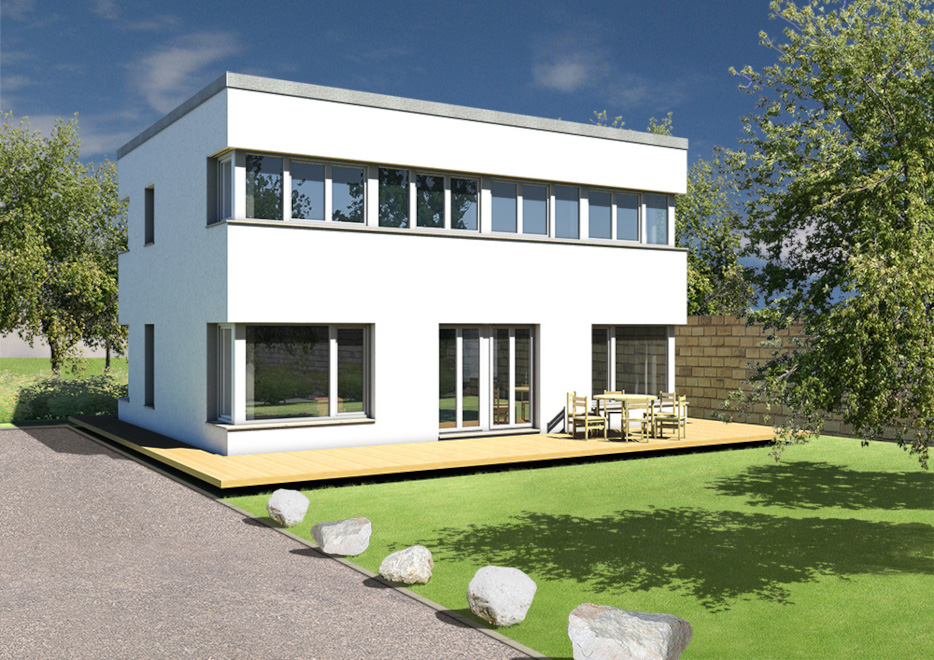
Haus Bramsch is a distinctive architect-designed house in the classic modern architectural tradition, whose architecture brings together the individual habits, desires, preferences and lifestyles of the owners in a harmoniously elegant design. House Bramsch is planned in advance as a flexible, open or closed living concept and is thus also compatible with future changes in the needs and living situations of its residents.

Living space: 120m²

Services: HOAI Lph 1-8

Client: private

House 62

University Hospital Dresden, House 62

Redesign of the Corridor Areas, Lighting and Color Concept

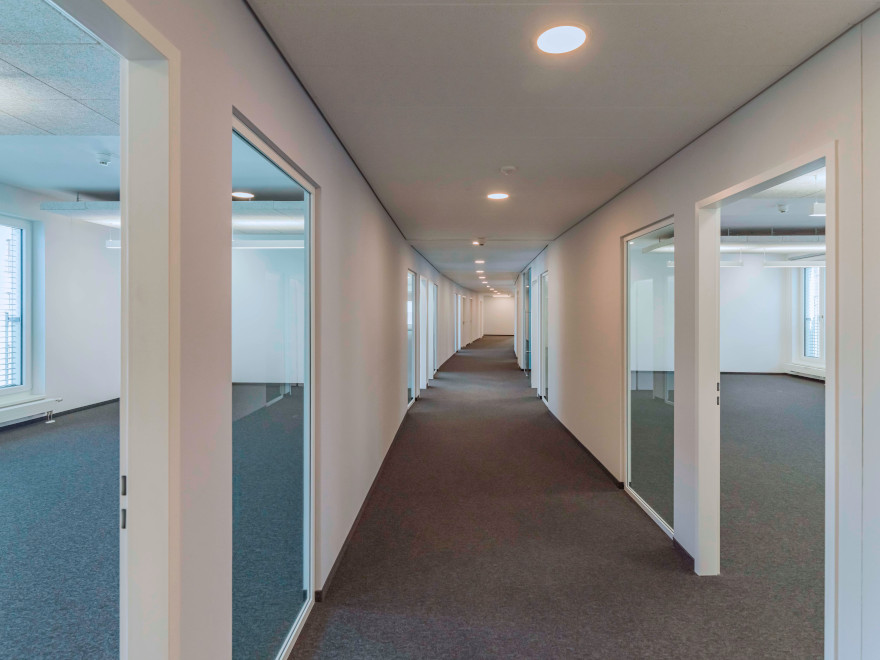
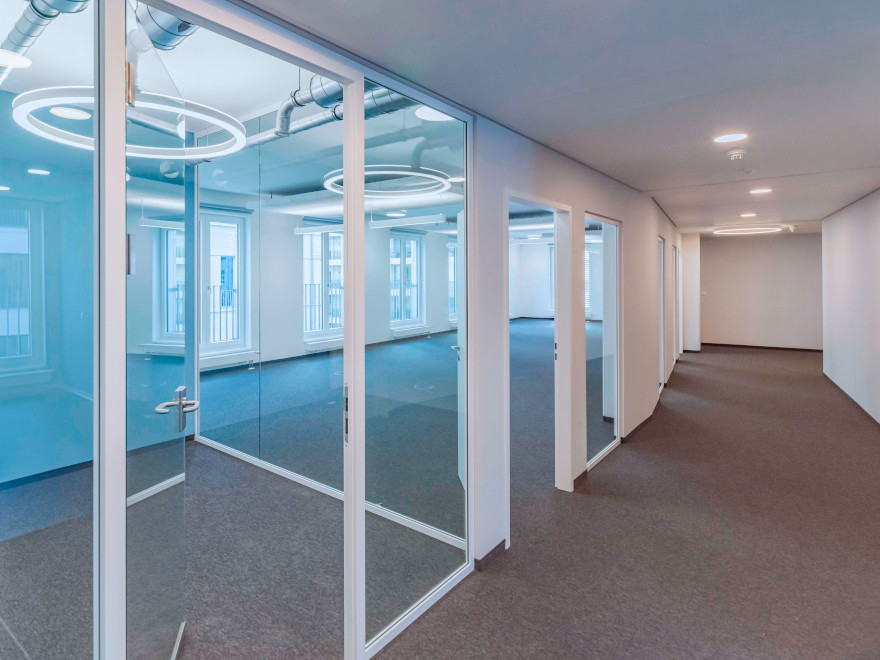
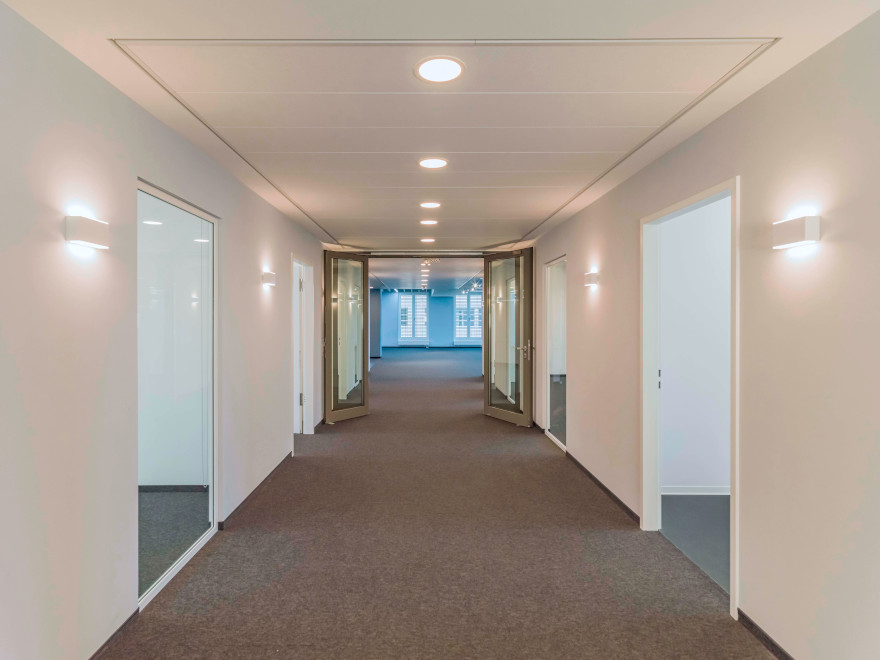
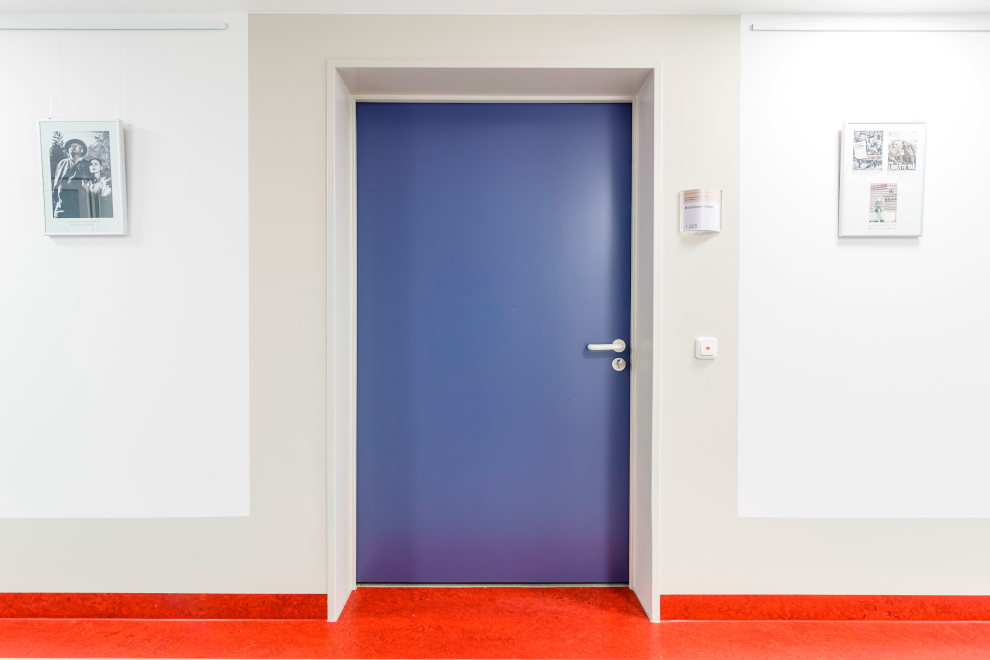
On behalf of the University Hospital Dresden, we developed and implemented a redesign of the corridor area in accordance with current usage requirements in parallel with the planning of structural fire protection measures. The false ceiling and the floor were renewed, and interior walls were partially modified. An attractive color and lighting concept was developed in line with the corporate design. The positioning of the luminaires visually expands the corridor and also illuminates the exhibition design within the wall area.

Microlight Sculpture

Microlight Sculpture

The Erich Kaestner House of Literature, Dresden

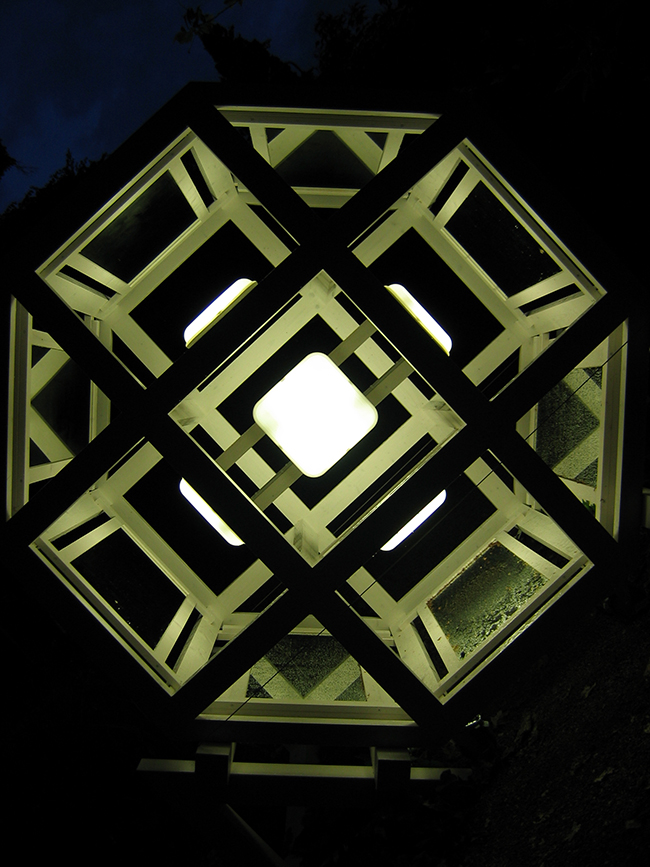
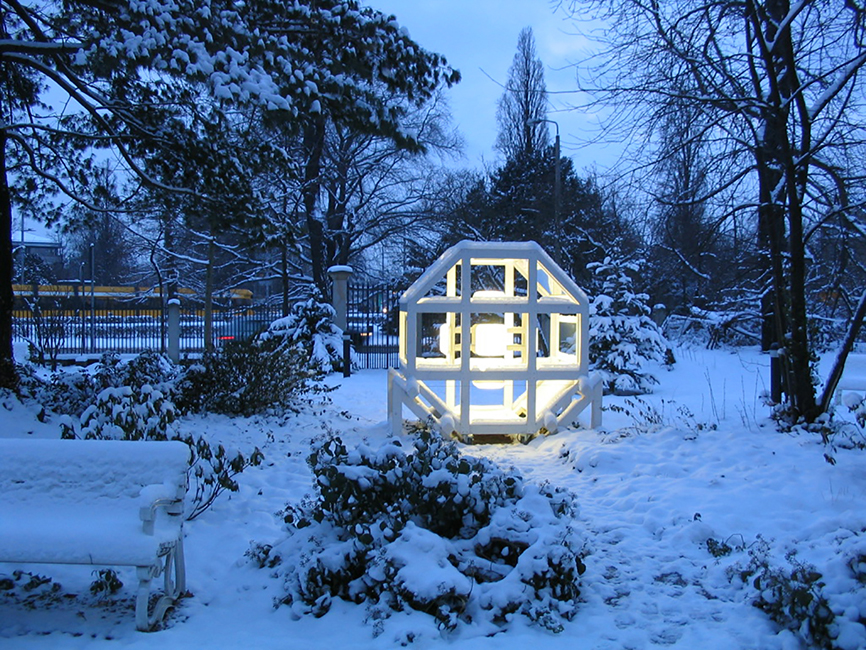
The octagonal prism of the micro light sculpture, a homage to the Danish poet Inger Christensen, symbolizes with its geometry the physical elements of nature: sky, earth, fire, water, wind, thunder, lake and mountain. Nuances of light and shadow, space and surface can be experienced. The multi-layered play with perspectives and the dissolution of boundaries sensitizes the viewer to an intense optical experience. The visual labyrinth of inner and outer world points to relations between micro and macro, to the polarity of unknowability and readability of art and the world. In the daylight, the object can be experienced multidimensionally in dialogue with the movement of the sun as a cast shadow, in the darkness with artificial light from the core: inside and outside, below and above are interchanged.

Mobility center Reitbahnstreet

Mobility center Reitbahnstreet

“Future traffic development is an important topic for architects. That’s why the study of the mobility center for Dresden’s city center is not about a parking garage in the traditional sense, but rather about flexible architecture for an innovative, future-oriented mobility concept.” Ruairí O’Brien With the concept we are in line with the medium- to long-term mobility development, in which the use of the automobile is only one option among many alternatives. The central location in the city center and the proximity to the main train station enables different mobility approaches to be linked in an innovative mobility hub (electric mobility, bike & ride, park & ​​ride, rental stations, charging stations, rentals, etc.) and thus sustainable concepts for the city Future. An innovative, adaptable and evolving architectural concept was developed to take into account the future development of the city and transport in the city. Transformability is a property that will be important for future architecture in general to demonstrate true sustainability. The future decline in motorized individual transport and the long-term development towards a car-free city are already conceptually integrated here and the conversion of the building to benefit other uses, such as living, working/office, trade/services, has already been planned in advance. A sensible solution should be found for the inner-city brownfield site at the back of Prager Straße, with which the existing backyard atmosphere can be improved through the urban development context of Prager Straße and other current problems in connection with the inner-city development of Dresden can be addressed – as a benefit for the city and in favor of less vacant wasteland.

Prefabricated Construction Museum “Concrete Timeline”, Dresden

Prefabricated Construction Museum “Concrete Timeline”, Dresden

Museum project on wasteland revitalization, urban and building history

The wasteland in Dresden-Johannstadt was revitalized by Ruairi O’Brien from 2002-2005 through the creation of the Prefabricated Construction Museum “Concrete Timeline”. In the micro museum for prefabricated construction, the architect thematizes diverse time periods specific to the site and its history. Likewise, universal questions from the fields of housing, culture, architecture and urban planning, art and society, which also affect future developments, are presented.
For more information on the project, click here

MDR – Bridge, Leipzig

Pedestrian and Bicycle Bridge, MDR site, Leipzig

Lighting concept for the new pedestrian bridge

The new pedestrian and bicycle bridge (KHP Leipzig / Kolb Ripke Architekten), with its restrained and elegant bridge construction, assumes an important connecting function in the development of the MDR area in Leipzig. With its simple, linear view reduced to the minimum, the bridge is integrated into the landscape in a restrained manner. This intention is supported by the discreet, calming, high-quality lighting with warm white light (color temperature 3000K).

Entry in the VOF procedure
Competition: 2015/16, 1st prize
Sponsor/Client: City of Leipzig