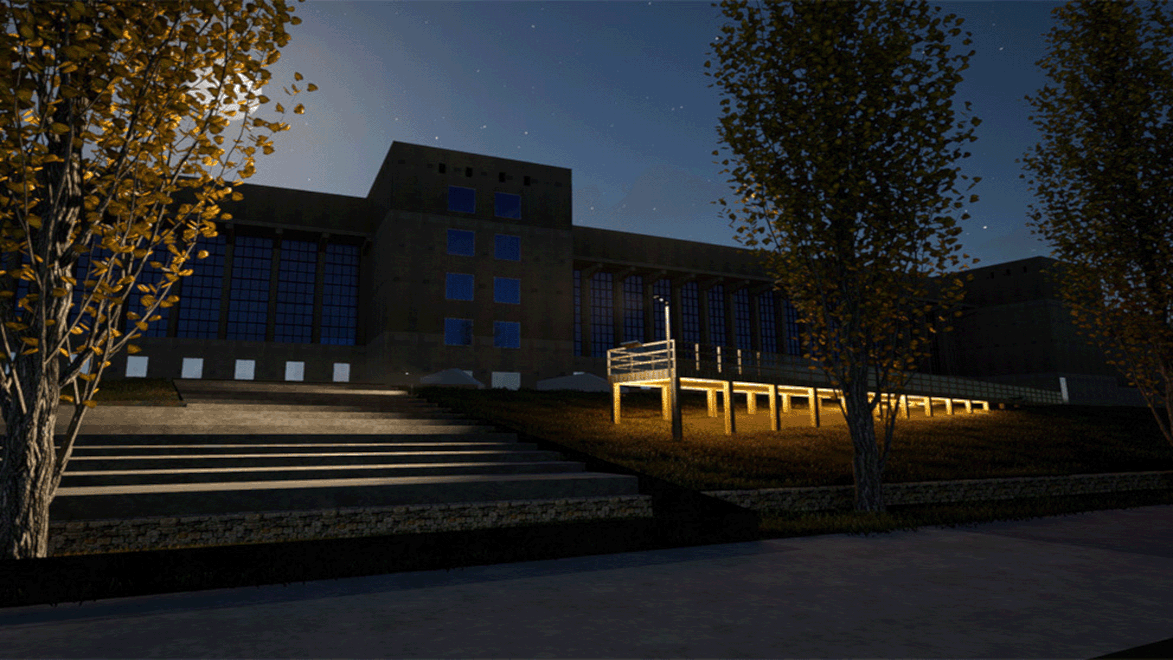
Dresden long-distance bus station

Dresden long-distance bus station

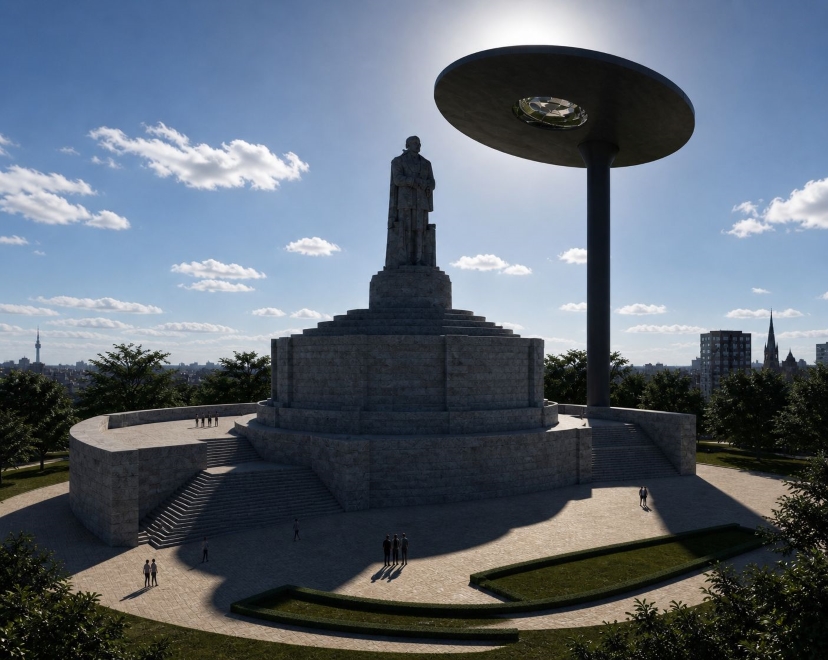
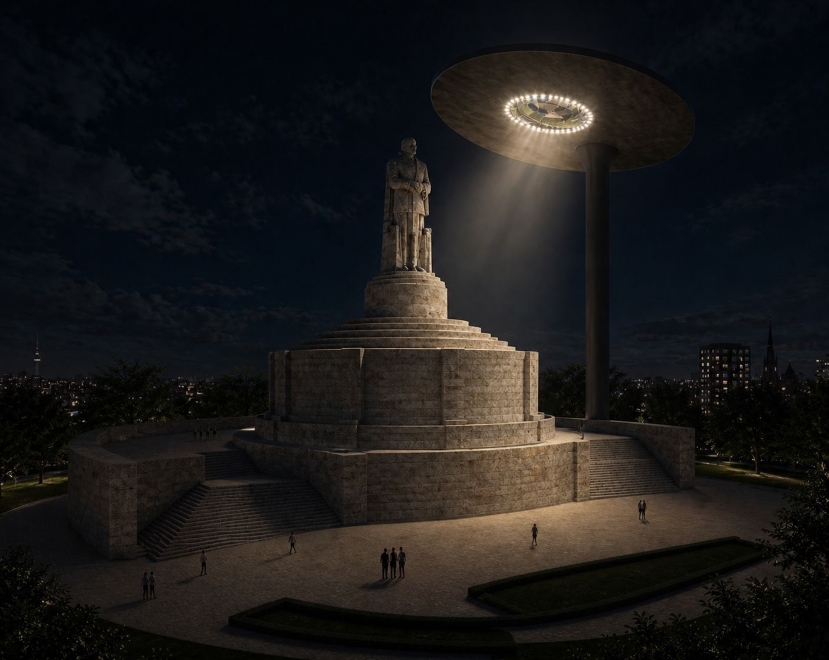
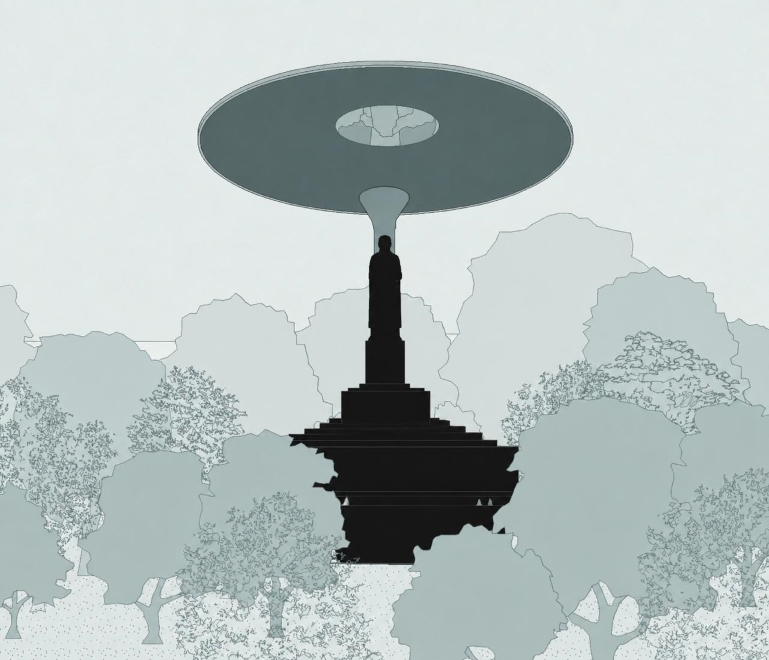
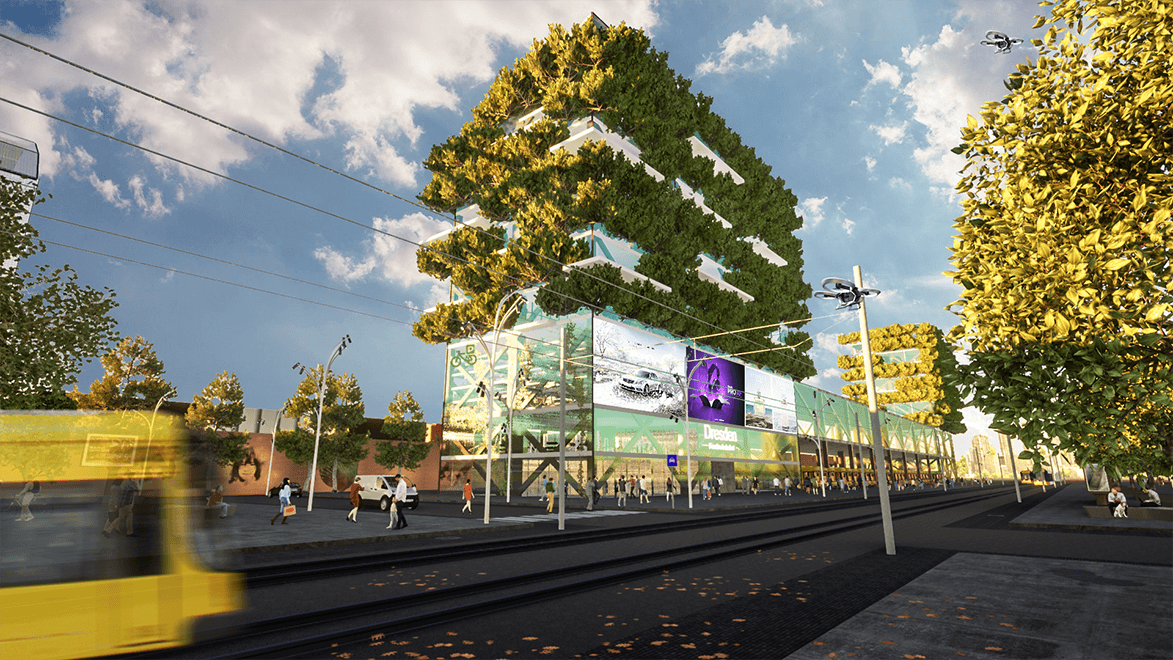
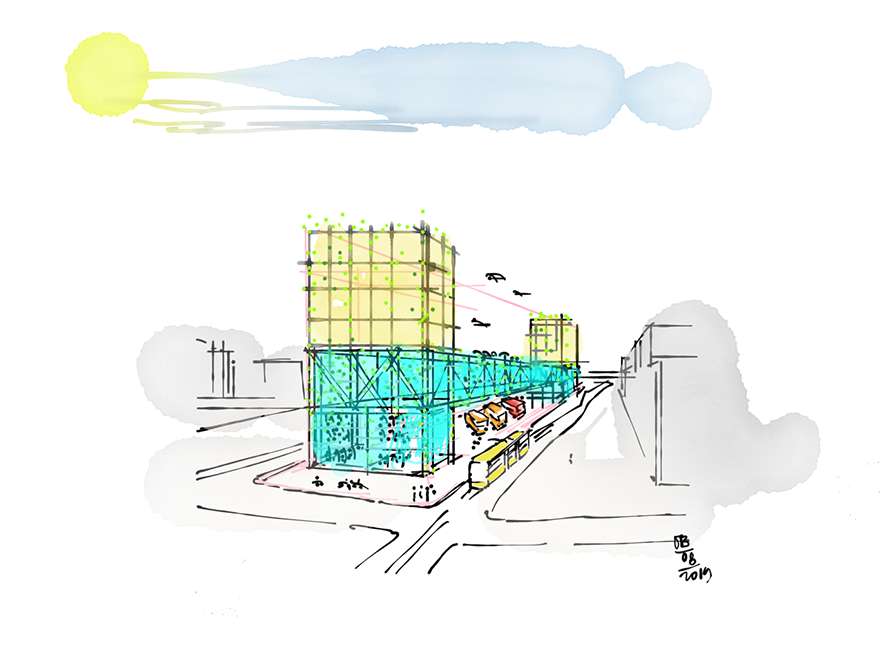
Mobility Hub: Terminal Long-distance Bus Station, Bicycle Parking Garage, Air Taxi

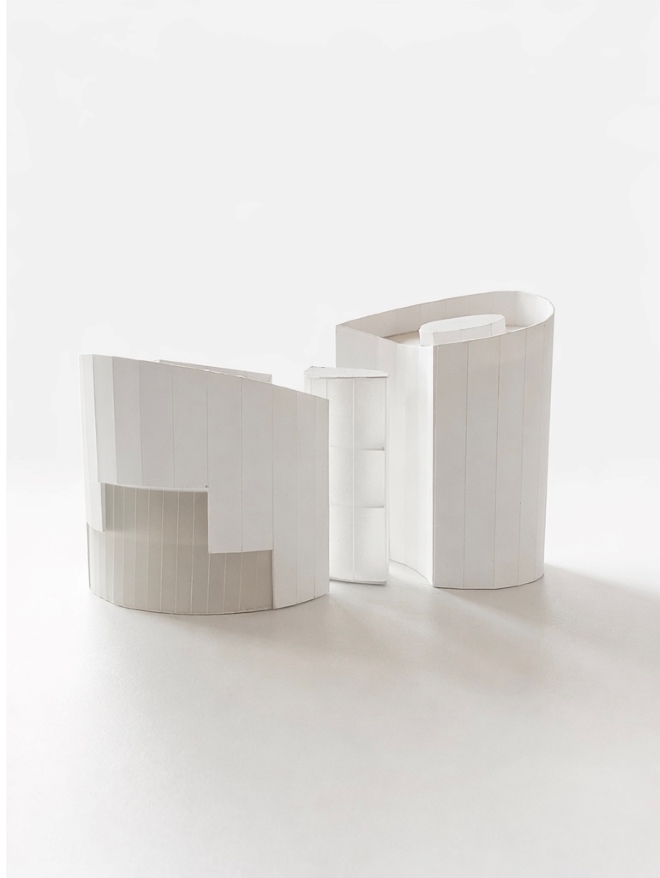
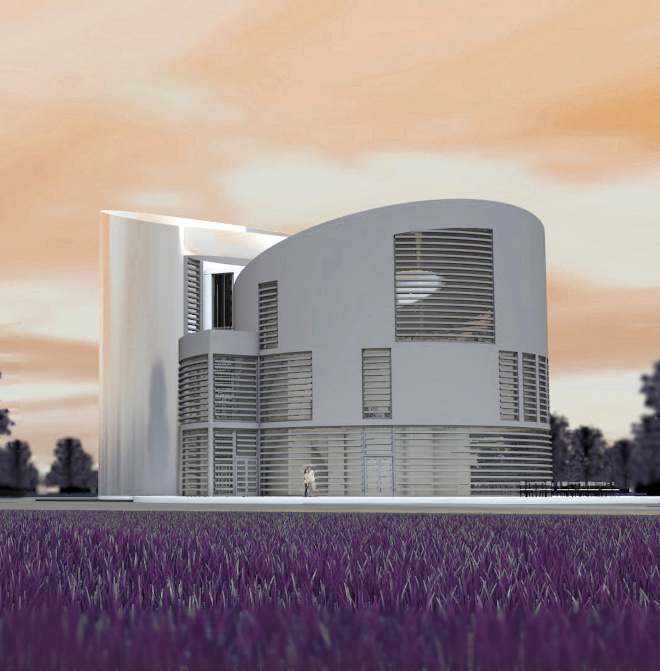
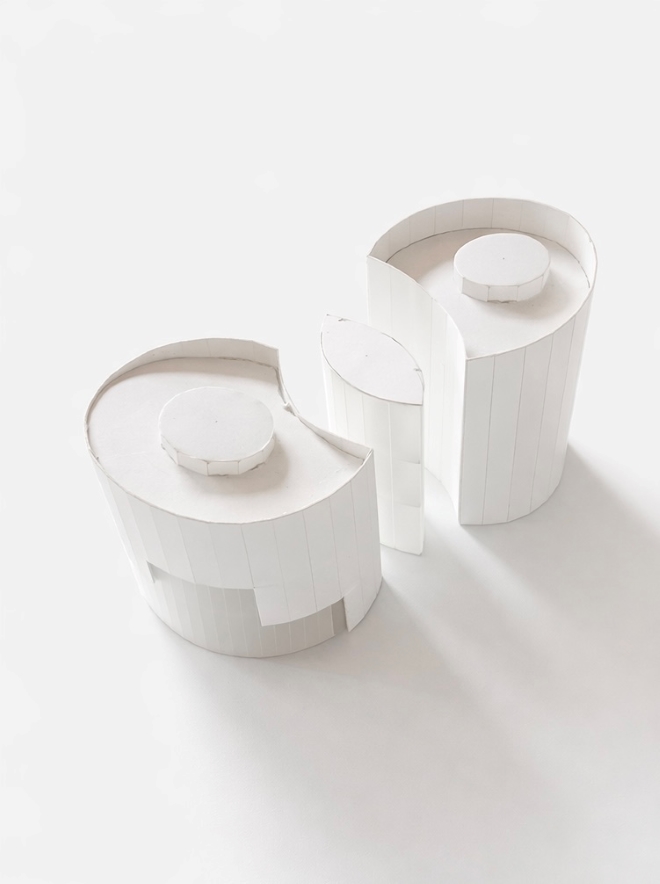
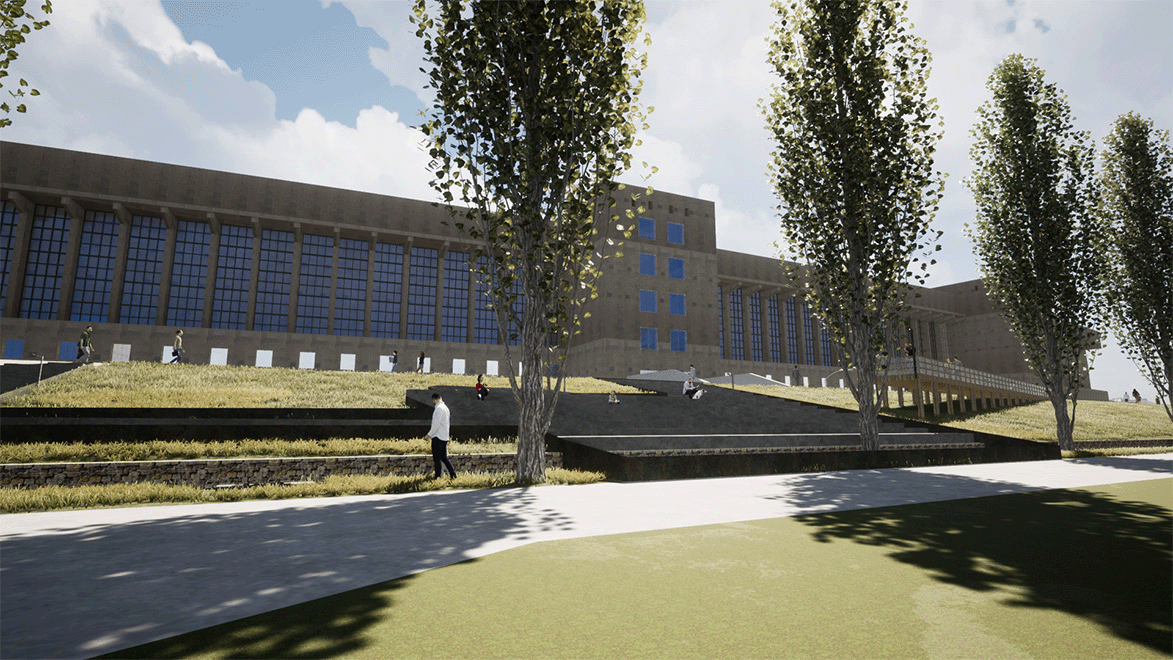
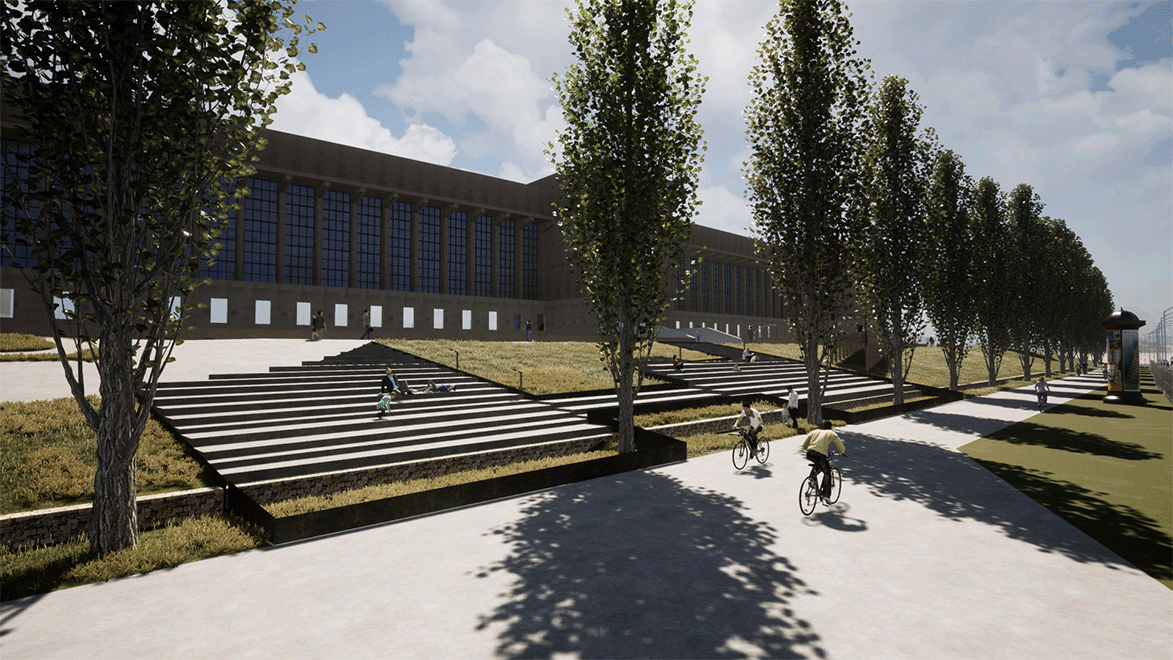
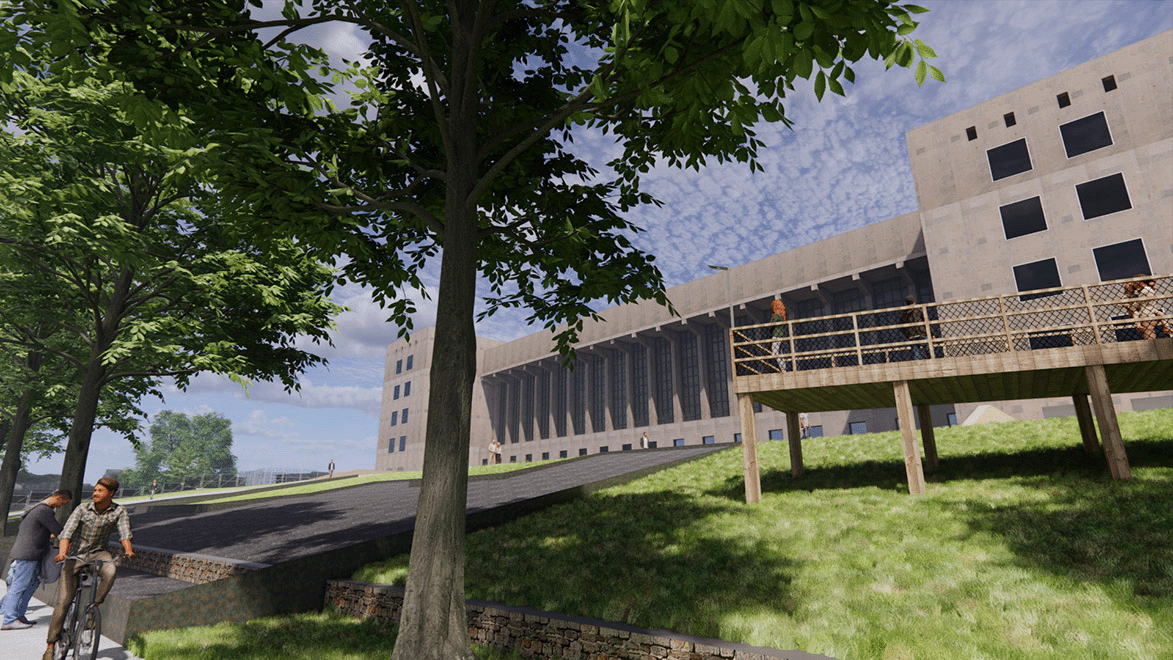
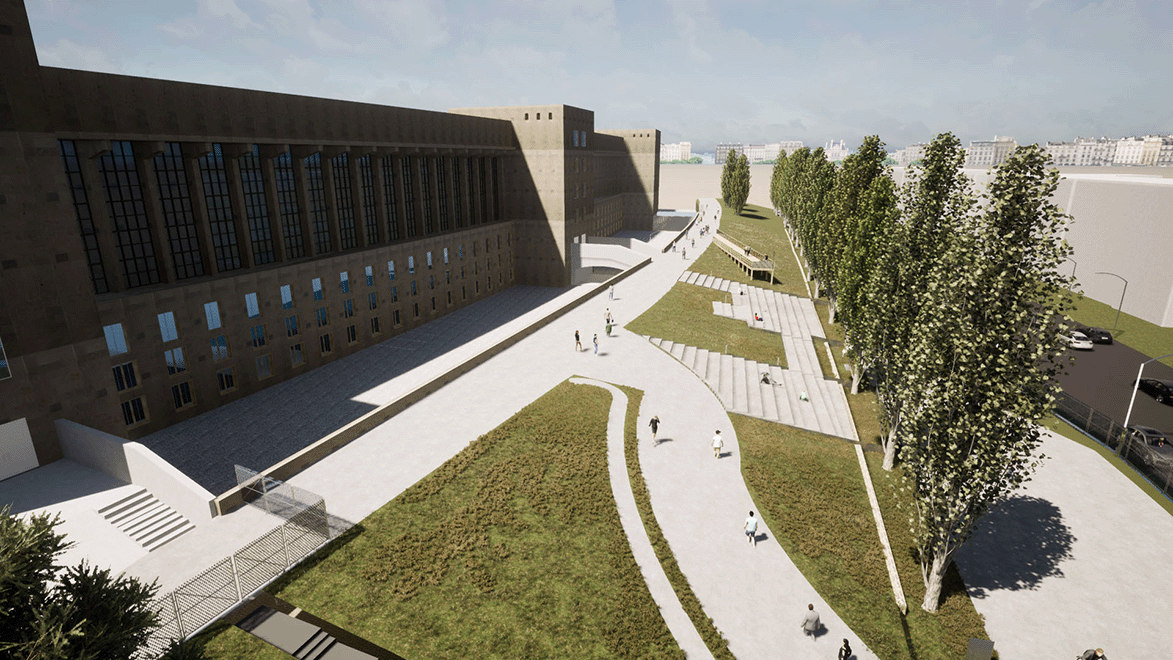
The Mobility Hub presented here has an innovative, modular and flexible overall concept that enables the tendered functions of bus station and bicycle parking garage and also provides an attractive space for different uses, such as offices, hotels, StartUp Centres, studios, shops, etc. The design is based on a simple construction principle.

The ingeniously simple construction principle allows for sectional and phased construction as well as flexible future development. Which offers the potential to adapt structurally to future changes without demolition.

The main structure of the building functions as a bridge over the bus station area to achieve an area as free of supports as possible, which can also be used differently in the future.

Two high-rise blocks will be built on the sides of the “bridge” (total height 50 m). These high-rise towers / Thinking Towers complement the semi-circle of high-rise buildings in the immediate vicinity on the northern side of the station, at the entrance to Prager Straße, and offer plenty of space for a wide variety of uses.

The concept succeeds in positioning a striking, versatile and forward-looking architecture at an enormously important location in terms of urban development, which is potentially capable of adapting structurally to changing requirements in the future and enables new uses when mobility, technology or market conditions change.

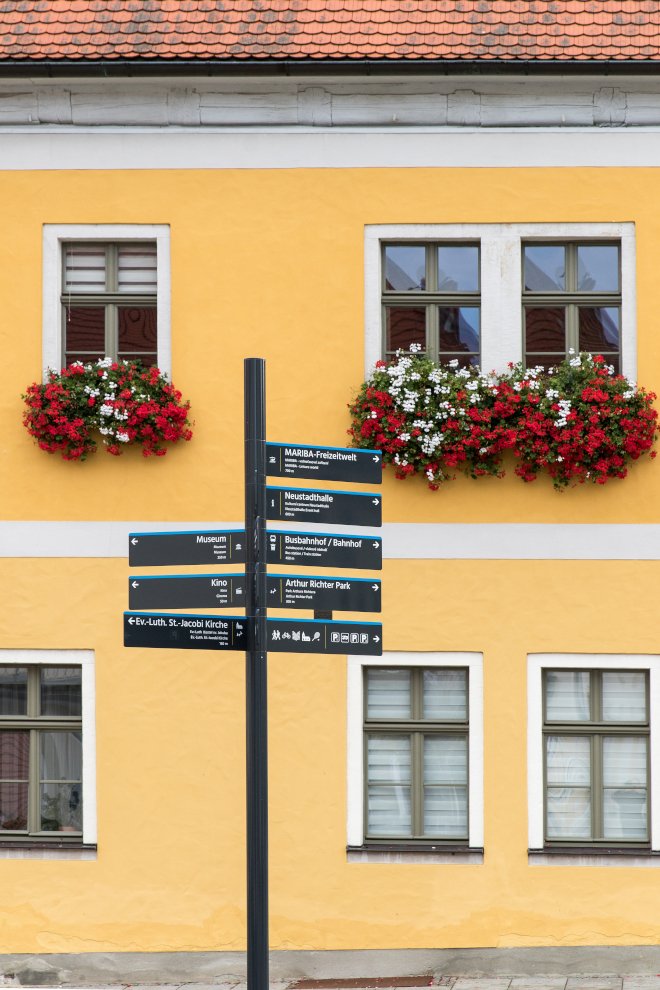
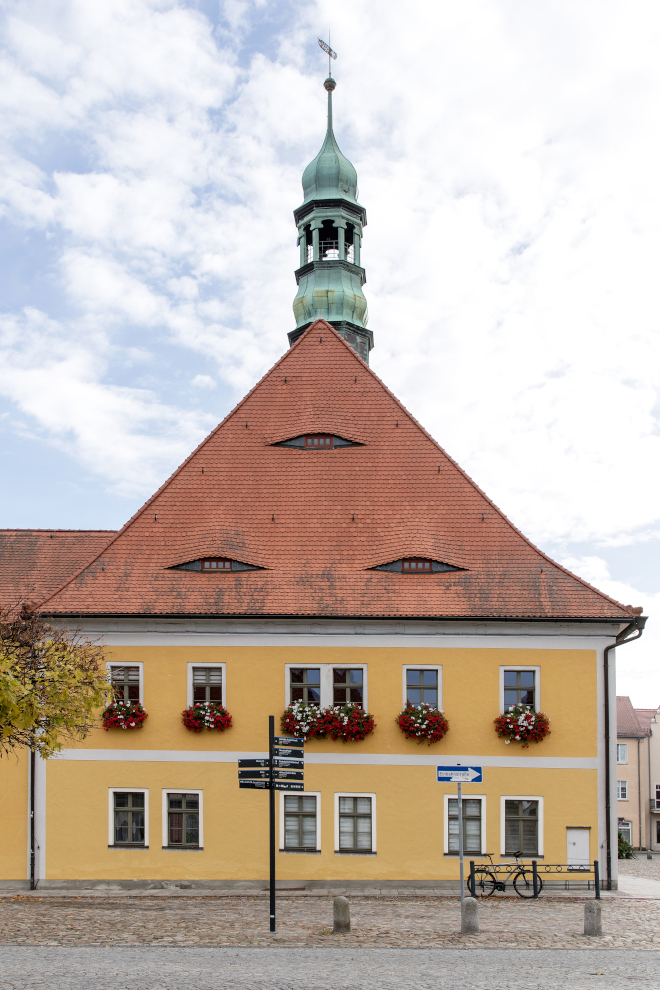
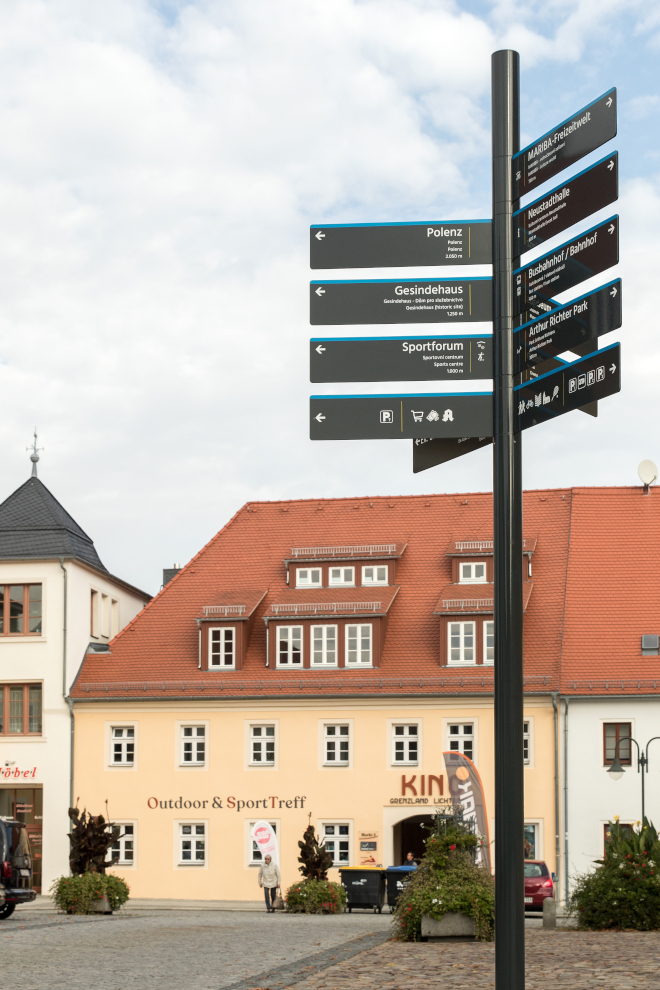
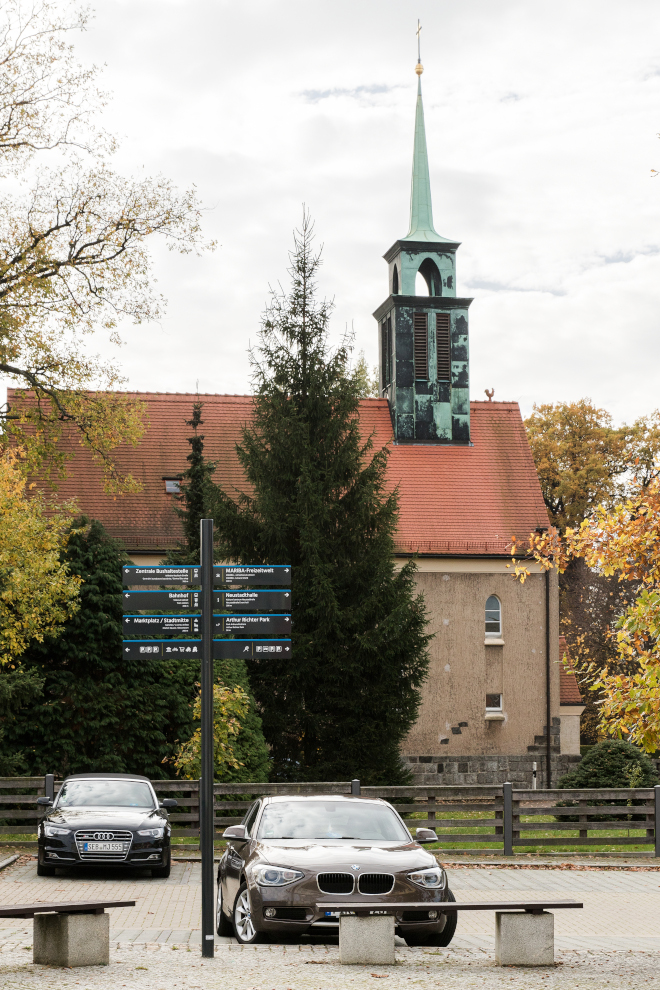
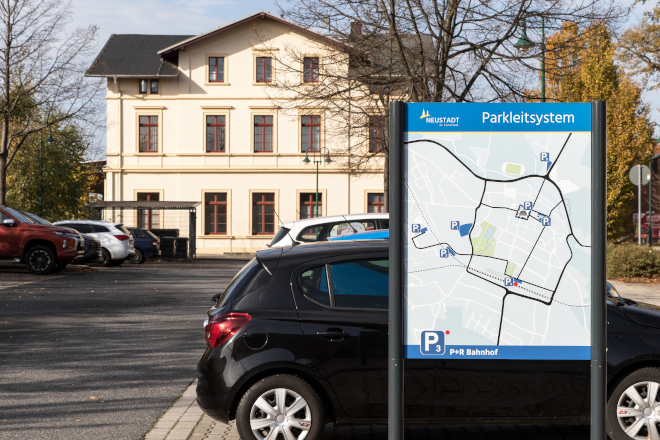
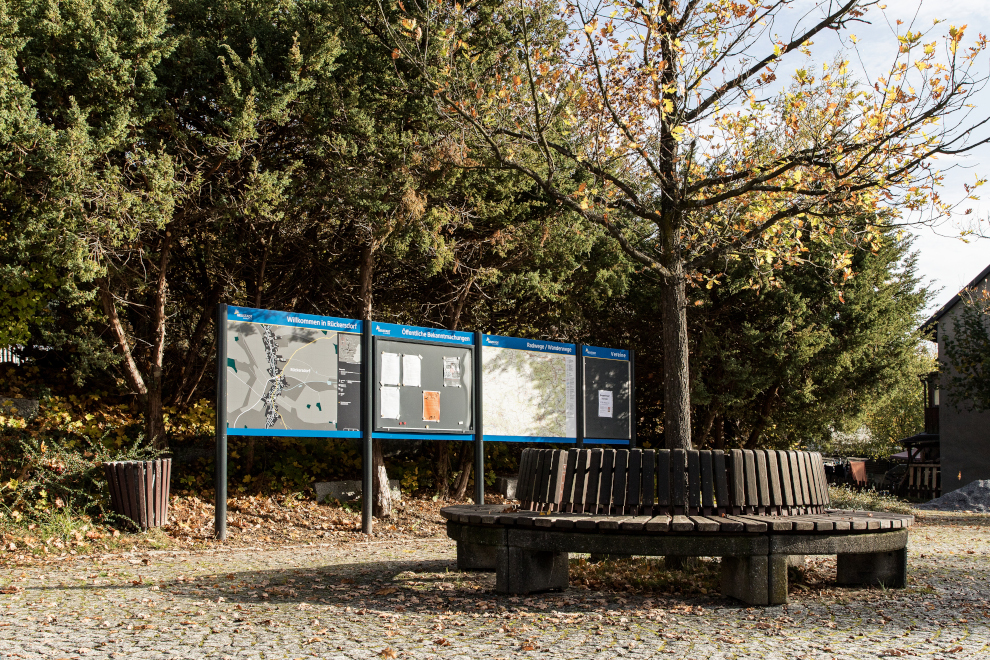
Tourist Guidance System for Neustadt in Saxony

Tourist Guidance System for Neustadt in Saxony

Holistic, individual orientation system in combination with a pedestrian guidance system and a parking guidance system

Consisting of individual elements:

  • Arrow signposts
  • Orientation boards (city and district maps)
  • Announcements (showcases / display cases)
  • Pin boards
  • Hiking boards / hiking maps
  • Welcome boards / town entrances
  • Parking guidance system / parking signs and arrow signposts

Planning services:

  • Phase zero / goal identification
  • Concept development (urban orientation concept)
  • Goals and route development based on target spiders
  • Application for funding / project management funding documents
  • Architectural concept (guiding system elements, design, dimensioning, materiality)
  • Cartography: city maps + panels
  • Signalling (signs, pictograms, contrast, font sizes)
  • Graphic design (corporate design, application and adaptation)
  • Text editing / translation (Czech / English)
  • Implementation / realization (project mangaement, construction supervision)

Client:

Municipality of Neustadt in Saxony

Period of development: 2019-2022

High-rise Buildings in Pirna-Sonnentein

High-rise Buildings in Pirna-Sonnentein

Renovation of corridor areas, concept for light and color, orientation concept for elderly people

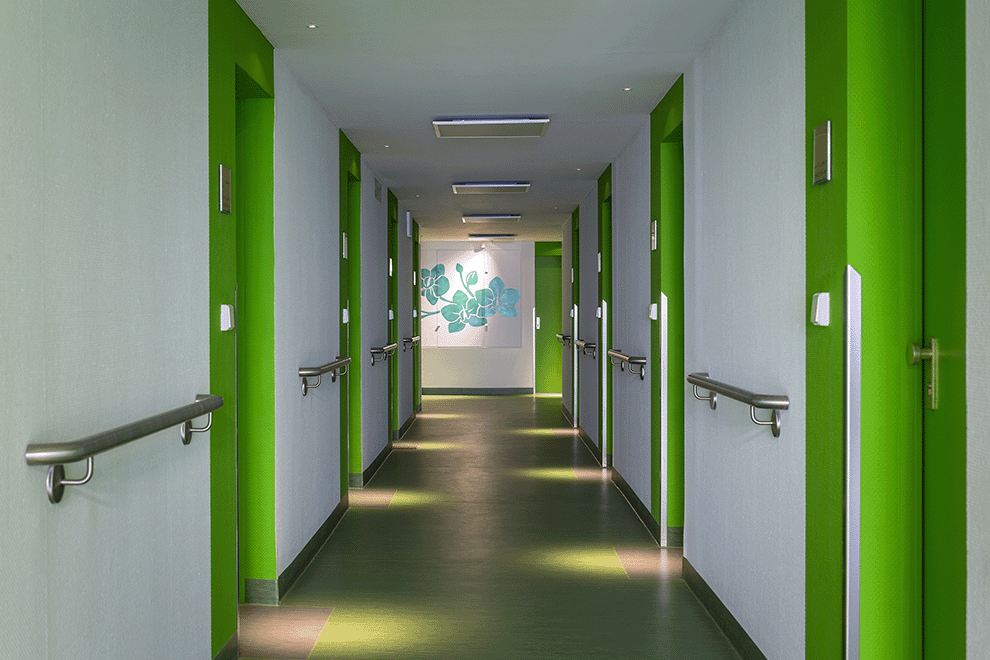
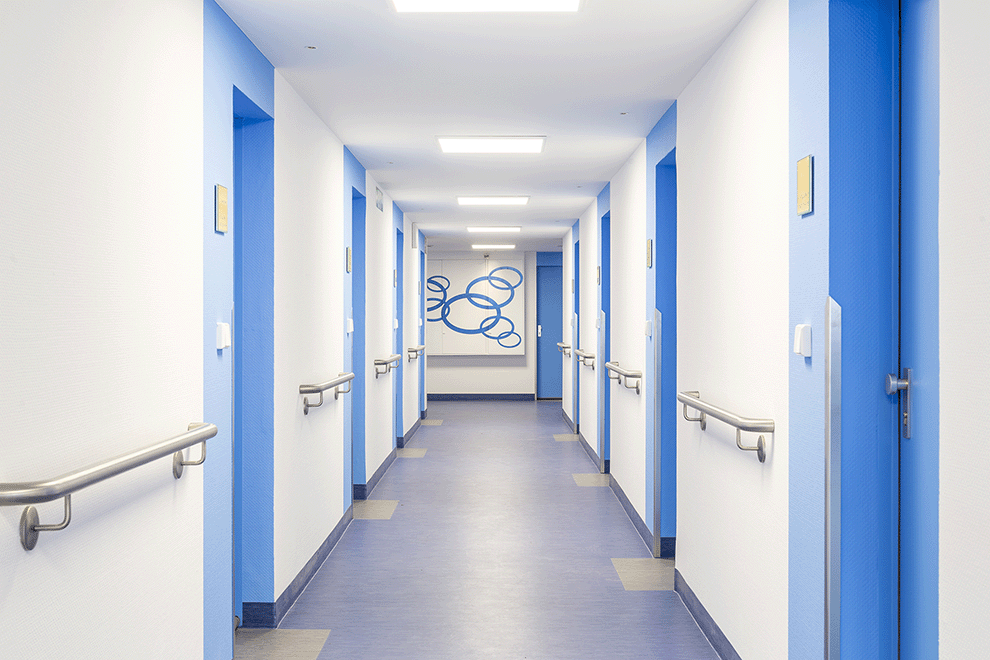
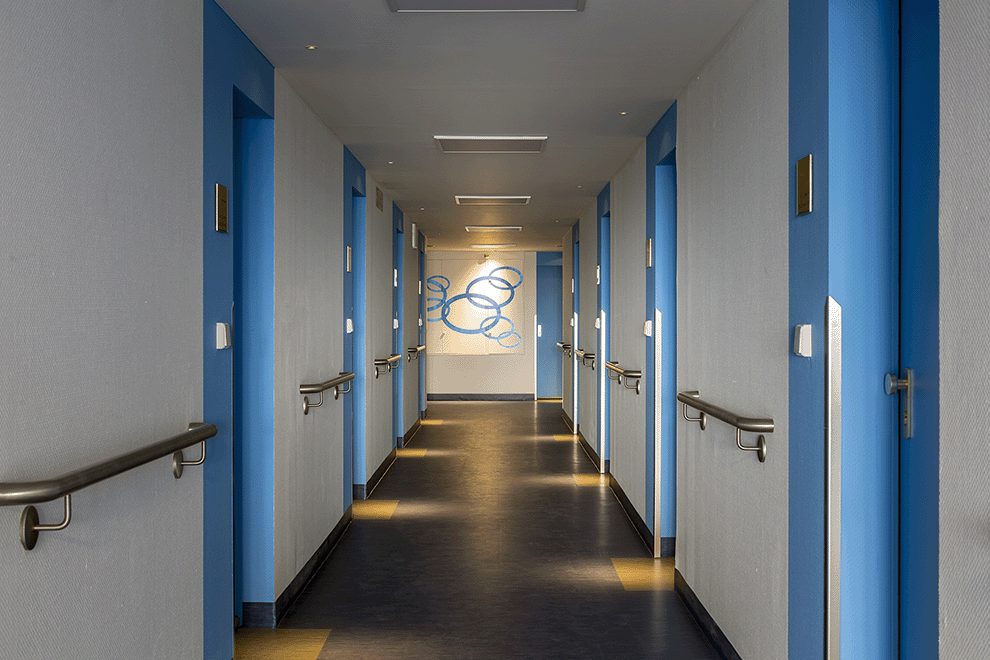
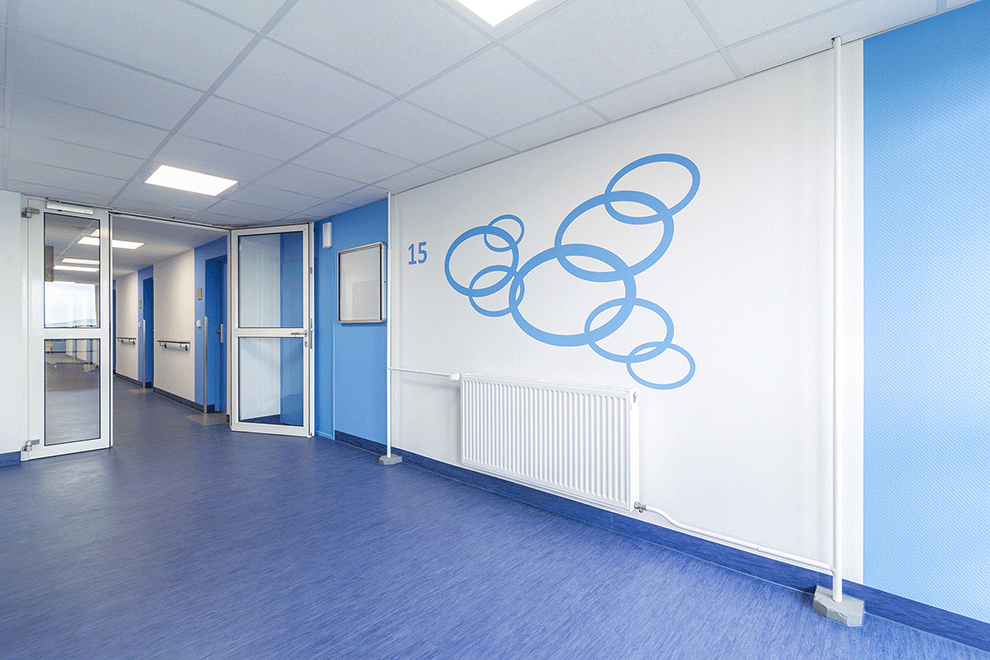
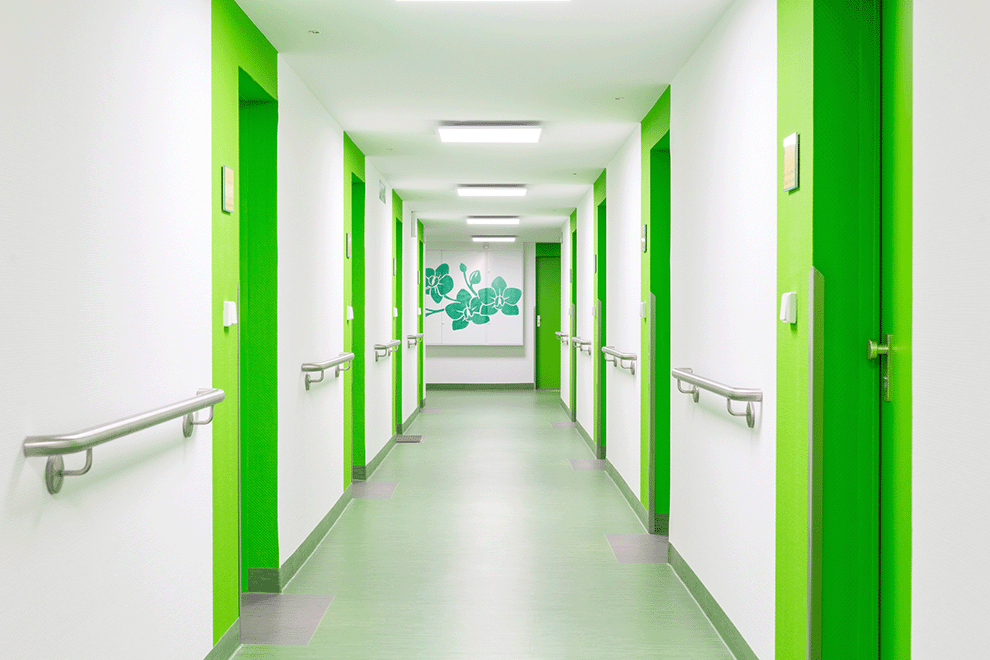
In 15-story residential high-rise buildings in Pirna Sonnenstein, the public corridor areas were redesigned with fire protection measures taken into account. The interior of the buildings was thus made more attractive. Additional design measures also take into account the needs of older residents in particular.

The rooms were made brighter, friendlier and more individual. The individual floors stand out from one another with different color schemes and motifs, making orientation easier. To improve the quality of stay, an individual lighting concept was developed.

New, square surface-mounted luminaires illuminate the corridor area. Individually placed spotlights mark the entrance areas of the apartments. The walls were redesigned. Different individual wall motifs form eye-catching illustrations on each floor when exiting the elevator, creating a focal point at the end of the stub corridors and additionally helping with orientation within the building.

The entrance areas of the apartments were marked with color accents, and the doors and wall were kept in a uniform color, creating a sense of spaciousness in the narrow corridors. In addition to color-coordinated new flooring, the apartments received new doorbell buttons and large signs at eye level.

Handrails made of stainless steel, protective profiles for the existing wall corners and a new information board and signs for the escape routes increase the quality of stay and living for the residents.

Client: Städtische Wohnungsgesellschaft Pirna mbH, 2013-2015

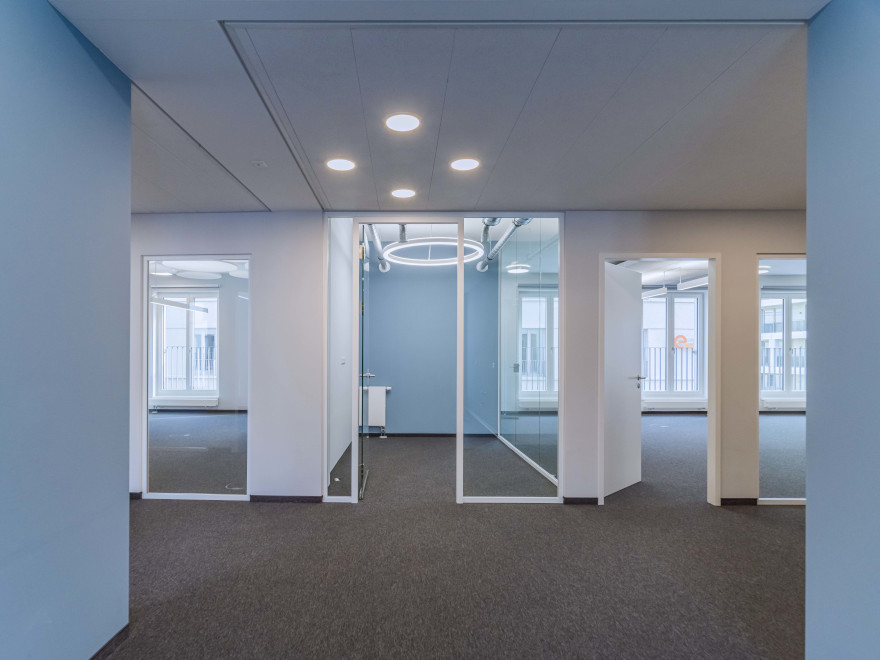
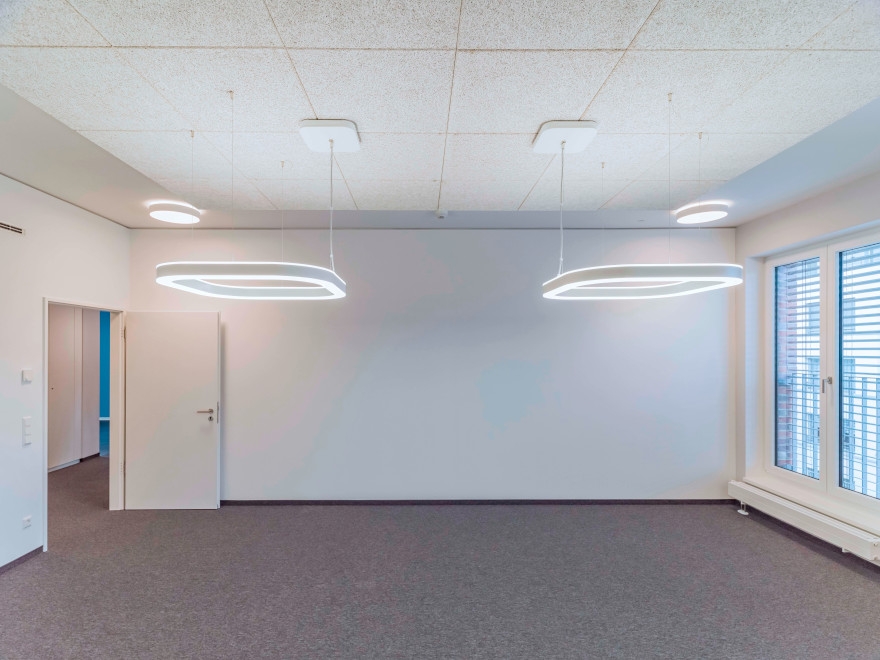
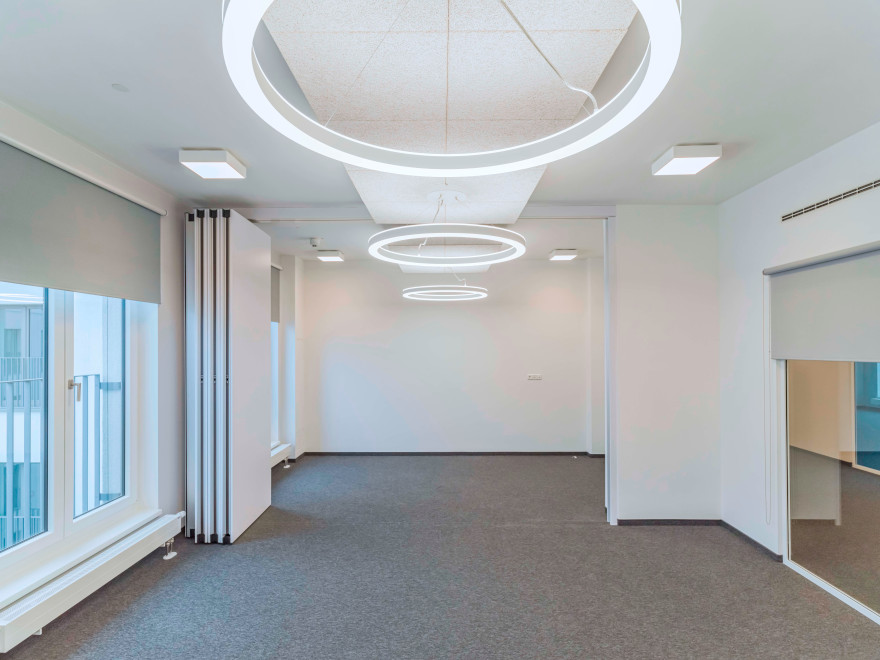
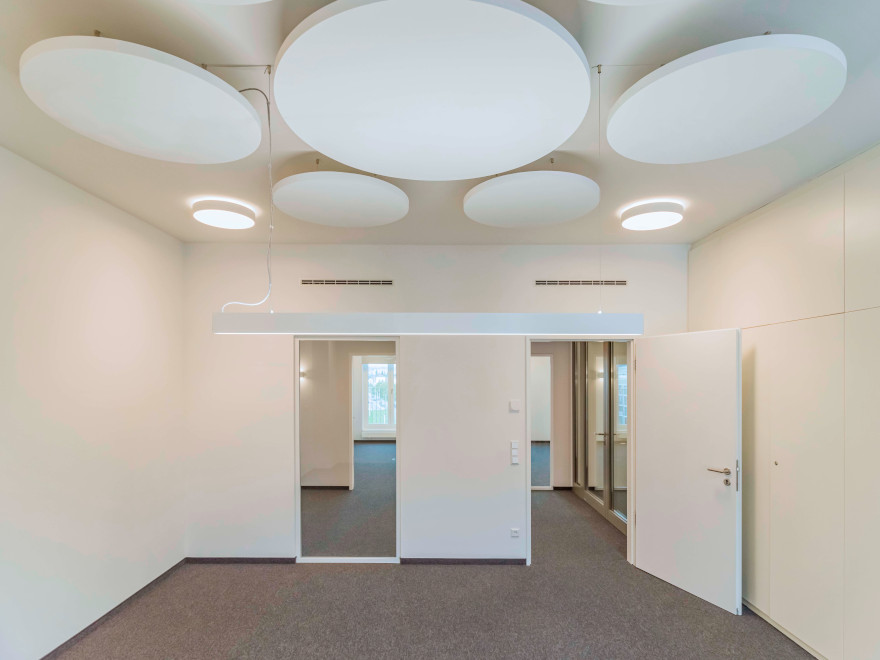
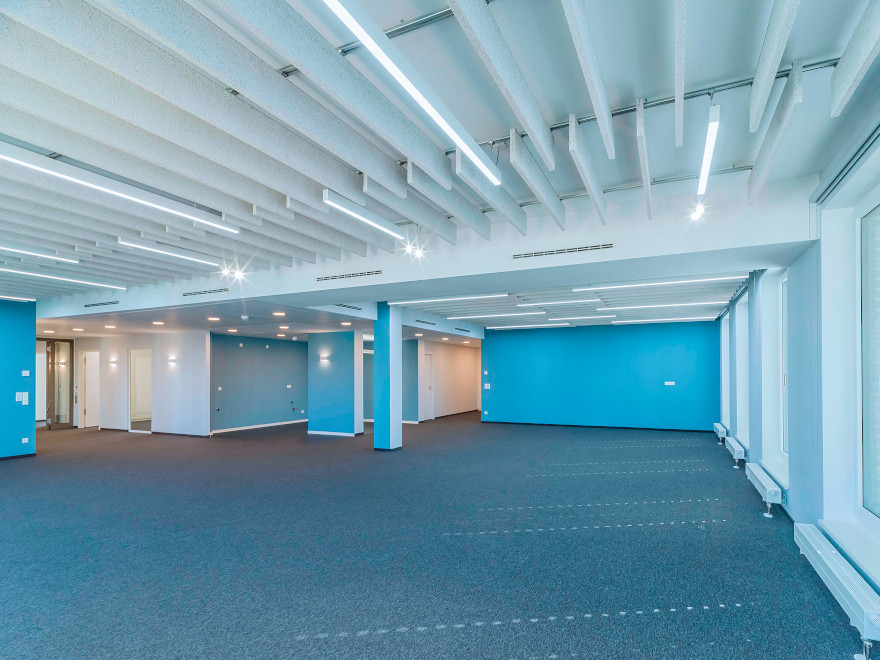
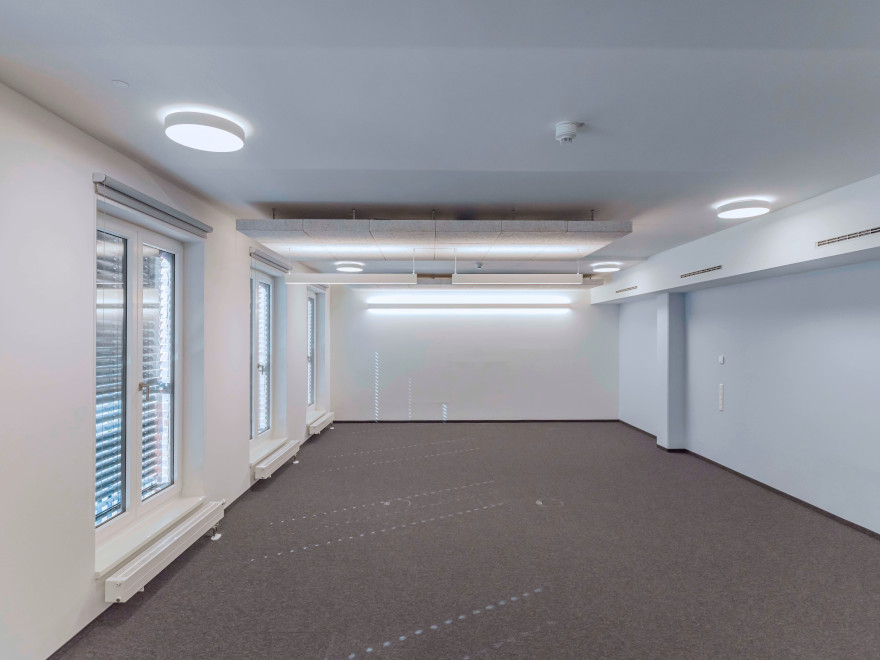
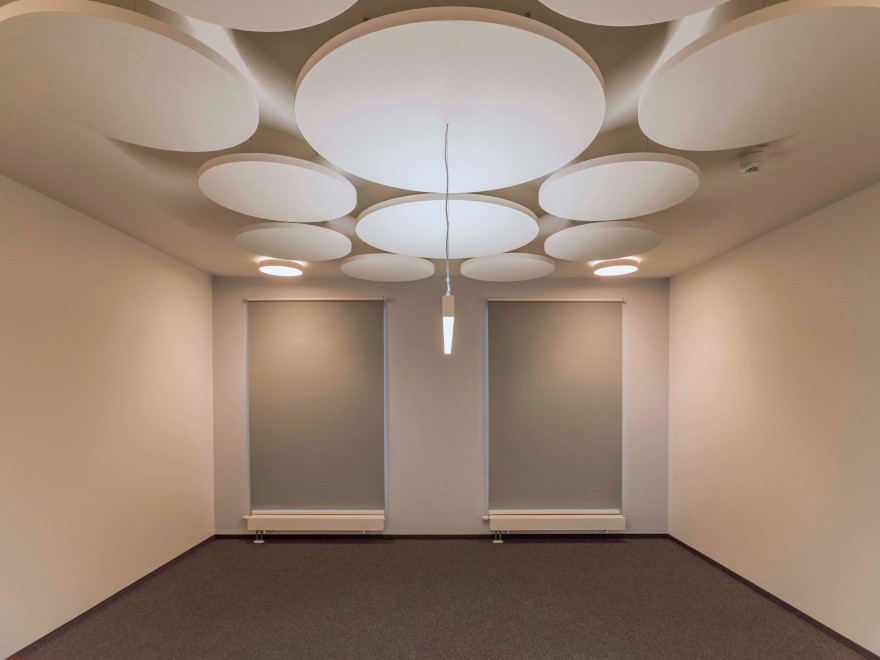
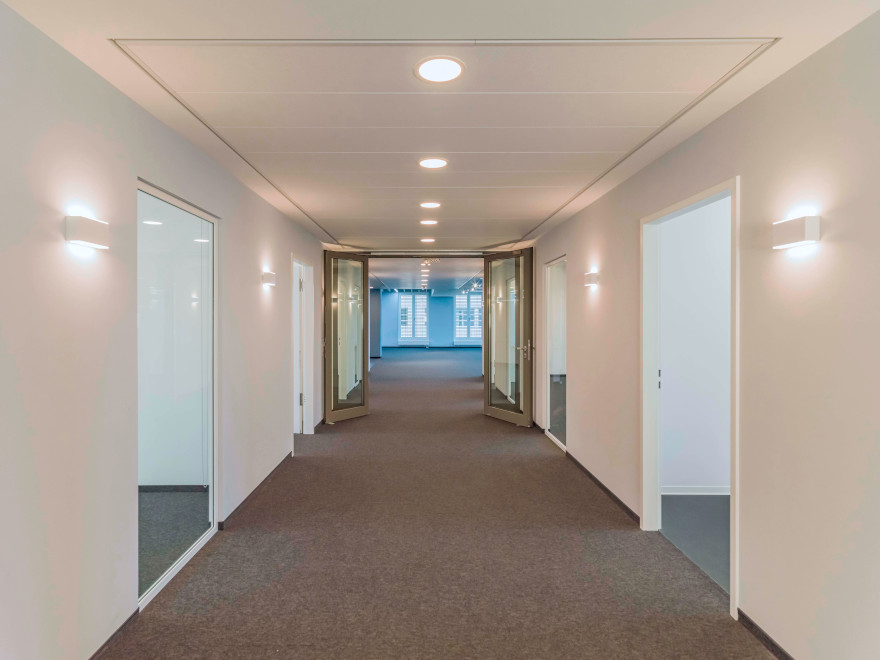
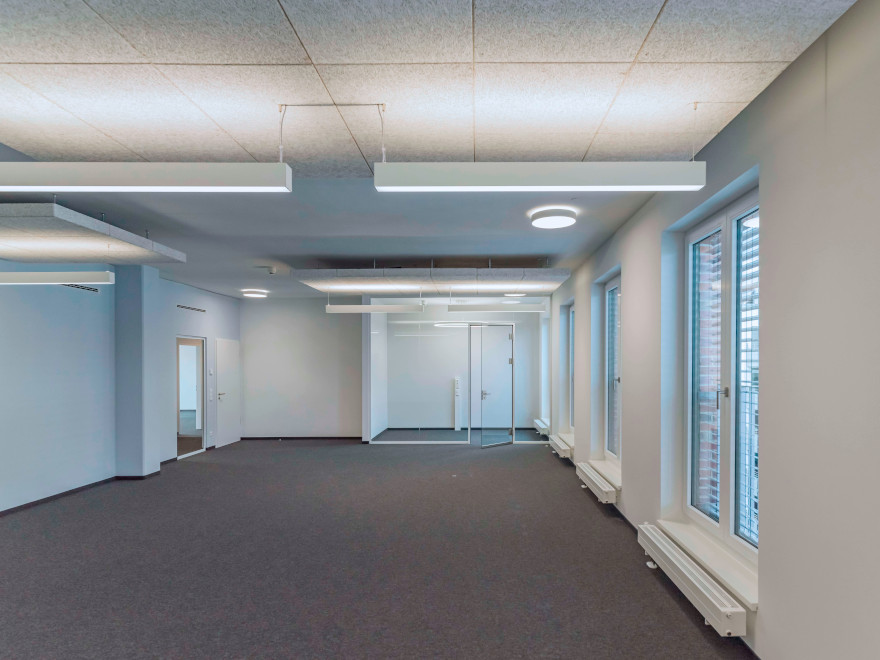
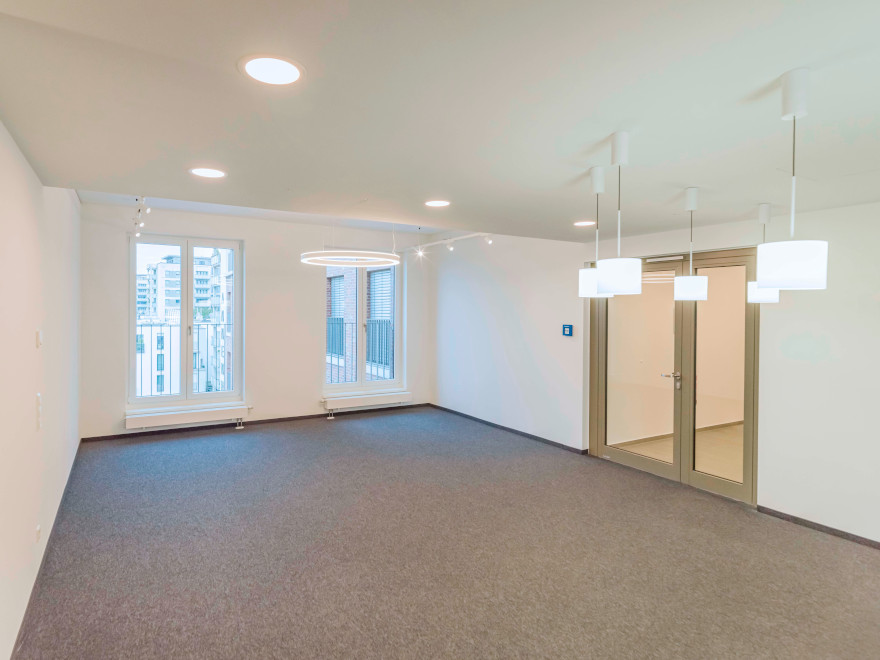
AMD Dresden, office and labotarory rooms

AMD Location Dresden

Office and laboratory rooms

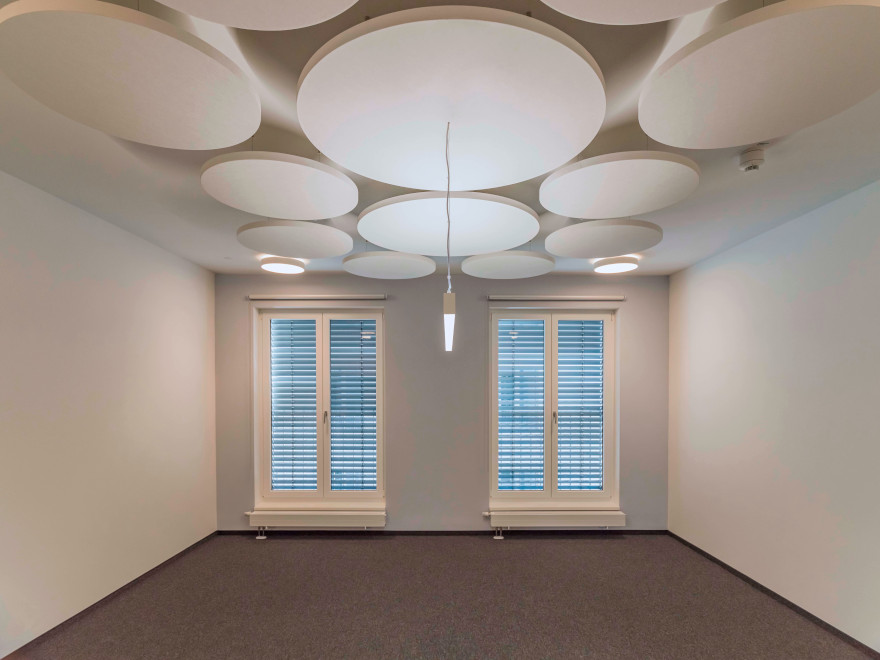
Interior design, colour concept, lighting design

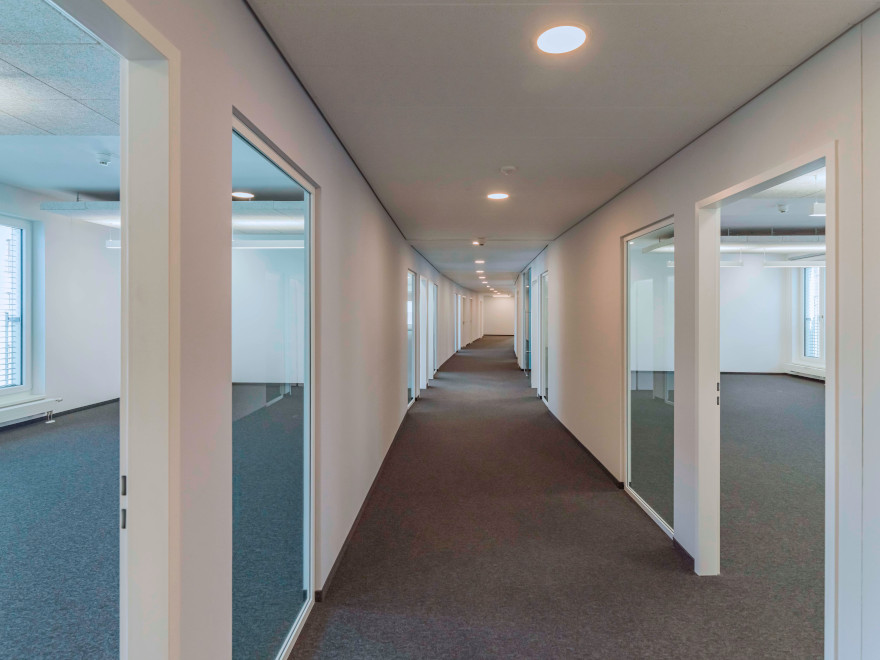
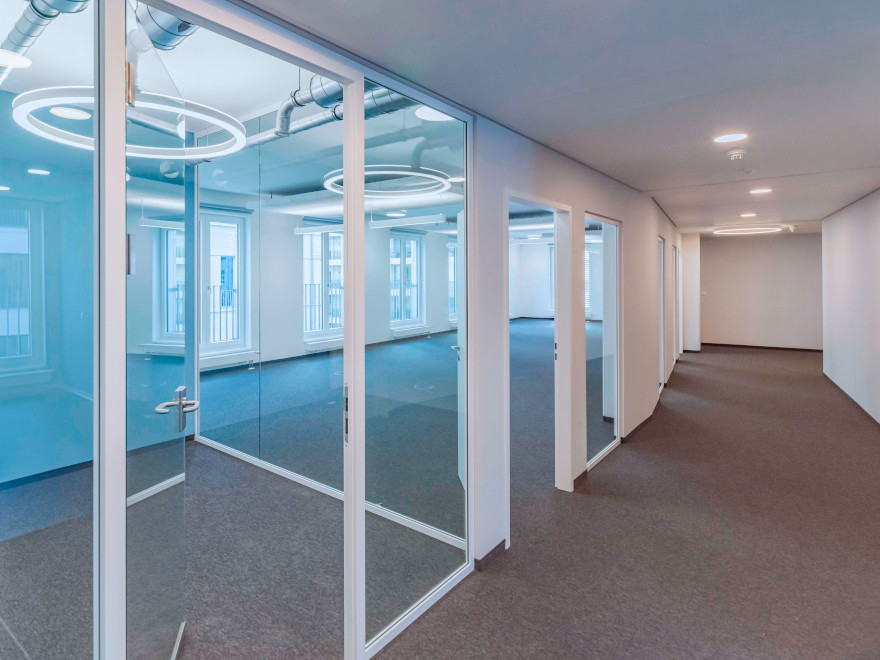
Completion of the new premises of the Dresden branch of AMD according to the concept for light and colour by Ruairí O’Brien.

Requirements:

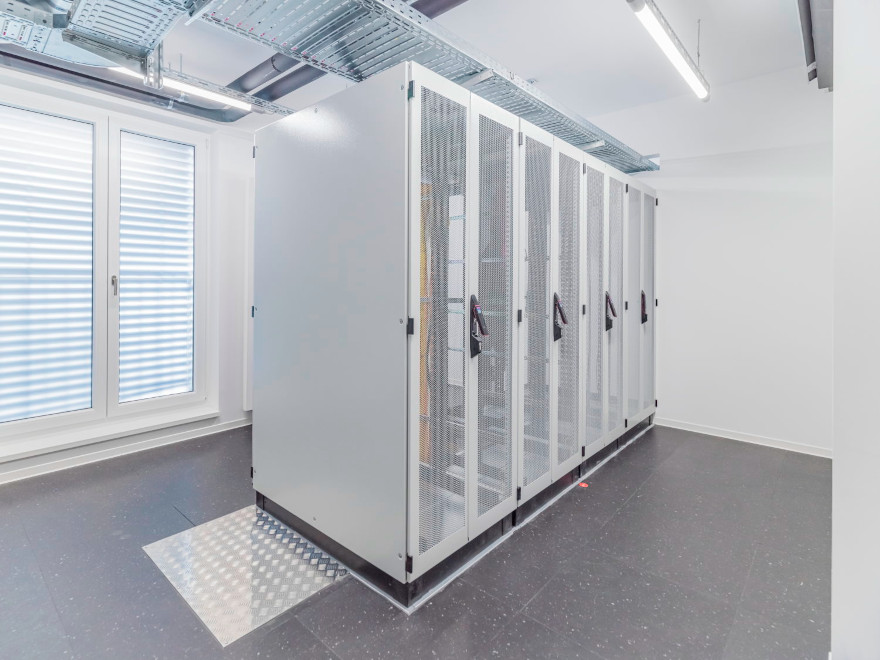
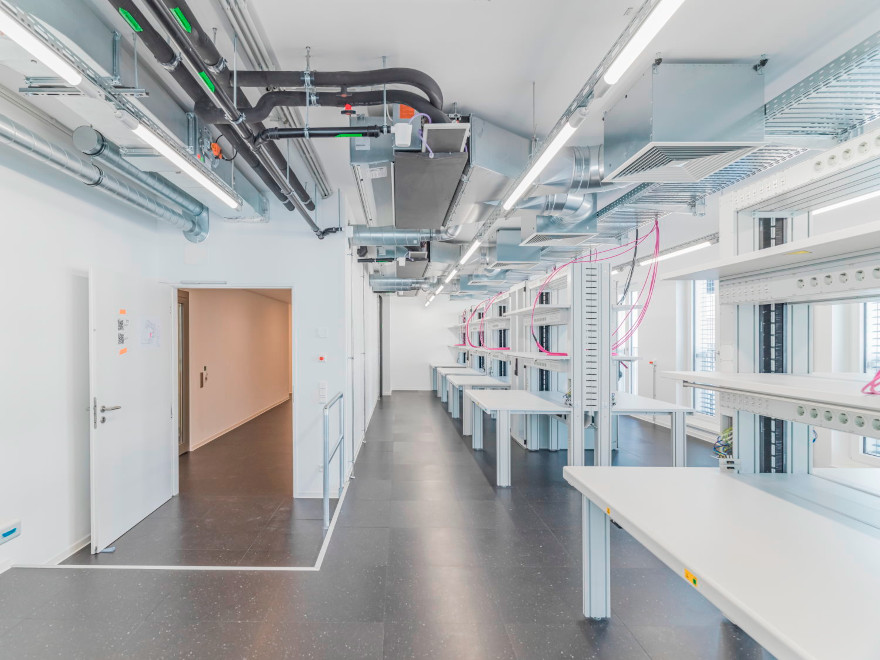
Study for space-optimised use for optimal fulfilment of operational functions, individual workplace needs and efficient use of space. Planning Office spaces, laboratory spaces, representative areas / reception area / reception, conference / meeting rooms (telephone rooms, micro-meeting rooms), informal meeting space / work café, laboratory and development spaces / server rooms, social areas (break rooms, tea kitchens, communication corners), telephone booths, bathroom / toilet spaces, circulation areas / corridors.

Planning objectives:

  • optimal use of space for employees, optimisation of the workplace situation to create attractive workplaces and compliance with occupational health and safety regulations,
  • Creation of modern working environments of today, attractive for international employees, tailored to the individual requirements of each area
  • For a working environment that offers ideal working conditions and is a pleasure to be in.

Services:

Study room layout for different numbers of workstations for different sizes of utilisation unit, planning interior design / room layout, furnishing concept, lighting concept, HOAI LP 1-8.

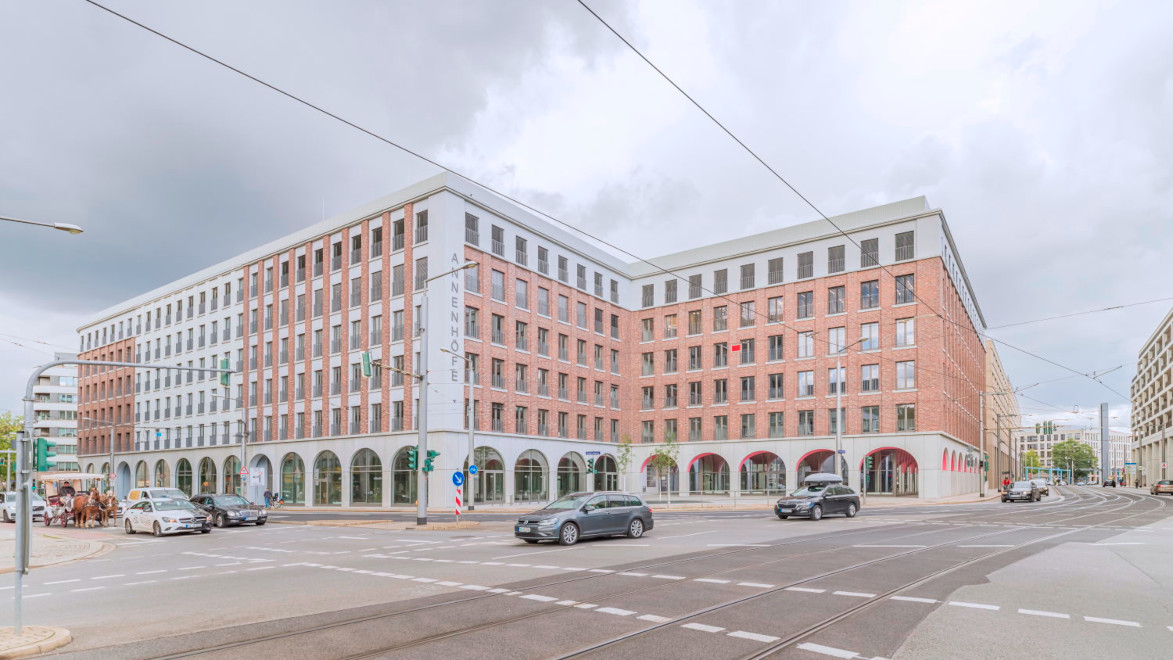
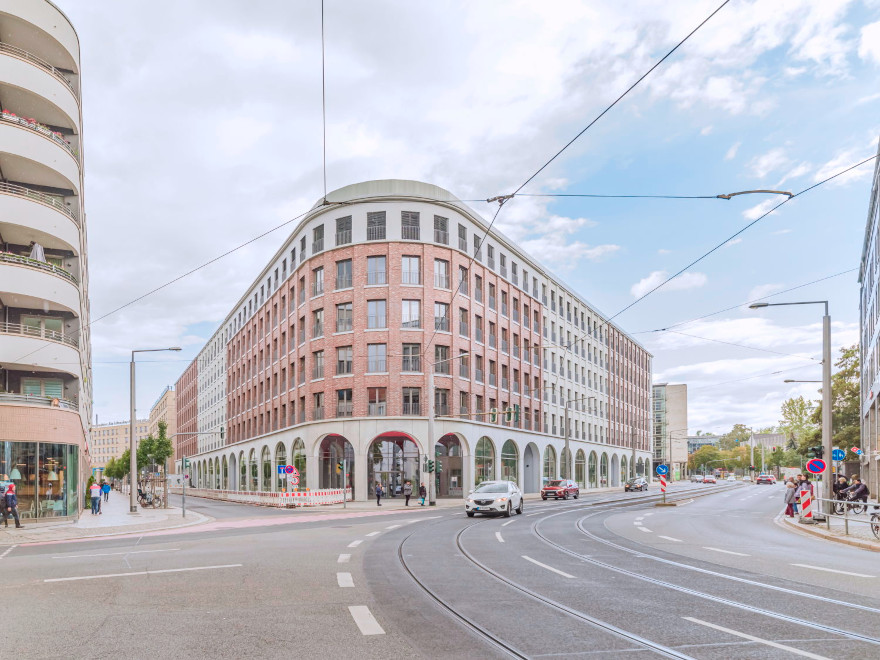
Location: Annenhöfe Dresden, Germany (2022)
Client: TLG REAL ESTATE AG
Architect: O M Architekten GmbH BDA
Services: Interior design / colour concept / lighting design
Client: Xilinx Dresden GmbH / Advanced Micro Devices, Inc. (AMD)
Photos: Baldauf&Baldauf

Middle Building of Dora Concentration Camp Memorial, Nordhausen

Middle Building of Dora Concentration Camp Memorial, Nordhausen

Redesign of the didactic development of the tunnel complex

Competition entry, 3rd place

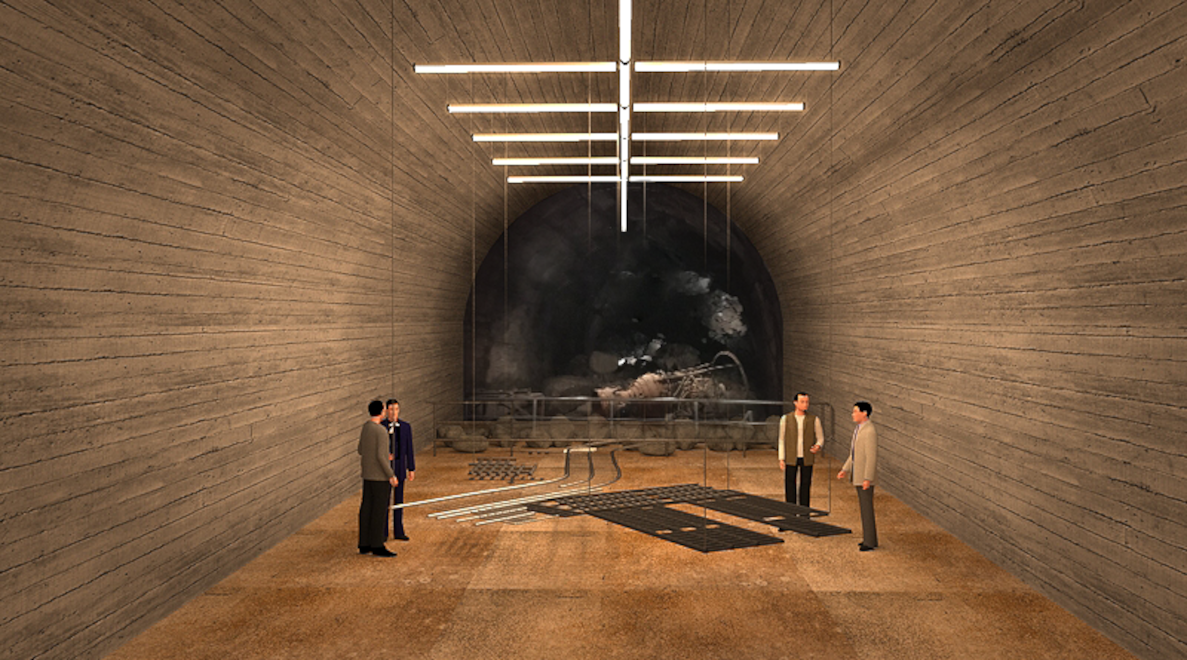
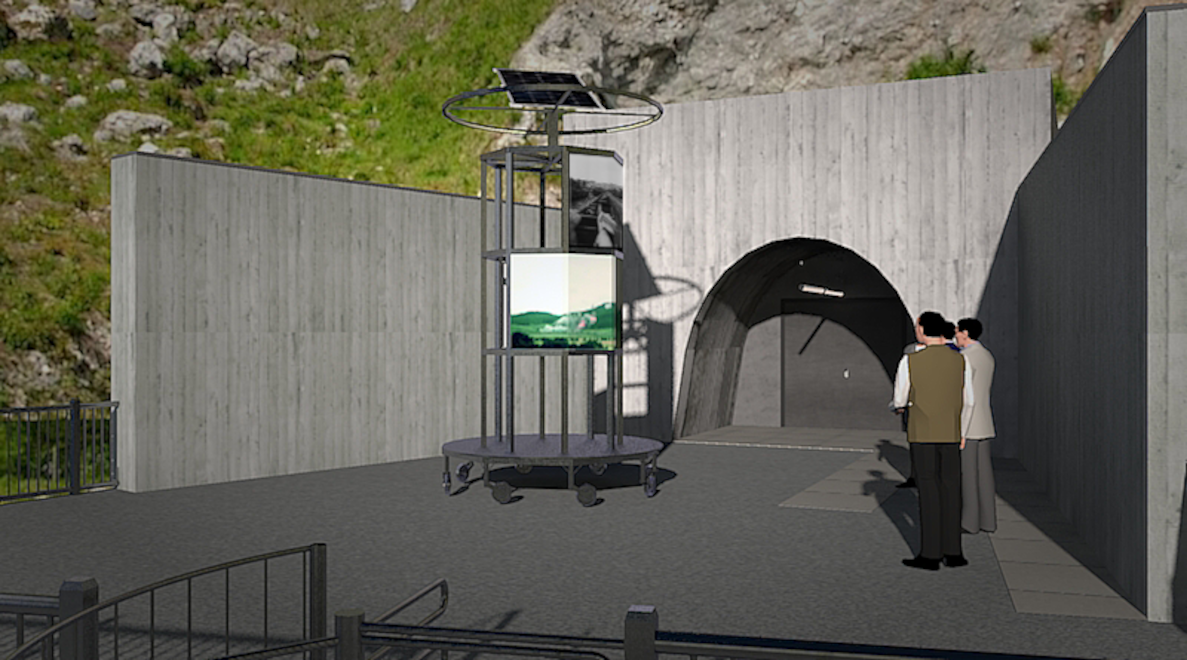
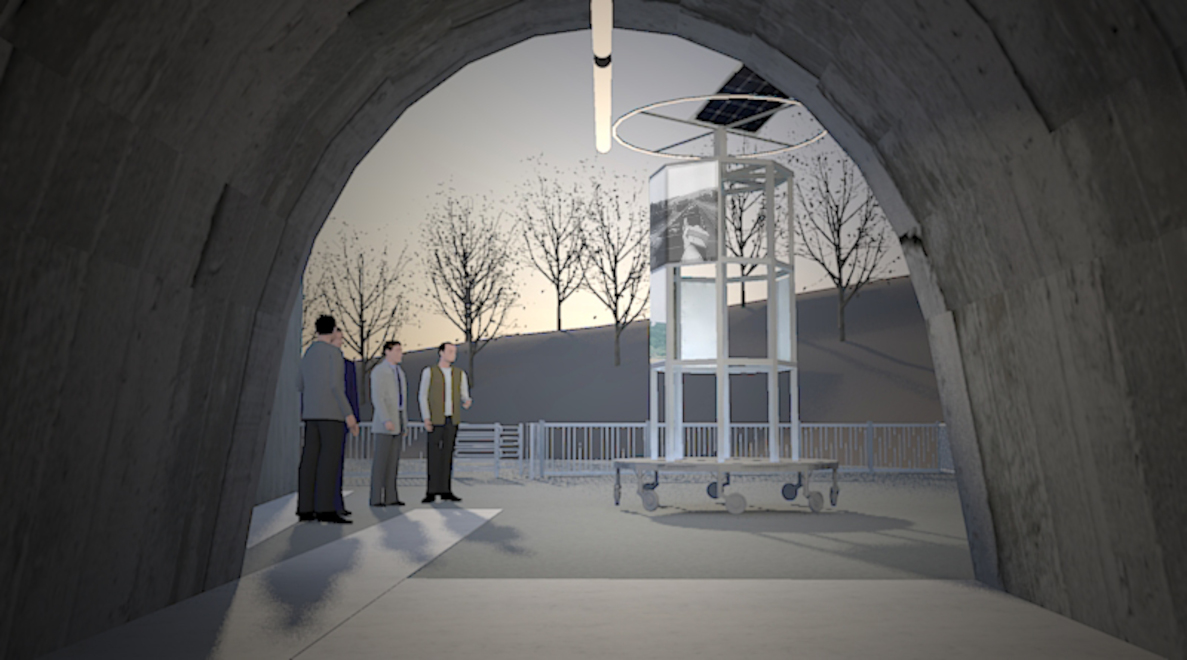
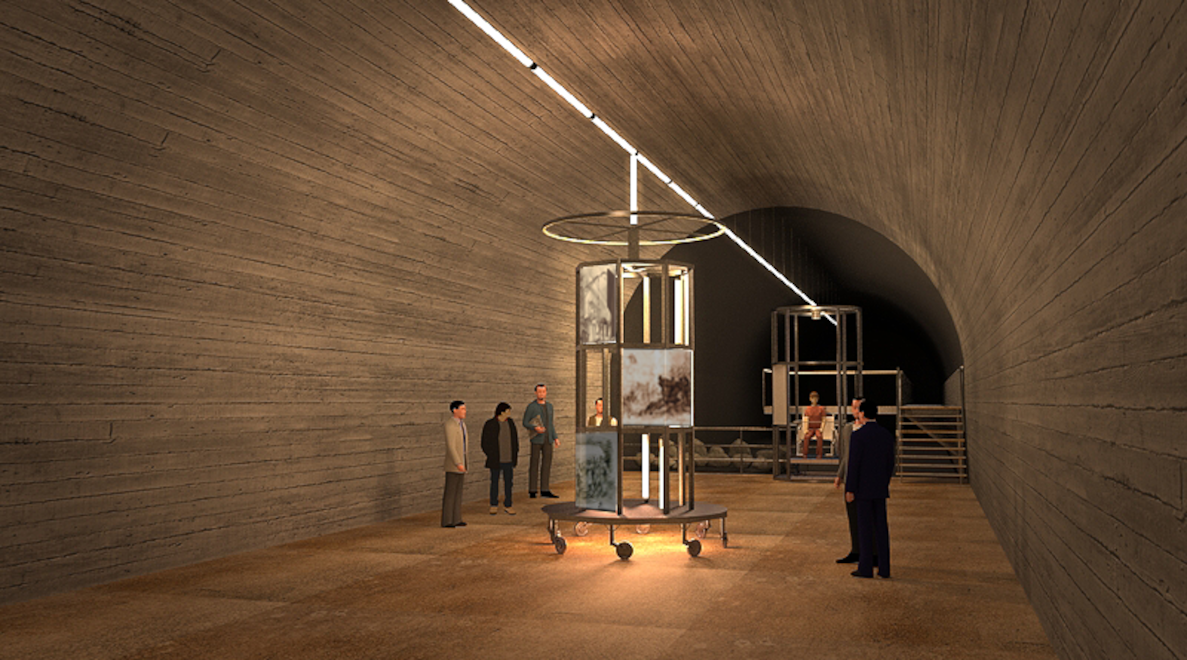
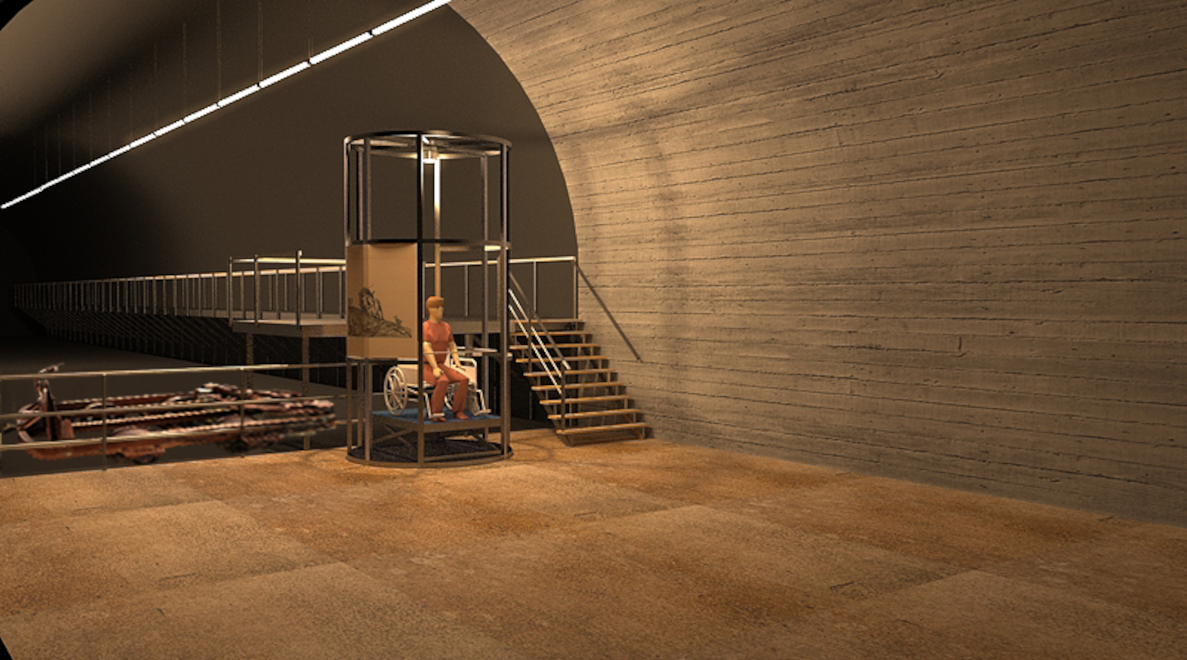
Our concept “Points and Lines” consists of two elements: Points of information and lines of paths in between. This concept includes the didactic idea that the light line guides the visitors and the information pillars (points) mark the destinations.
The information pillars or information light sculptures, convey the story and give the guided tours gathering points where the visitors get visual information and explanations together by the guide.
The light lines are guiding elements that lead to these information points and at the same time illuminate the space.
Both the information modules and the lighting are clearly different in their design from the original environment and thus convey a contrast to the original historic gallery. Since the exhibition elements are placed away from the walls and ceiling, they can be displayed while showing the surrounding environment.

We are pleased to have won third place in this competition with numerous renowned participants.

You can find our concept in detail here.

Meetingpoint Music Messiaen Zgorzelec-en

Meetingpoint Music Messiaen Zgorzelec

European Centre for Education and Culture — Meetingpoint Music Messiaen, Görlitz/Zgorzelec, Poland

1st Prize in the competition for the architectural and urban design concept, 2009

On the site of the former prisoner-of-war camp Stalag VIIIa, Olivier Messiaen completed his Quatuor pour la fin du temps during his captivity. The work was first performed in the camp on 15 January 1941 and is today regarded as one of the most important chamber music compositions of the 20th century. At this historically significant location, the Meetingpoint Music Messiaen was conceived as a European centre for remembrance, education and culture.

Ruairí O’Brien’s winning design connects the memory of the site with contemporary creative activity, creating a place for encounter, exchange and reflection.

The concept is structured around two areas: the “Island of Remembrance” and the “Island of Hope”. Together, they describe a movement from the past into the present and onwards into the future. Generous, rounded forms shape both the architecture and the landscape, forming a deliberate counterpoint to the rigid, grid-based and purely functional thinking of the National Socialist system.

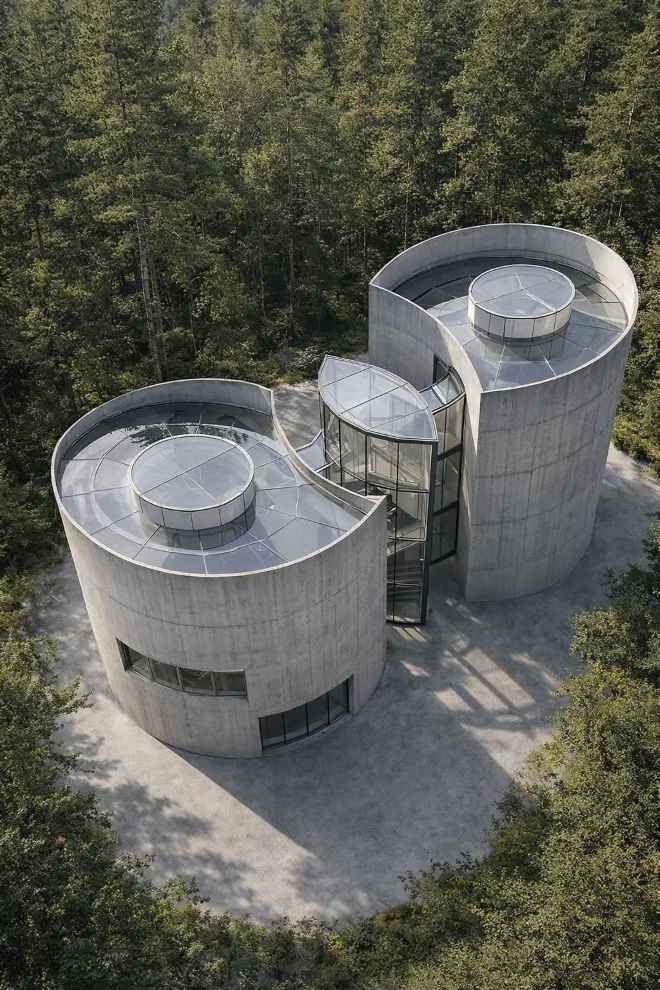
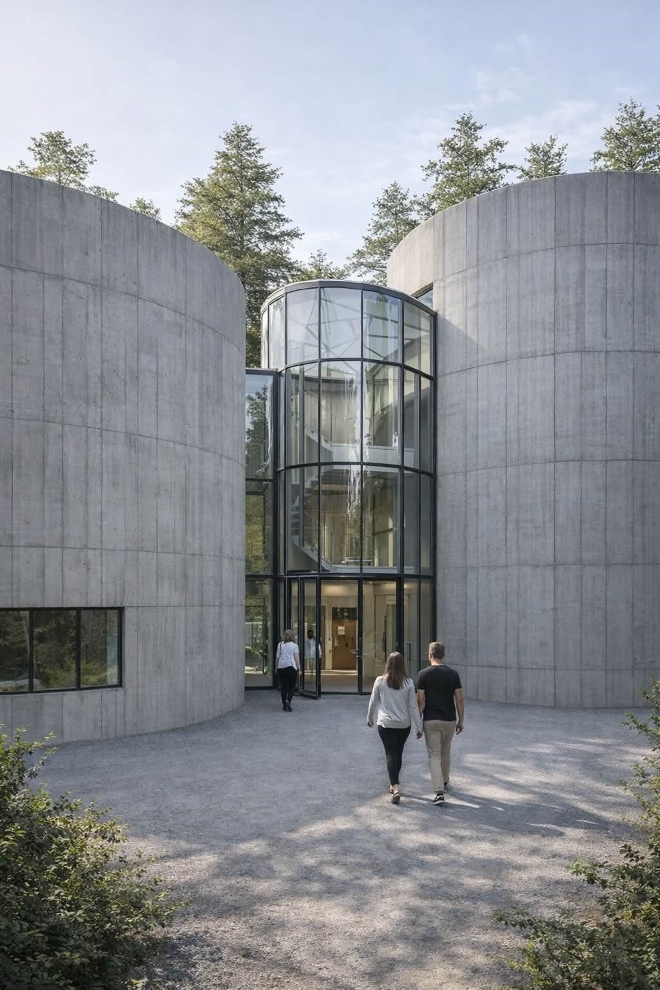
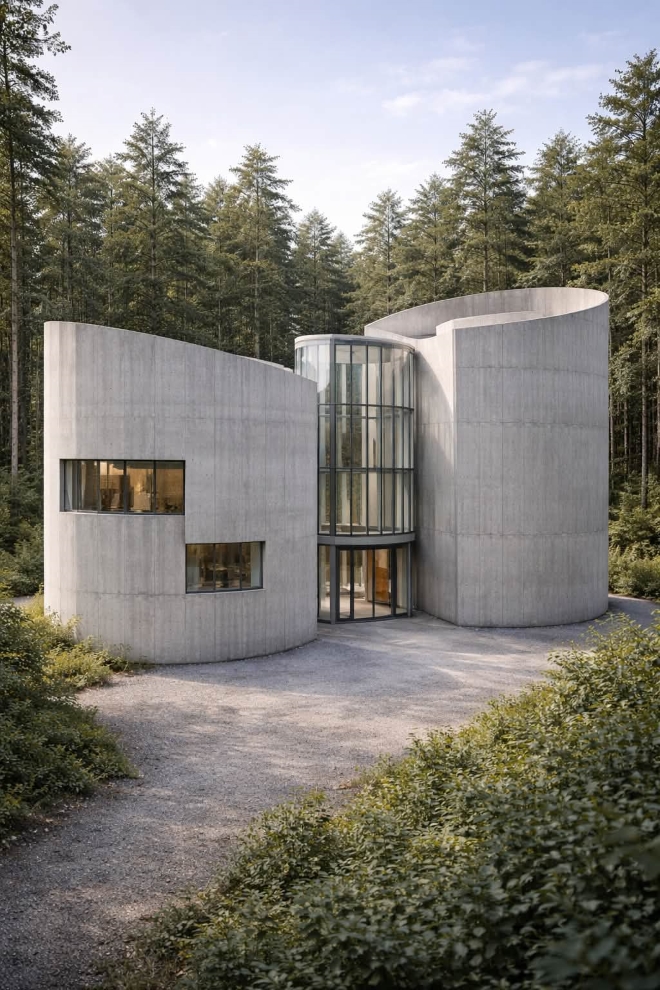
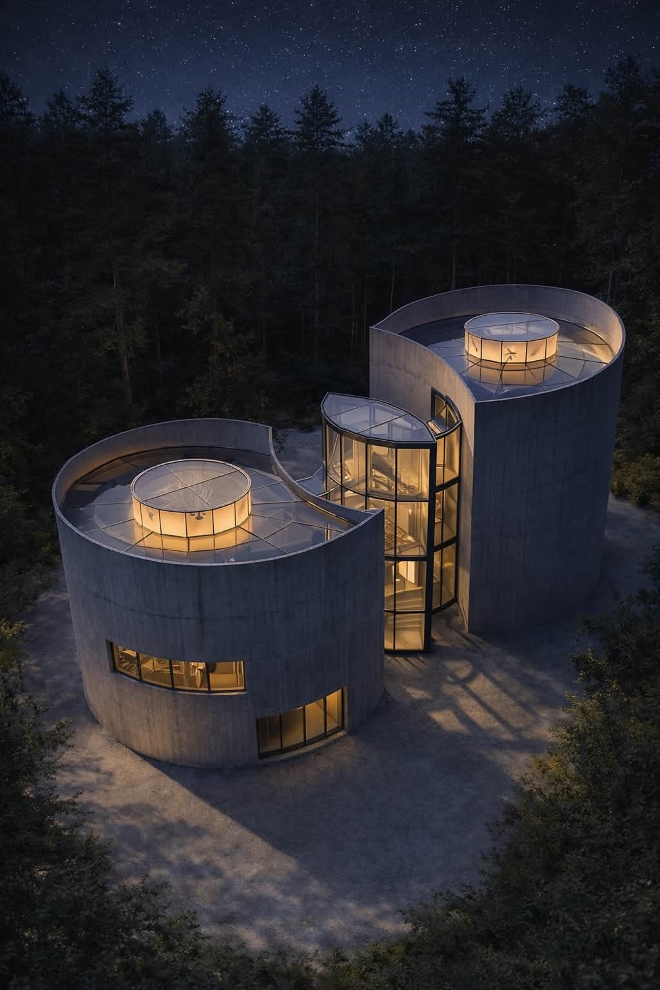
On the “Island of Remembrance”, two cylindrical buildings stand as calm yet striking figures in the landscape. Already visible from the road, they appear like a spatial exclamation mark: unfamiliar and at the same time inviting, timeless and quiet. The smaller cylinder accommodates the supporting functions of the memorial site — including the entrance to the permanent exhibition, café, cloakroom, seminar rooms, library, lecture hall and archive.

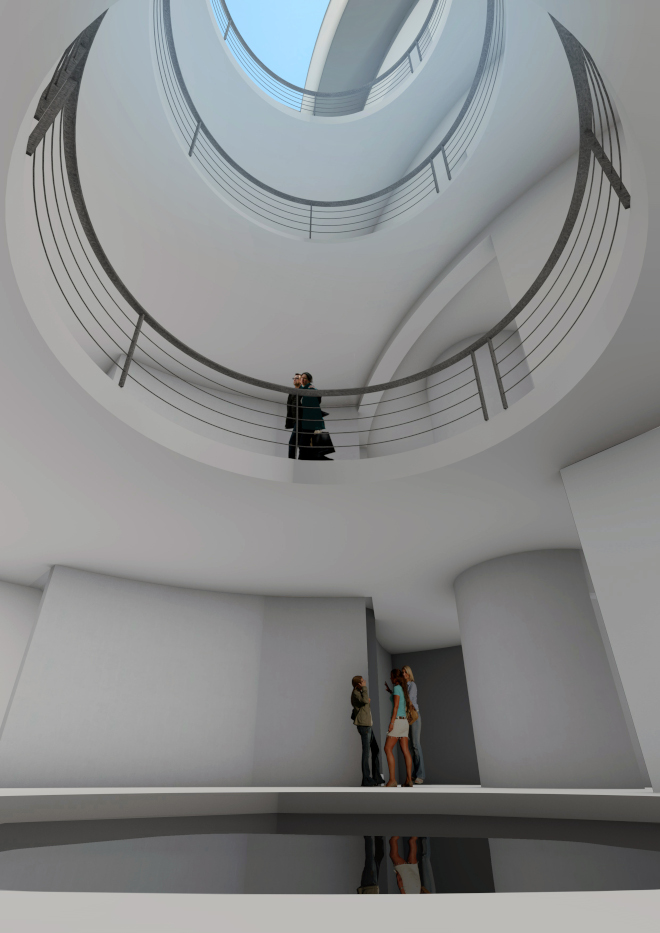
A glazed bridge leads into the second cylinder, the Void of Remembrance. Here, light enters the space from above. The gaze is drawn first to the water in the floor and then upwards through the levels to the open glass roof, beyond which only the sky is visible. Display boxes and columns tell the story of the site. On special occasions, the silent space becomes a resonant setting for music, memory and the present moment.

The “Island of Hope” complements this place as an area for encounter, communication and education. The Maison Olivier Messiaen offers space for creativity, retreat and shelter, while the theatre building is designed for events, theatre, cinema and concerts.

O’Brien’s design creates an ensemble that understands remembrance not as a closed chapter, but as a living process: history is preserved, questioned and carried forward into the future through cultural activity.

Services: HOAI work phases 1–3, basic evaluation, preliminary design, design, 2009–2012
Promoter and client: Meetingpoint Music Messiaen e.V., Görlitz
Building owner: Fundacja Centrum Wspierania Przedsiębiorczości w Zgorzelec

Columbia Concentration Camp Memorial

Columbia Concentration Camp Memorial

Artistic-architectural concept for marking and visualizing the historical site

The Columbia concentration camp was one of the first concentration camps at the time of the National Socialists and was located at the northern edge of the Berlin Tempelhof airport site, with whose construction it was demolished.

With the aim of making the building and this part of German history perceptible again in the public space, the “Topography of Terror” Foundation organized a design competition to which Ruairí O’Brien was invited to submit a proposal.

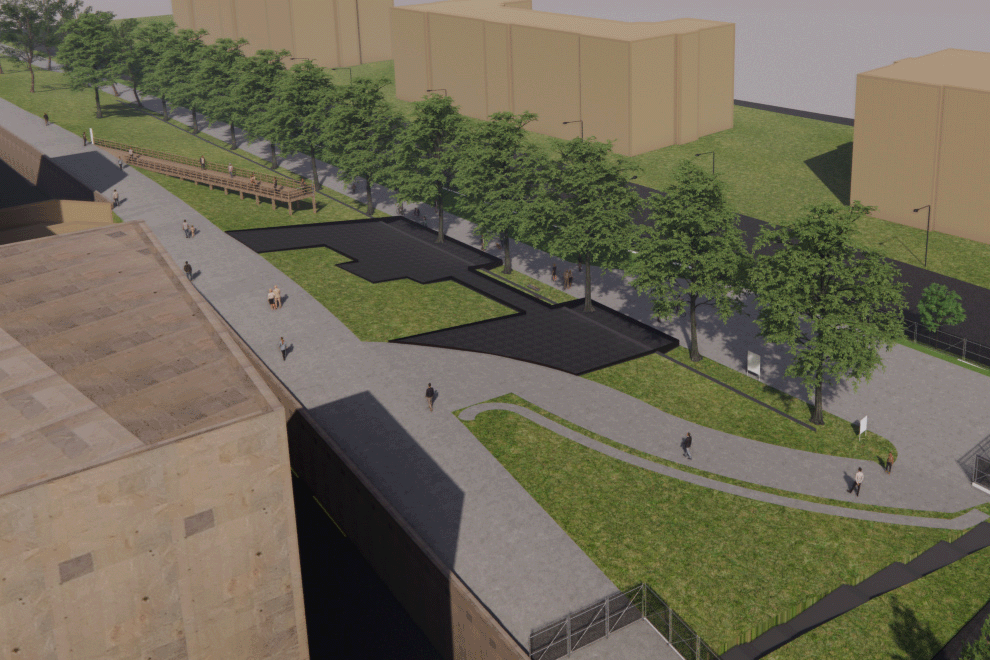
Our concept, which is in line with the preservation order and barrier-free, is purposefully kept simple. A band of Corten steel is used to mark the footprint and volume of the disappeared building in parts on the original site.

The entire area can thus be experienced in a multi-layered way. Through the prominent bridge and the large gravel surfaces, the area can be perceived on different levels. As the viewer moves, his perspective changes, creating new spaces for thought. At the same time, the footbridge is a signal with a long-distance effect that provides a distinctive reference to the memorial site and also offers the possibility of accessing the entire site.

Sponsor: Topography of Terror Foundation

Project partner: Slapa und die Raumplaner

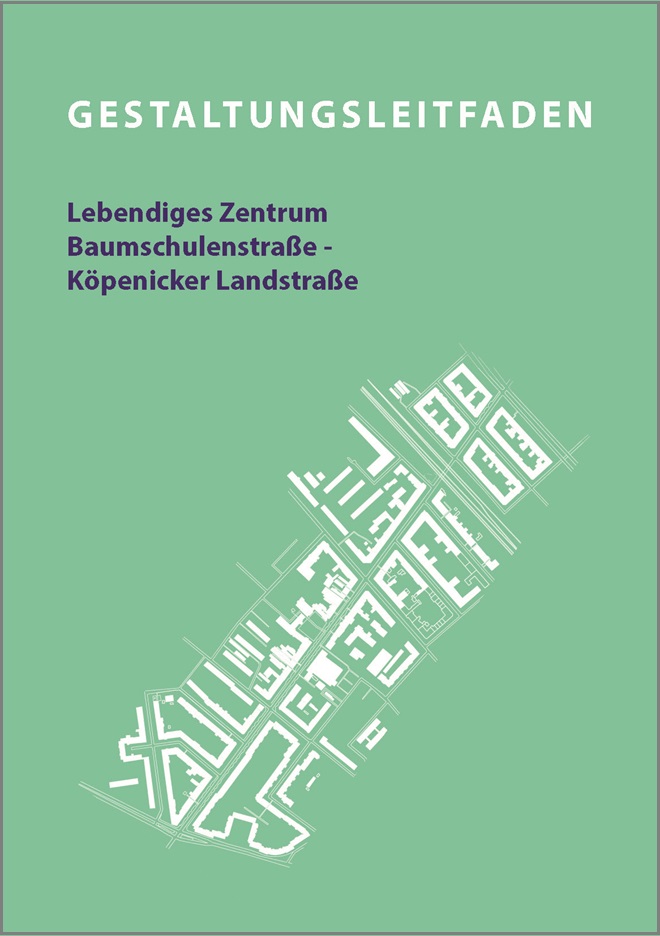
Design Guide Muellerstraße Berlin

Design Guide Muellerstraße Berlin

Design Guidelines for the Living Center Muellerstraße

Muellerstraße is located in the heart of the Wedding district of Berlin’s Mitte district. It is, with more than three kilometers, one of the longest shopping streets of the city.

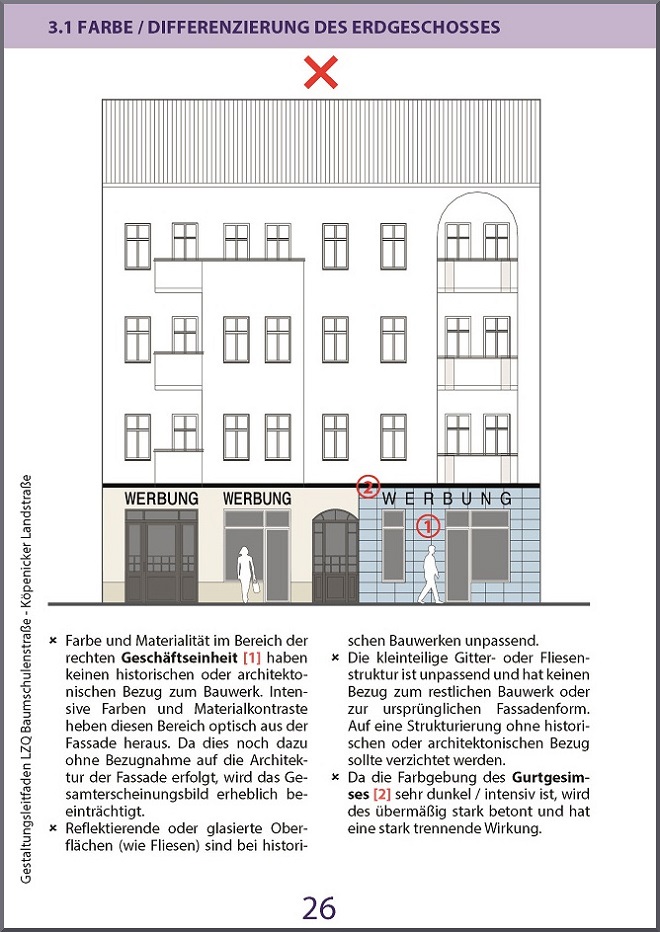
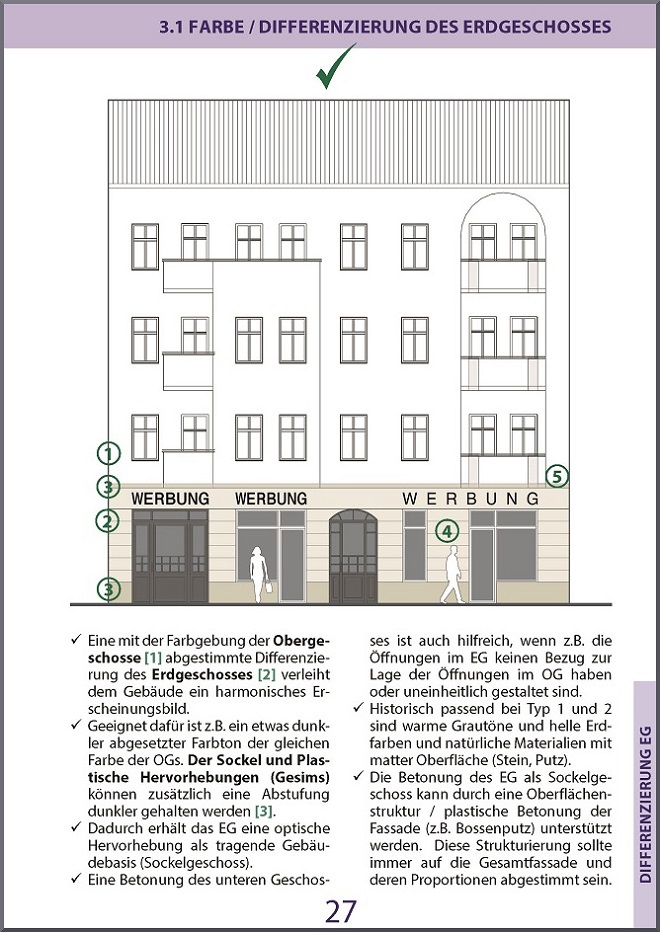
Cultural and educational institutions are grouped in the adjacent areas. Branches of large companies, specialty stores, service companies and gastronomic offerings characterize the urban and transcultural flair of Muellerstraße. The first floors of the buildings are almost always occupied by stores or restaurants. Often, the entire first floor zone of a building consists of a single store unit.

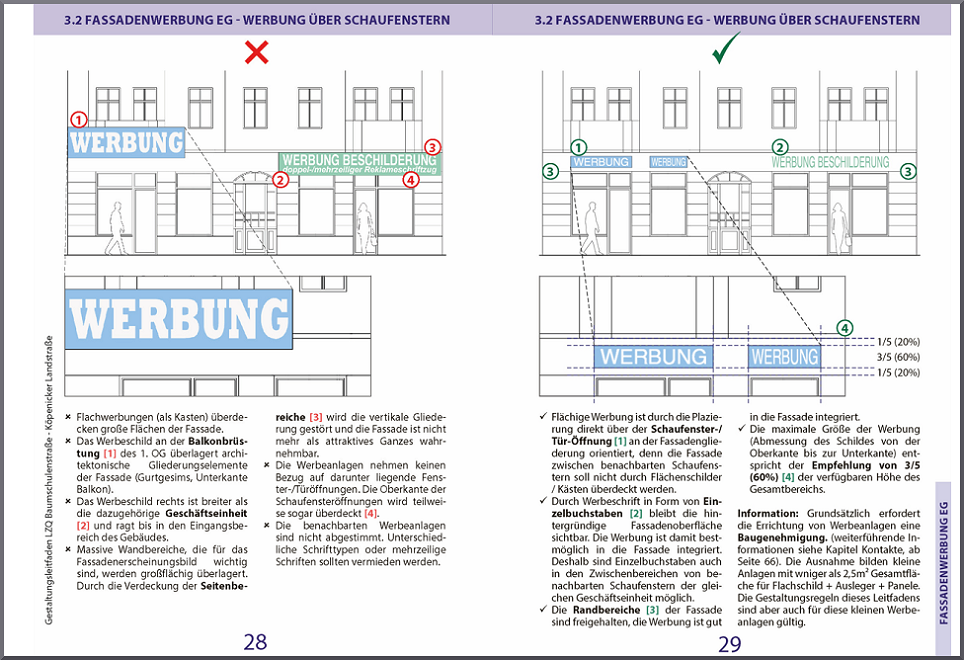
The original window and door arrangements of the historic buildings are often no longer recognizable. Structural changes to individual areas in keeping with the trend of the times or energy-related renovations have altered the original character of the facades. Temporary additions such as advertising signs or awnings are also often part of the determinants of the facade appearance of the structures and thus the streetscape itself.

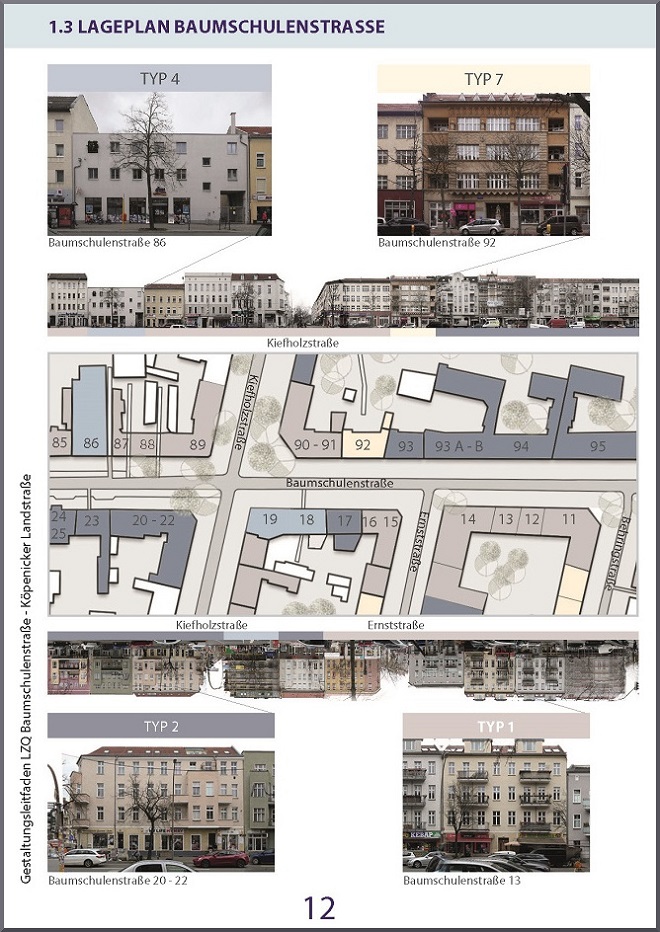
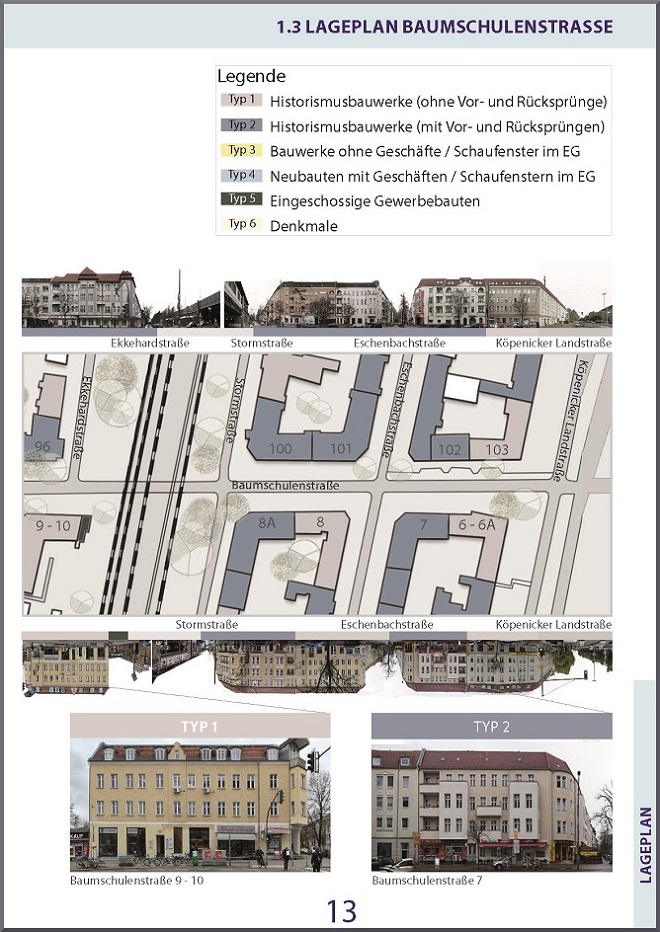
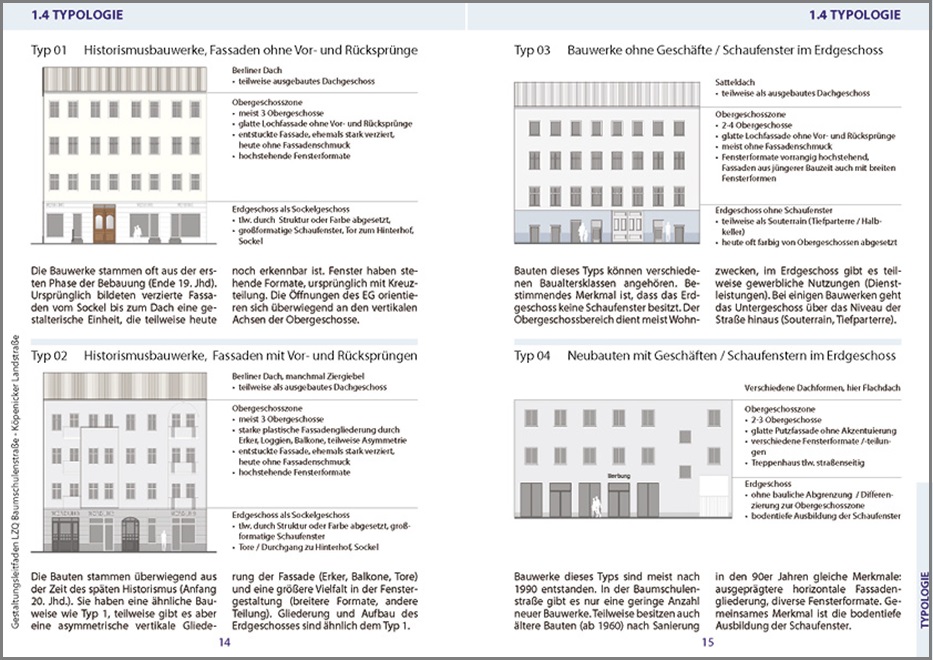
This design guide is an important building block in the future development of Muellerstrasse. It serves as a guideline for action in the redesign of facades or stores and functions as an advisory tool within the framework of the building consultation of the urban development office.

Everything from urban planning and architectural structures to details on buildings and light and lighting topics, such as advertising signs, window or color design were essential contents of our investigation and must be brought back into harmony in order to be able to develop a great design line for Muellerstraße. In this holistic approach, the micro level (details) and the macro level (the entire street) are placed in context with each other in an analytical-planning manner, and a system is developed from this, with the help of which a structured implementation of the guiding ideas can be guaranteed.
The design guide can be downloaded here.
House Bramsch

House Bramsch

Individual single-family house / architect’s house

Haus Bramsch is a distinctive architect-designed house in the classic modern architectural tradition, whose architecture brings together the individual habits, desires, preferences and lifestyles of the owners in a harmoniously elegant design. House Bramsch is planned in advance as a flexible, open or closed living concept and is thus also compatible with future changes in the needs and living situations of its residents.

Living space: 120m²

Services: HOAI Lph 1-8

Client: private

House 62

University Hospital Dresden, House 62

Redesign of the Corridor Areas, Lighting and Color Concept

On behalf of the University Hospital Dresden, we developed and implemented a redesign of the corridor area in accordance with current usage requirements in parallel with the planning of structural fire protection measures. The false ceiling and the floor were renewed, and interior walls were partially modified. An attractive color and lighting concept was developed in line with the corporate design. The positioning of the luminaires visually expands the corridor and also illuminates the exhibition design within the wall area.