Exterior lighting at St. Joseph Stift Hospital, Dresden

Exterior lighting St. Joseph at Stift Hospital, Dresden

Lighting concept west wing hospital, Dresden

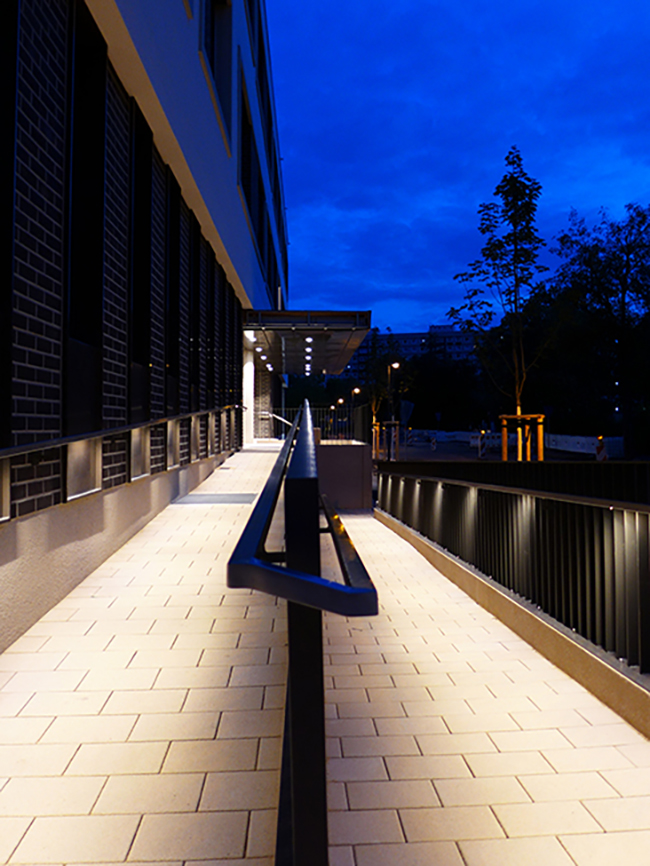
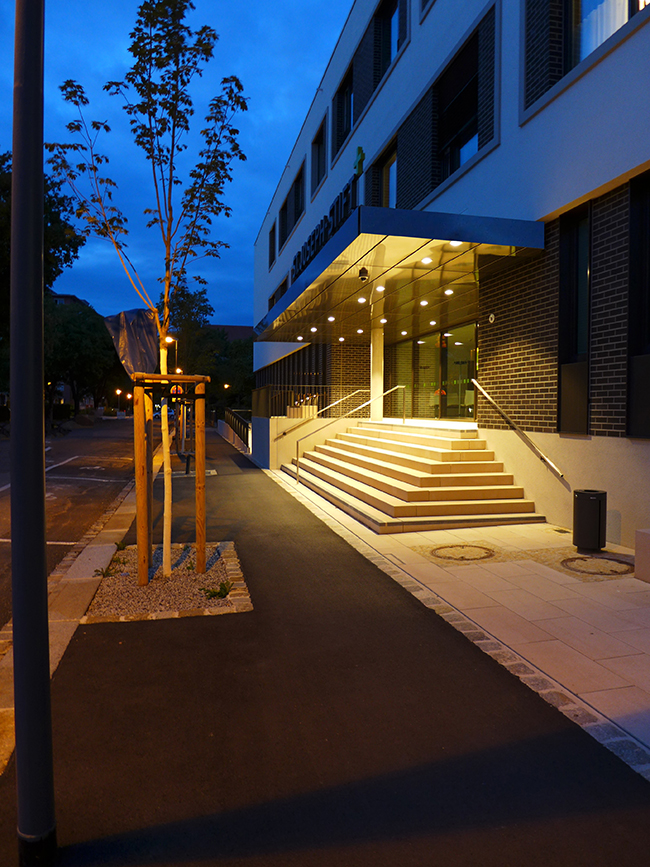
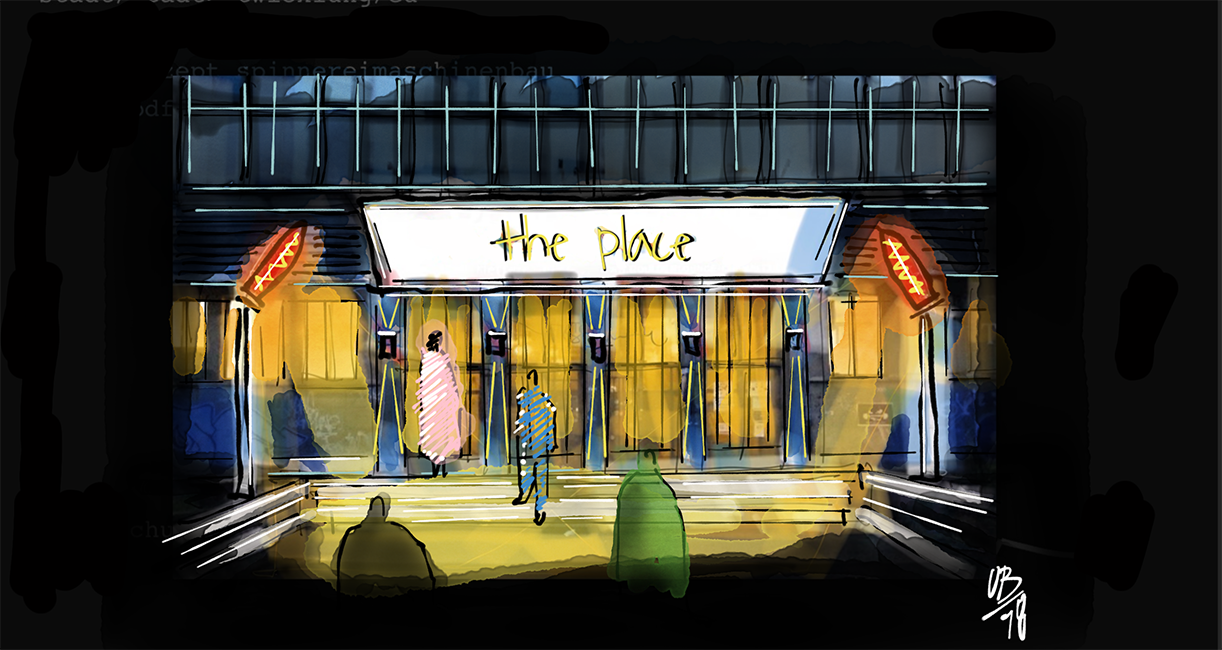
By 2018, the St. Joseph Stift Hospital in Dresden built the new West Wing. With this future central outpatient clinic, an important new main frequency point of the hospital was created. Ruairí O’Brien developed the lighting design and a holistic orientation system for the exterior of the hospital.
For the exterior lighting, we considered this new hospital area in five local areas / spaces with different functions and developed appropriate lighting proposals for each.

  • Access and entrance area emergency ambulance (night entrance, ambulance access)
  • Entrance underground parking
  • Bicycle parking
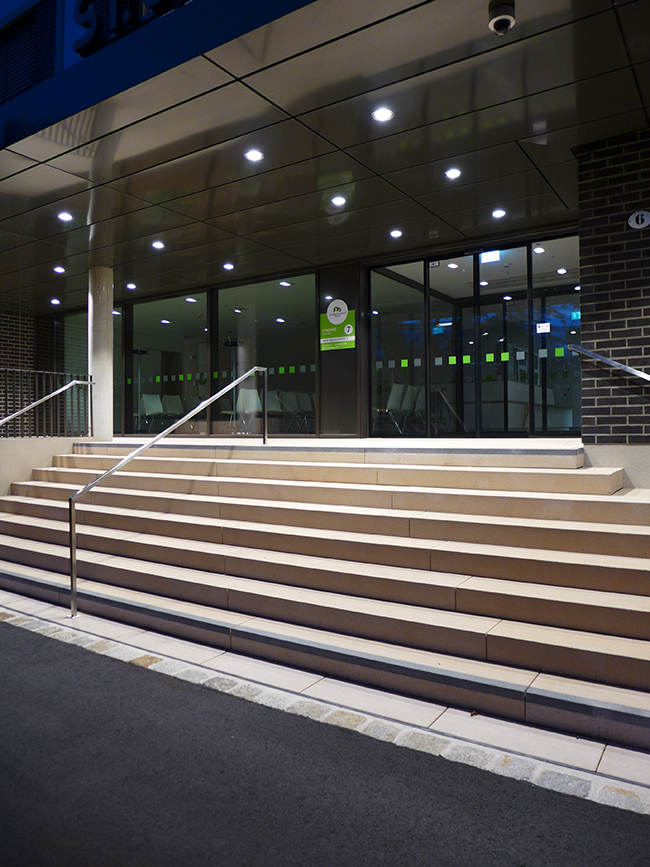
  • Entrance area with canopy, external staircase, ramp
  • Patient garden
  • Entrance to residential area for nuns

In addition to supporting the various functions, our lighting design also takes into account the legal lighting requirements and the optimal fulfillment of safety aspects, such as a glare- and shadow-free design for the lighting of circulation areas, good facial recognition and optimal illumination of the space. Supporting the hospital’s new exterior orientation system was another design concern. Different brightnesses, colors of light and accentuations, e.g. of the entrance, creating a lighting hierarchy that supports intuitive human orientation. For the canopy as an asymmetrical element, we proposed a lighting design that supports its architecture and creates a strong visual connection between the exterior and interior. The entrance becomes more easily perceived as such from far and near.

SKD Museum Laboratory

SKD Museum Lab

Interactive Museum Project for the Dresden State Art Collections

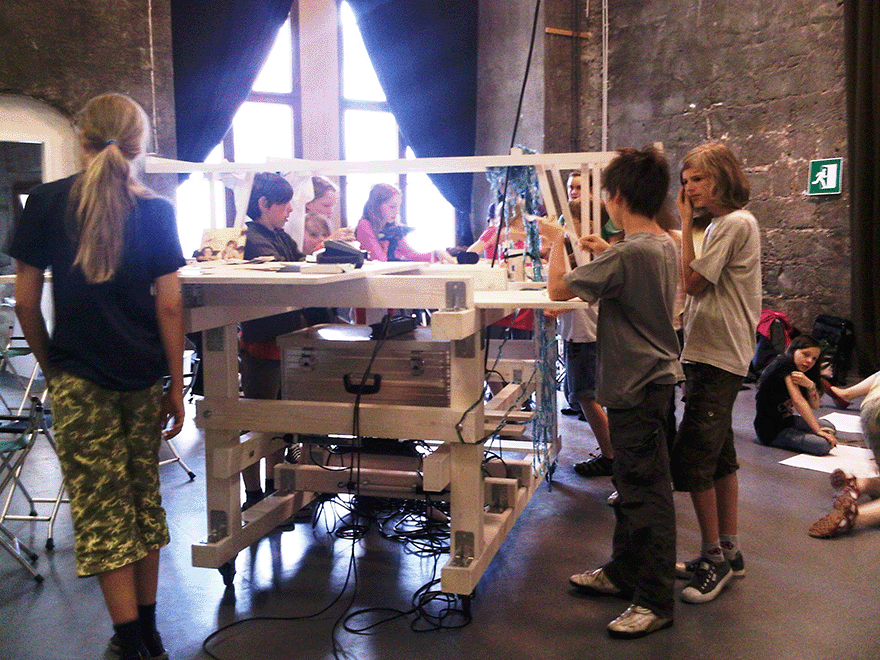
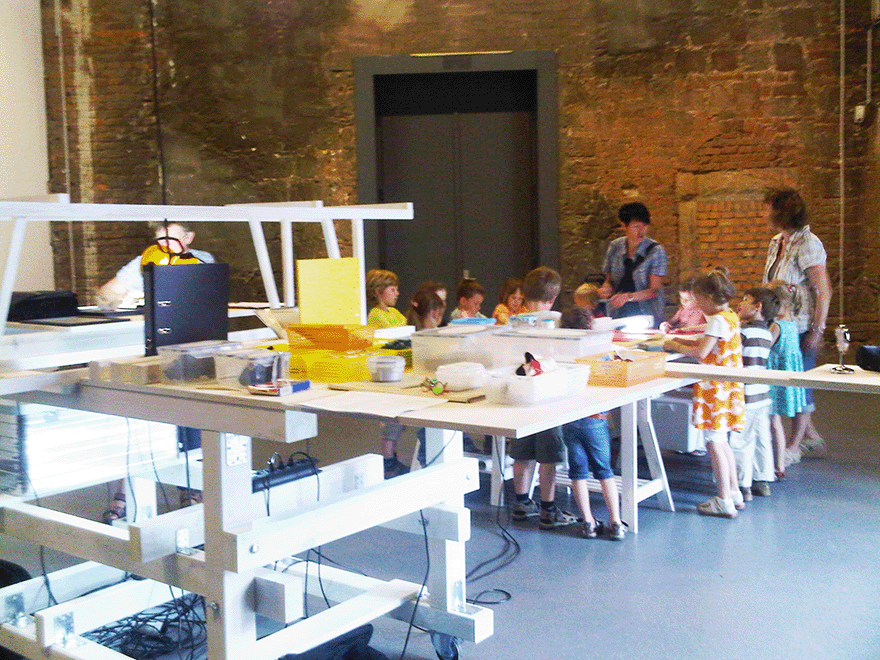
In order to make it possible for students of different ages to actively experience how a museum collection is created, architect Ruairí O’Brien developed the “Museum Lab” as an extracurricular learning opportunity for students on the occasion of the 450th anniversary of the Dresden State Art Collections in 2010.

Extracurricular learning venues have complemented and extended primary instruction in schools since the beginning of the reform education movements. As important mediators of cultural education, museums represent special out-of-school learning venues. To enable students of different ages to actively experience how a museum collection is created, Ruairí O’Brien developed the “Museum Lab” as an extracurricular learning opportunity for students on the occasion of the 450th anniversary of the Dresden State Art Collections in 2010.

The centerpiece: an interactive sculpture

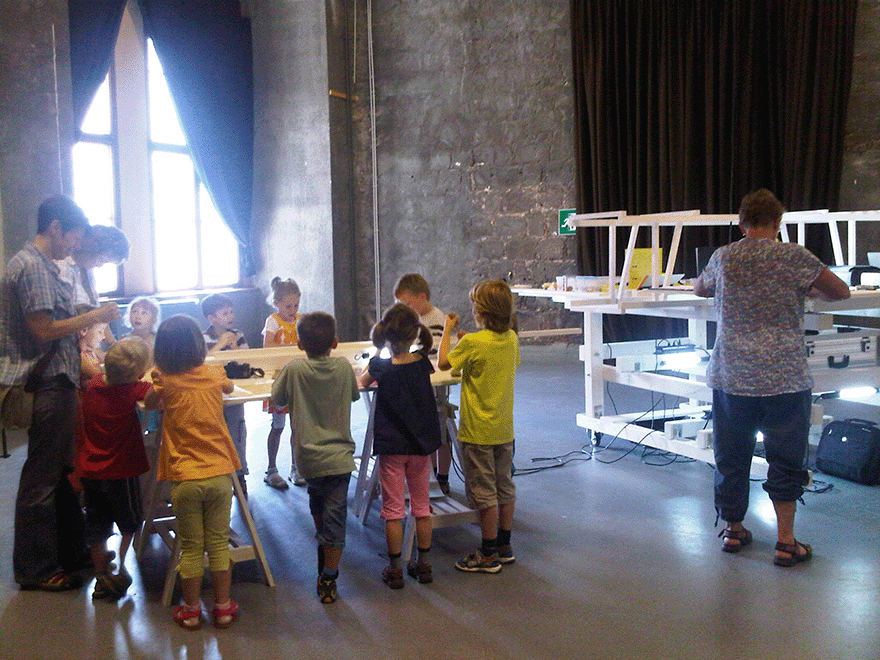
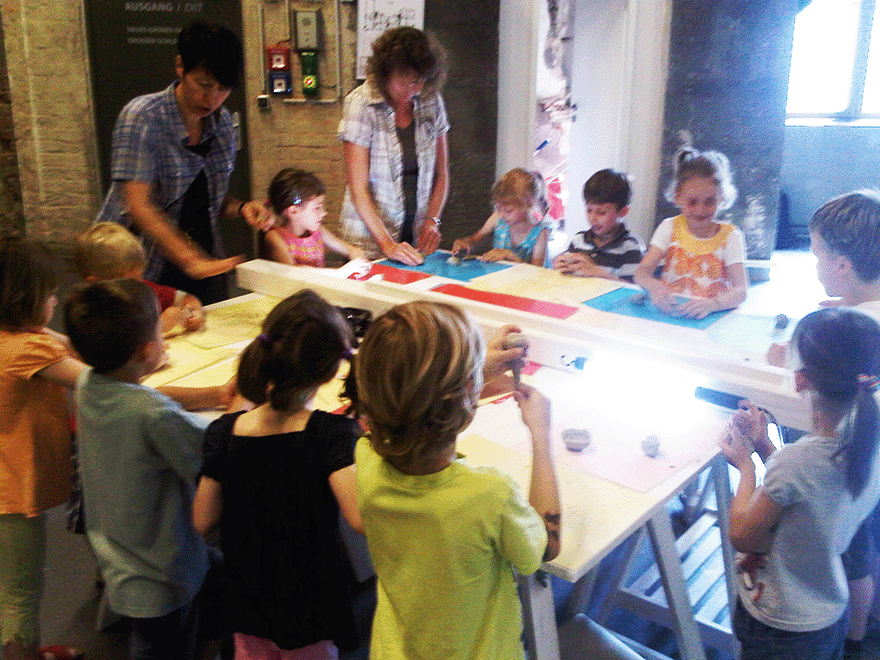
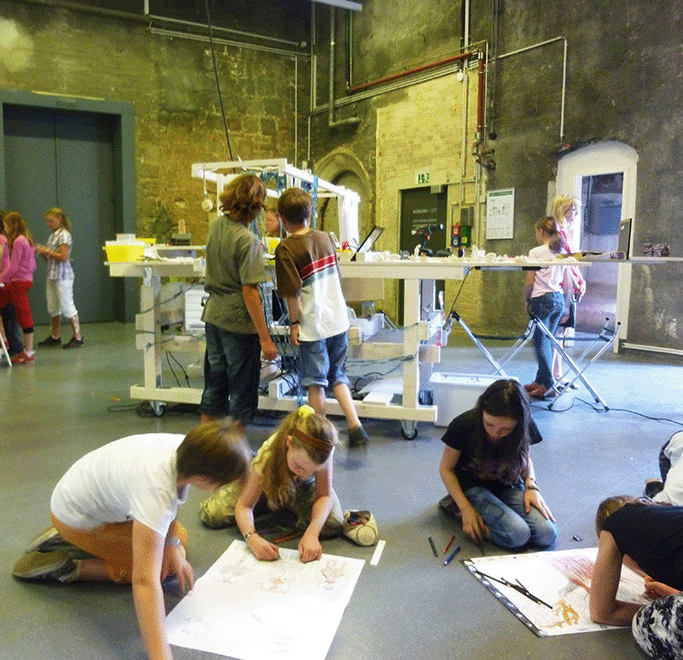
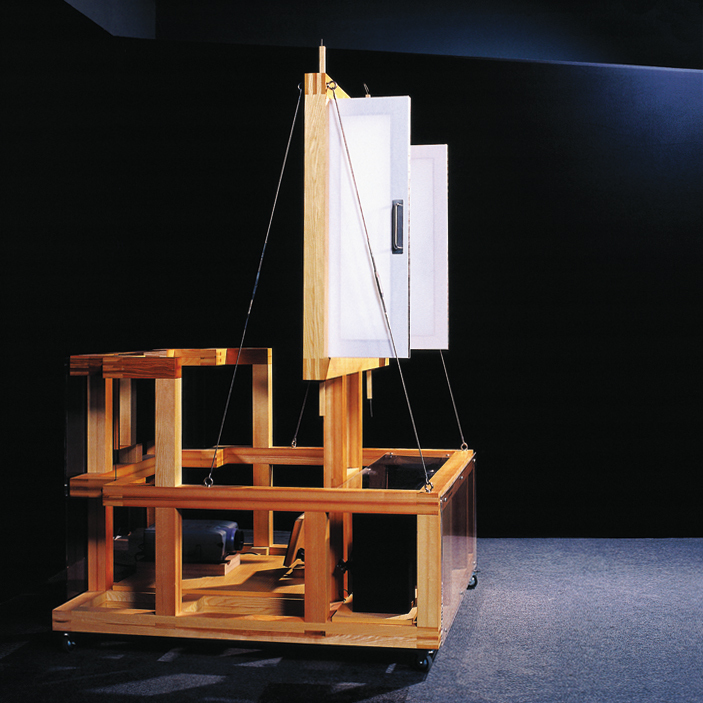
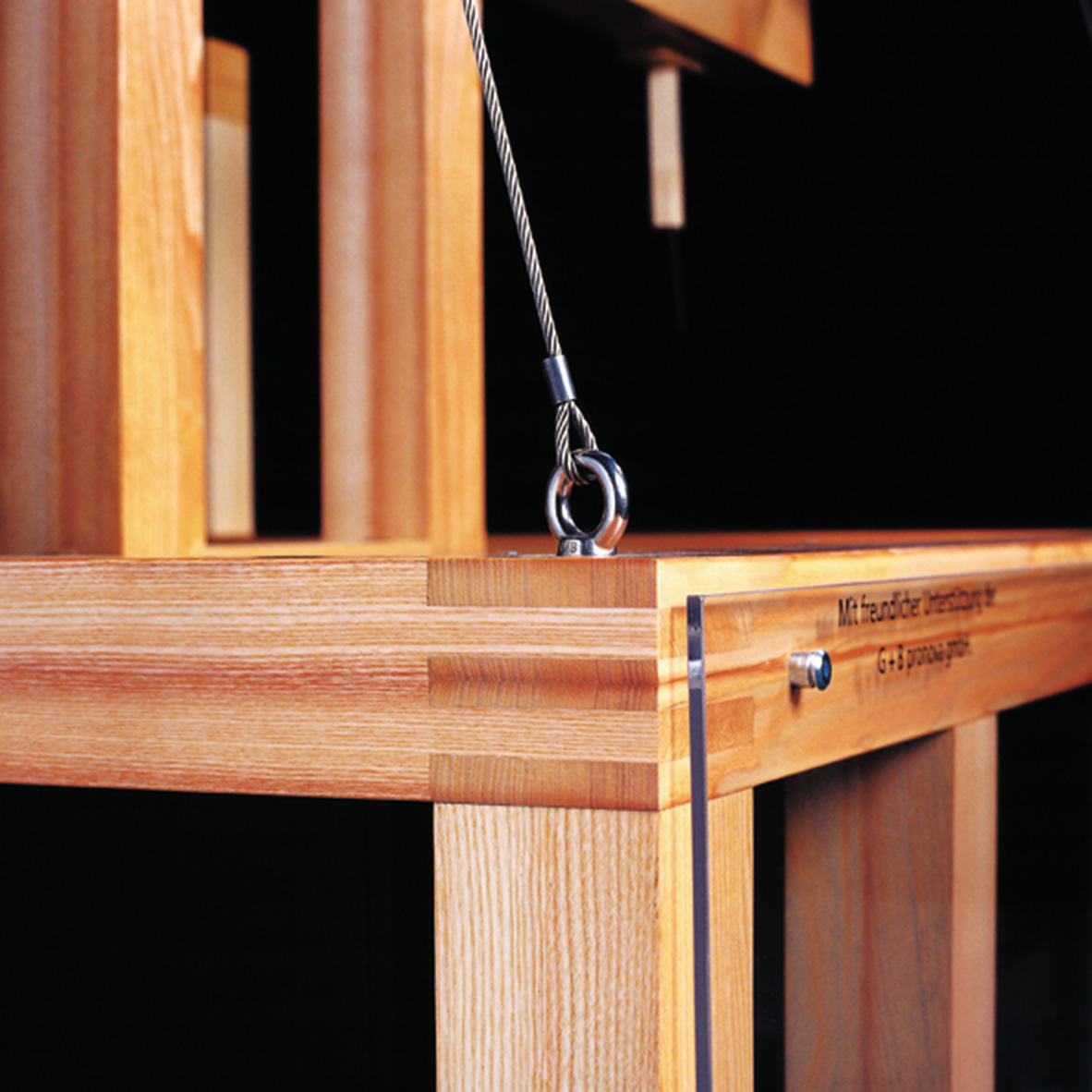
The centerpiece of this special learning environment is an interactive sculpture designed by O’Brien, which served as an experimental collection and presentation surface. In five successive workshops, different groups of students dealt with the themes of “Creation,” “Desire,” “Inquisitiveness,” “Confrontation,” and “Radiance,” thus working through the developmental stages of a museum collection in a playful, compressed form.

Learning big things on a small scale

Each group first dealt with the results of the previous group’s work and then worked on them further. The students experienced “in fast motion” what it means to create a complete work over several generations and to deal responsibly with cultural heritage. This gave them a playful introduction to the institution of museums and allowed them to reflect on the role and significance that museums have for themselves and for society.

More info at: www.skd-museumslabor.blogspot.de


Marketplace Torgau

Marketplace Torgau

Lighting for marketplace and town hall

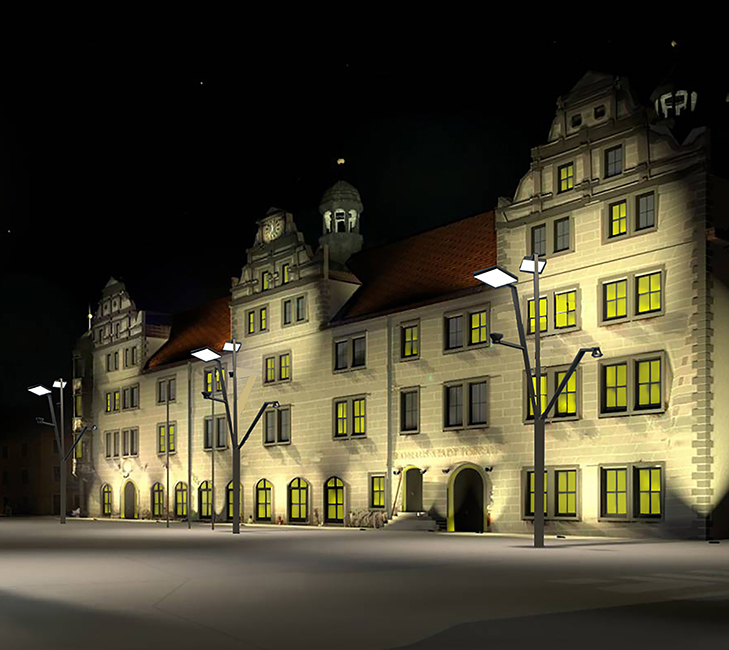
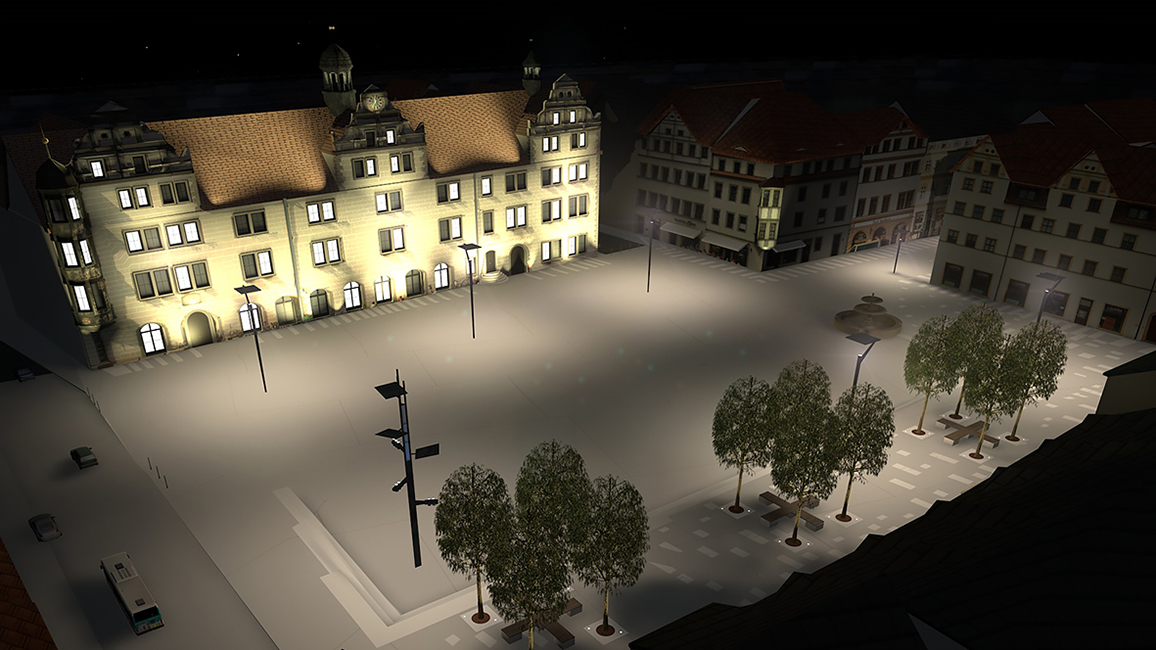
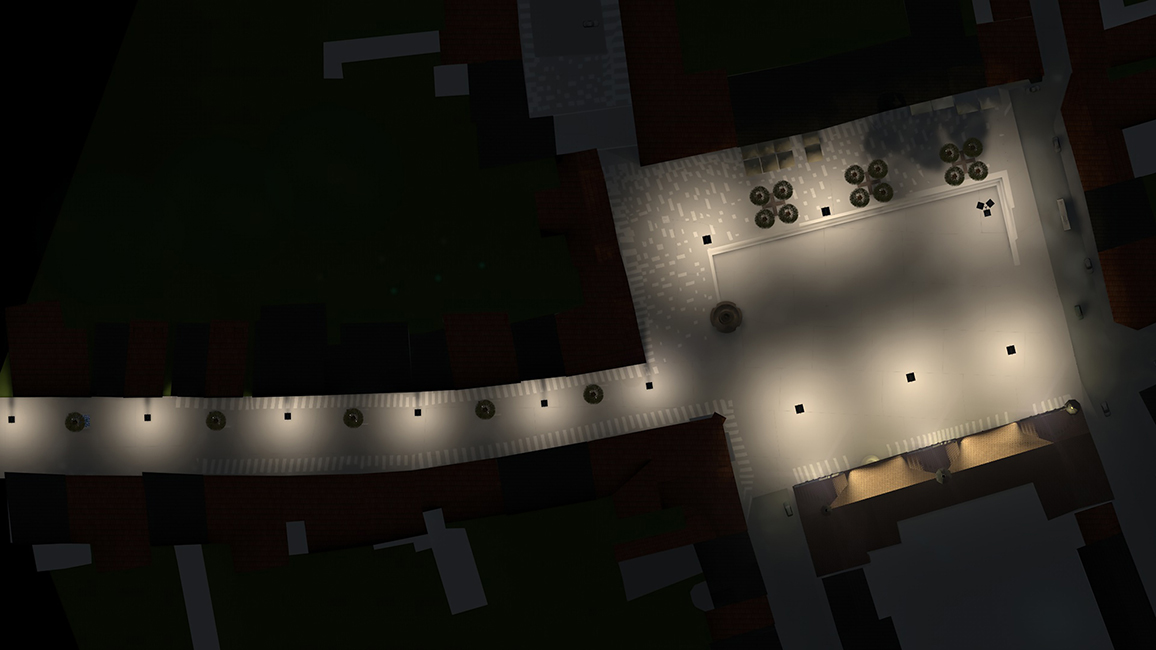
For the city of Torgau we developed lighting proposals for a contemporary individual illumination of the market place, the town hall and the adjacent central streets within the scope of the redesign of the illumination of the historic city center.

The concept respectfully integrates the lighting into the valuable historic townscape.

Interactive Space

Interactive Space 3+4

Architectural-theater-dance- project at Projekt theater Dresden

Movable boxes of one square meter size with dancers moving in and out of the spaces, which can be stacked and changed to create a variety of scenes.
Questions like: How much space does a person need or does the interaction of humans with their built environment affect our interaction with each other.
Inside and outside, day and night, light and darkness, safety and risk, communication and non-communication, loneliness and togetherness were all part of an “architecture dance.”
The Architecture Theater Dance Project was performed at the Project Theater in Dresden. Visitors moved freely through the architecture city / landscape and interacted with the dancers. The boxes were examples of simple low-budget and affordable architecture.

The production is Ruairí O’Brien’s first “Microarchitecture” project and the precursor to his micromuseum® series.

Open Spaces Pirna Sonnenstein

Open Spaces Pirna Sonnenstein

Landscape Architectural Concept for Fallow Land

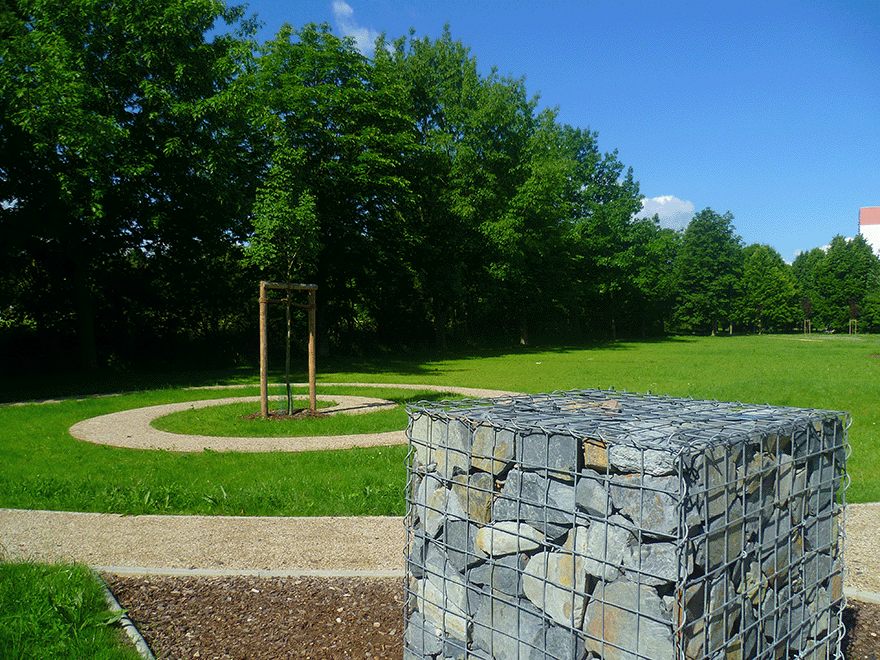
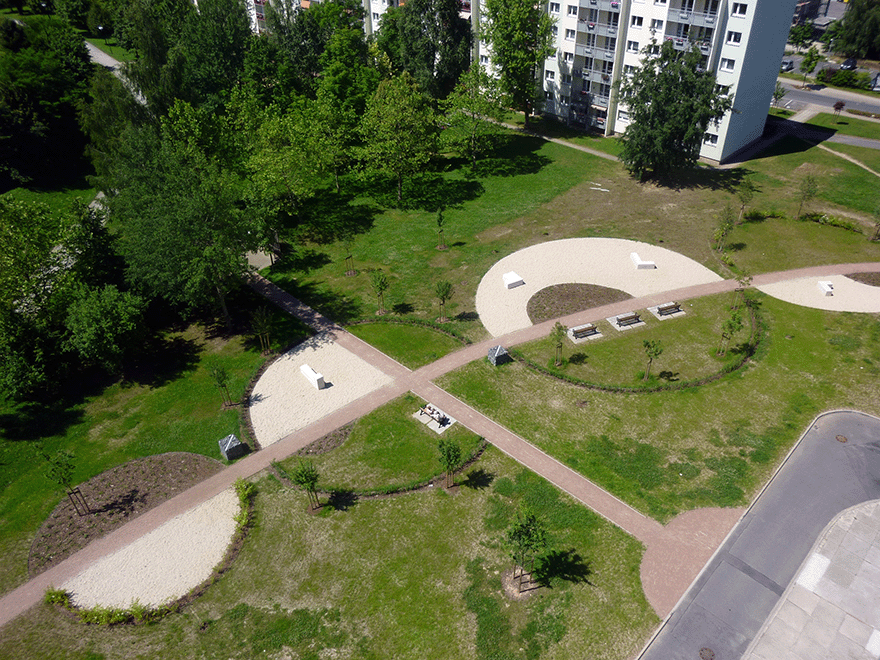
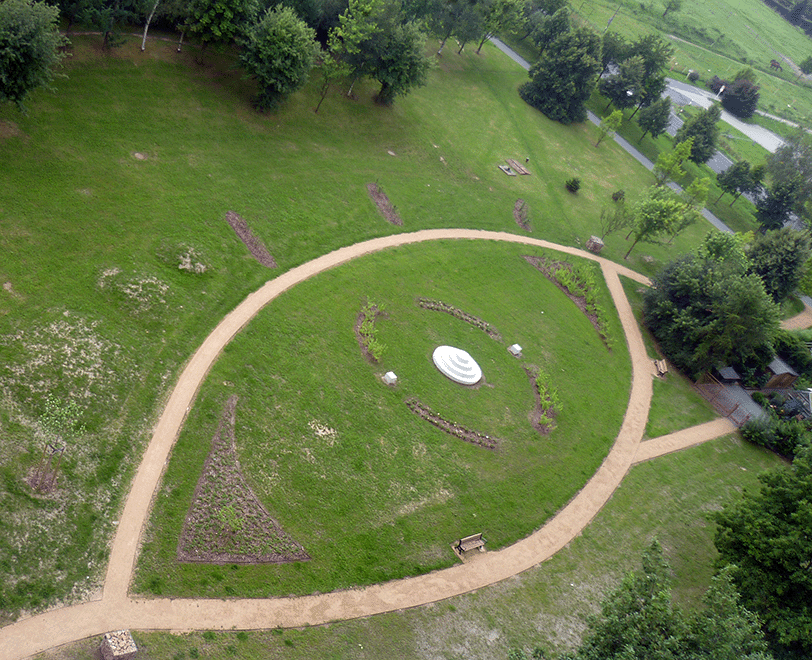
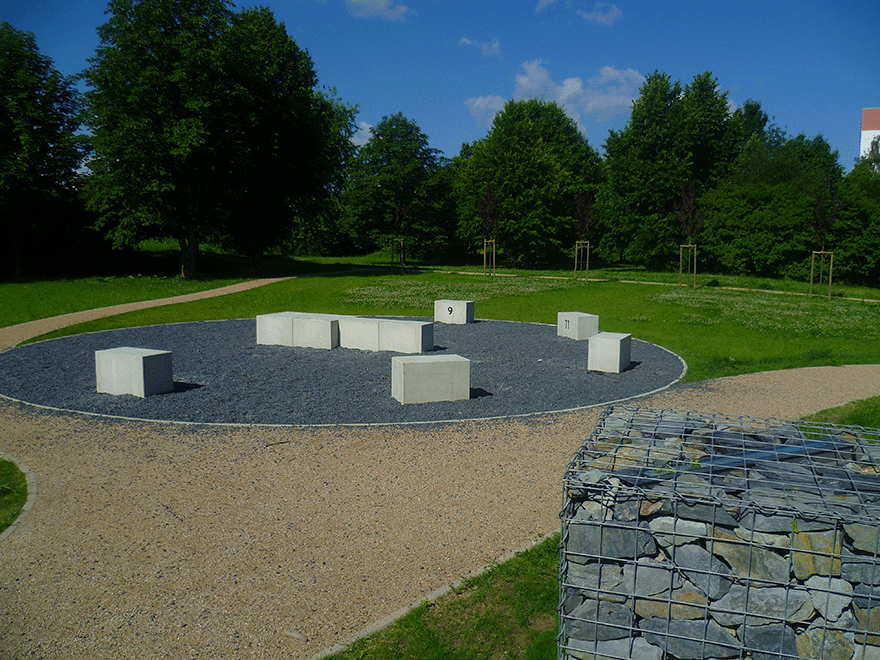
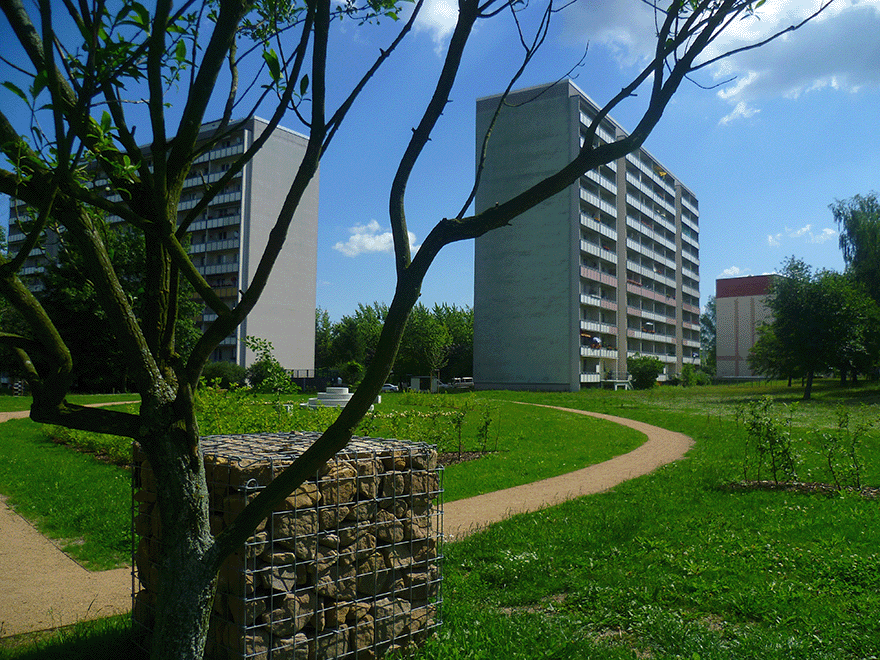
As part of the urban redevelopment of the Sonnenstein district of Pirna, one of the 17-story high-rise apartment buildings was demolished, and the resulting brownfield site was made available for the upgrading the residential environment, which is not without problems.

O’Brien’s design for the design of the public open space contrasts the orthogonal austerity of the slab buildings with a more dynamic geometry that features four circles as a basic motif in reference to the different seasons.

Services: HOAI LP 1-8
Client: Städtische Wohnungsgesellschaft Pirna mbH

Lighting Concept House 1, University Hospital Dresden

Lighting Concept House 1, University Hospital Dresden

Façade lighting concept for the central administration building

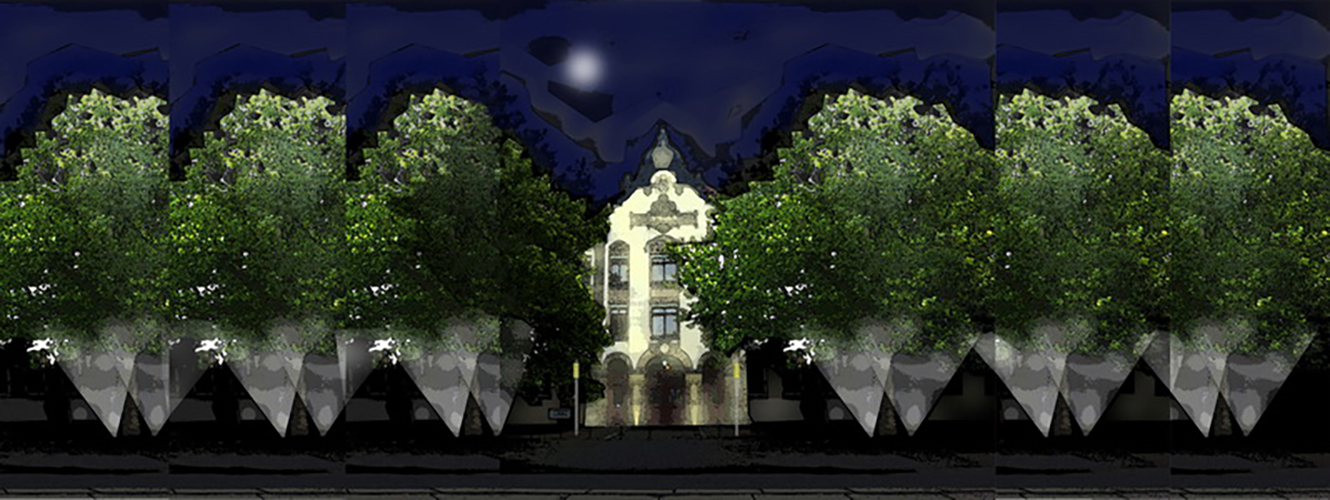
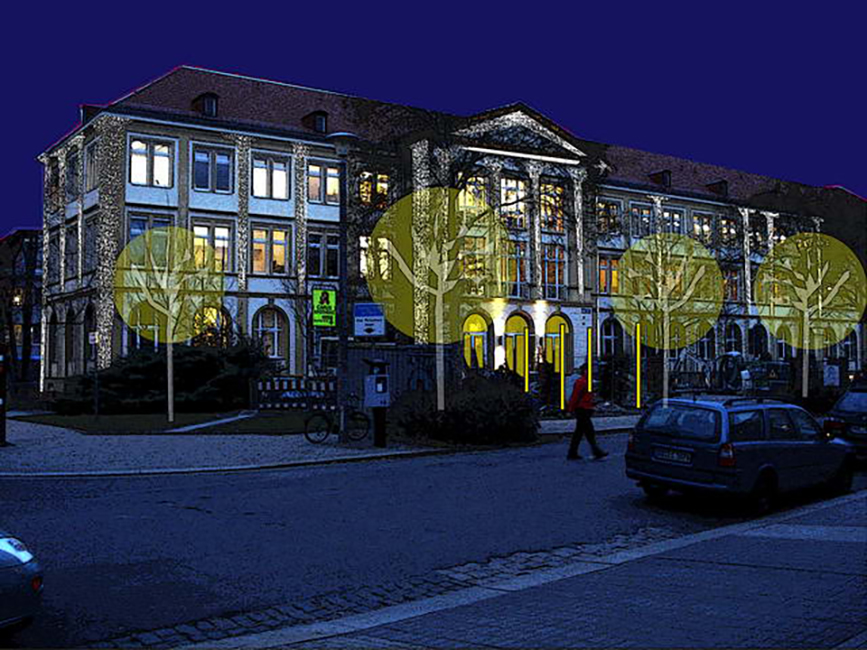
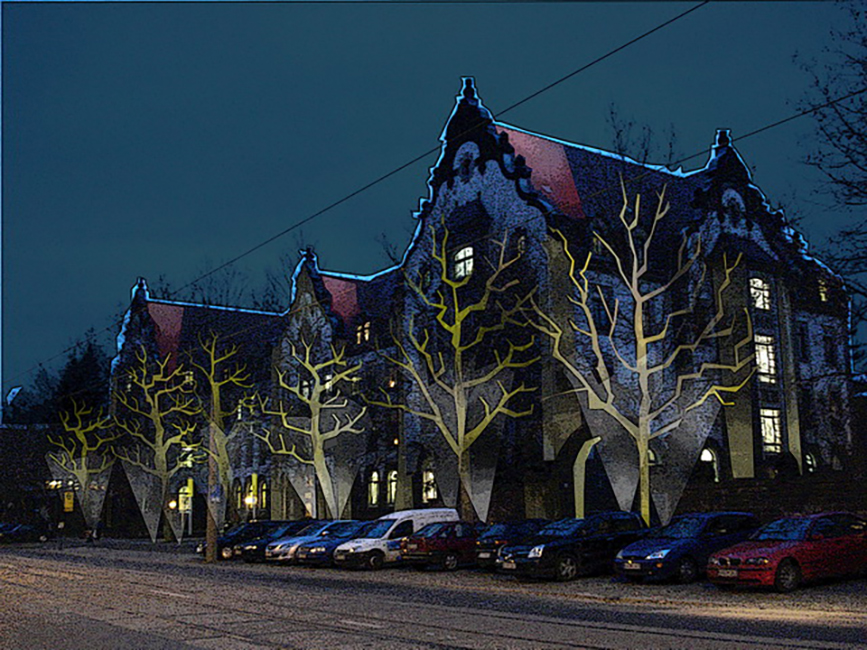
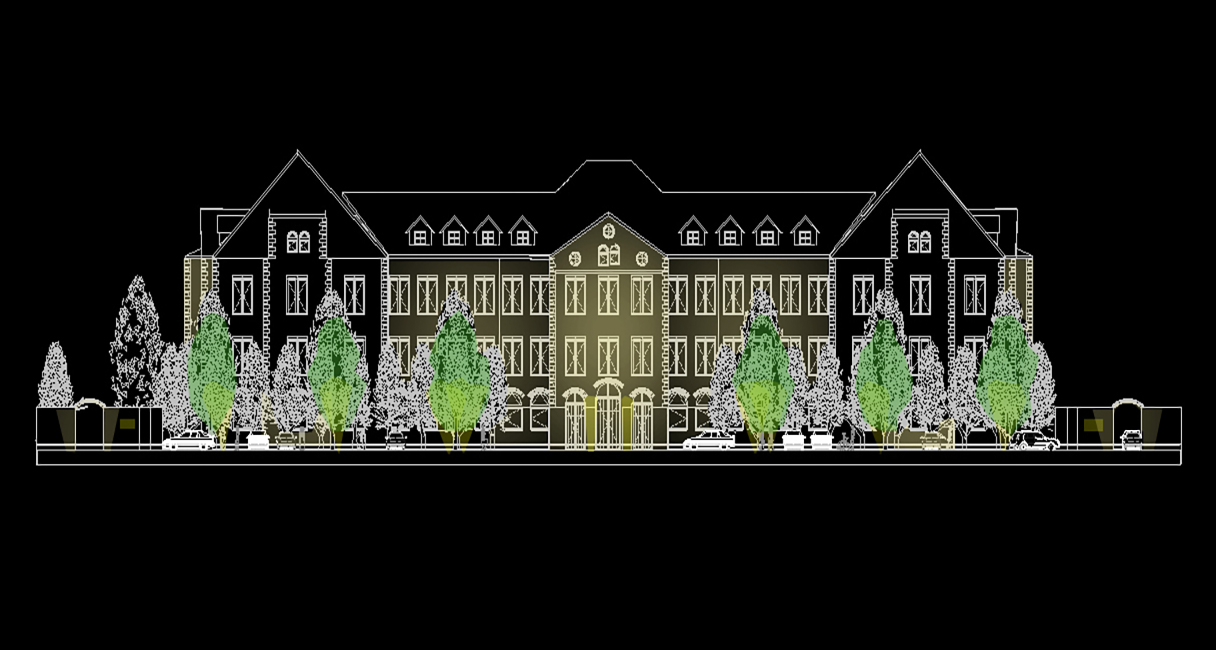
The main focus of Ruairi O’Brien’s lighting concept was on the central administration building of Dresden University Hospital. The carefully accentuated illumination of the façade and the roof, which was approved under monument protection law, increases the perceptibility of the building and thus does justice to its central importance.
Elements in the surroundings, such as the pedestrian entrance and the avenue of trees in front of the main portal of the building, were also integrated into the lighting design.

Hologram Machine German Hygiene Museum

Hologram Machine

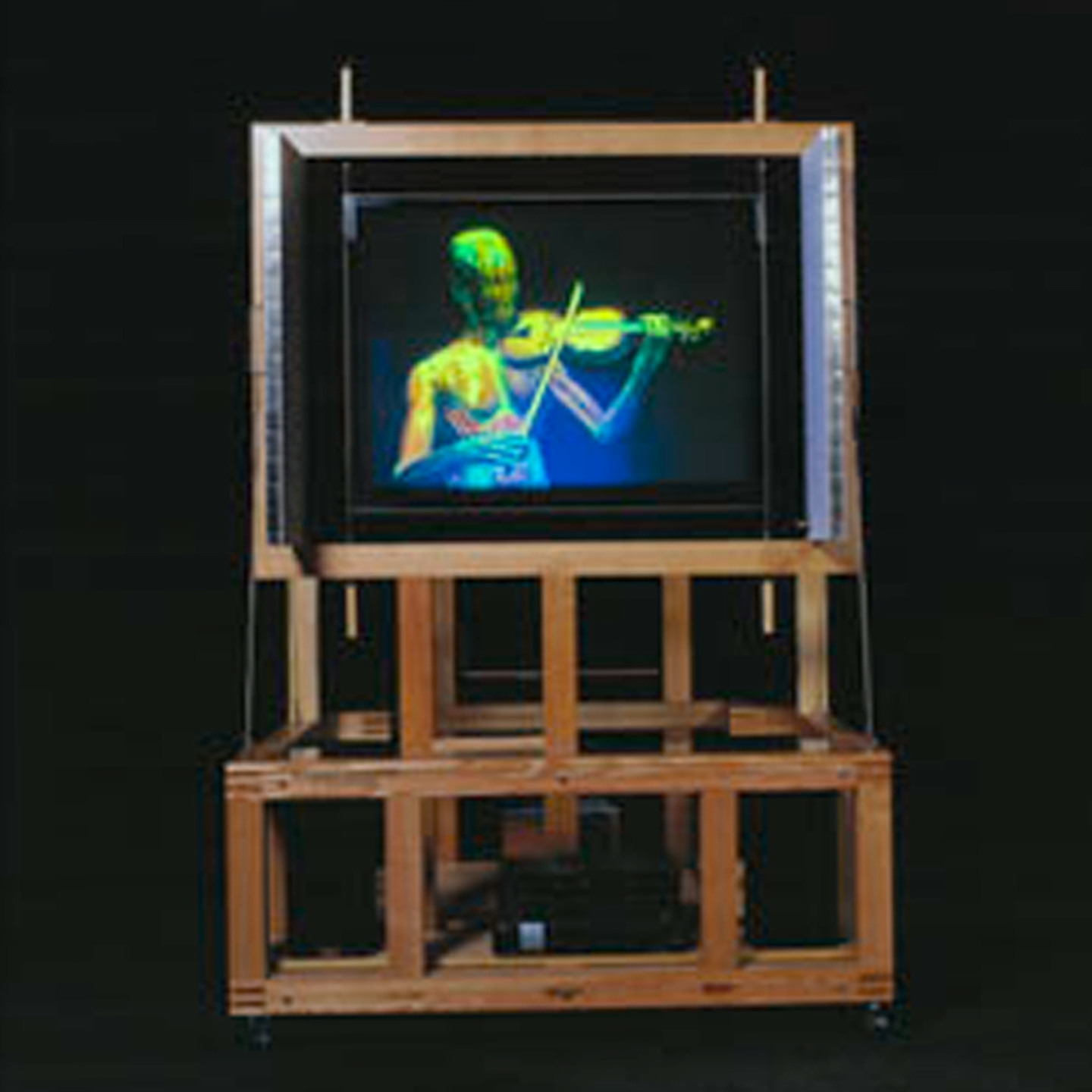
Holographic Exhibition Module for the German Hygiene Museum, Dresden

The architectural concept conveys the history of the building in the mirror of its leading objects. The human being as a body that can be disassembled and made transparent is compared to architecture and inspired by it (structural representation of skin, skeleton, organs; proportions, symmetry / asymmetry etc.). The wholeness of the human body, assembled from individual parts, corresponds to the interplay of architectural modules, each of which, as a microarchitectural, self-sufficient element, at the same time forms a part of the whole. A first module, the architectural installation “Winged Altar” for the “Anima” returning from EXPO 2000, was already on display at the German Hygiene Museum.

Client: German Hygiene Museum Foundation

Light Concept for Spinning Machine Factory Chemnitz

Light Concept for Spinning Machine Factory Chemnitz

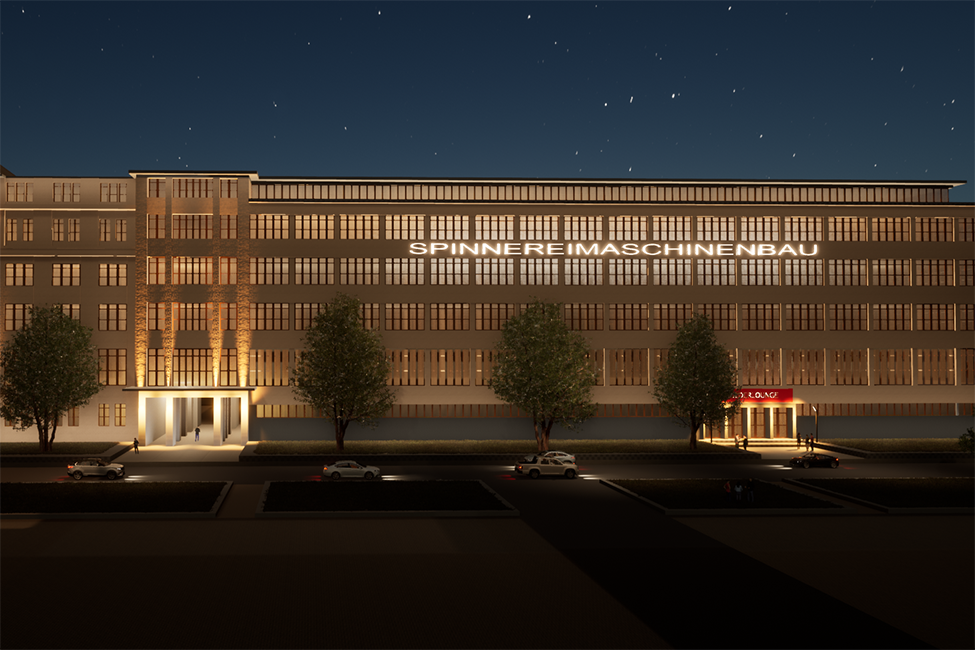
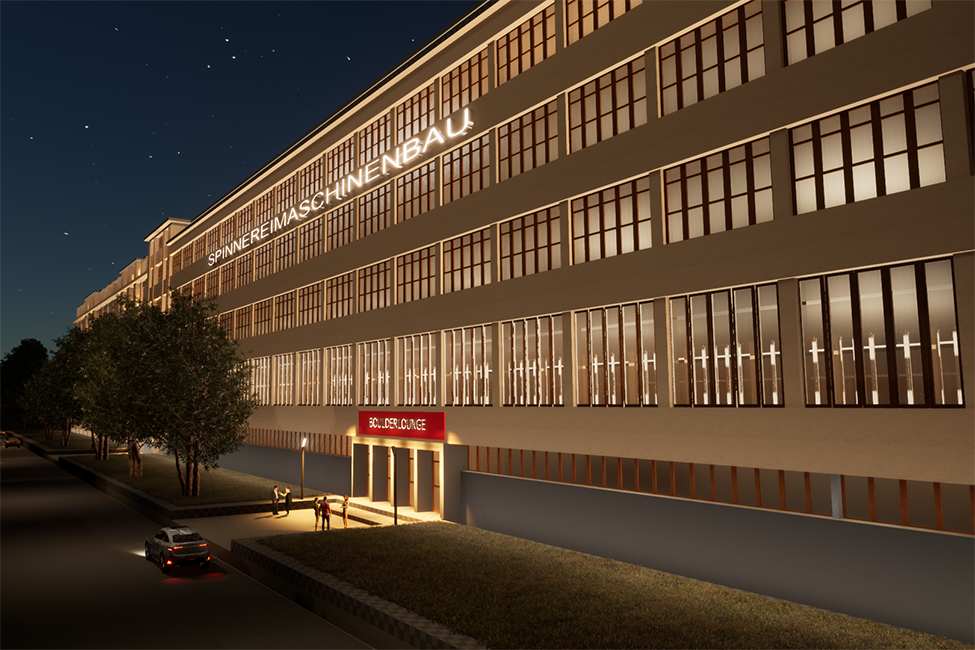
Lighting concept and lighting master plan for a historic industrial monument

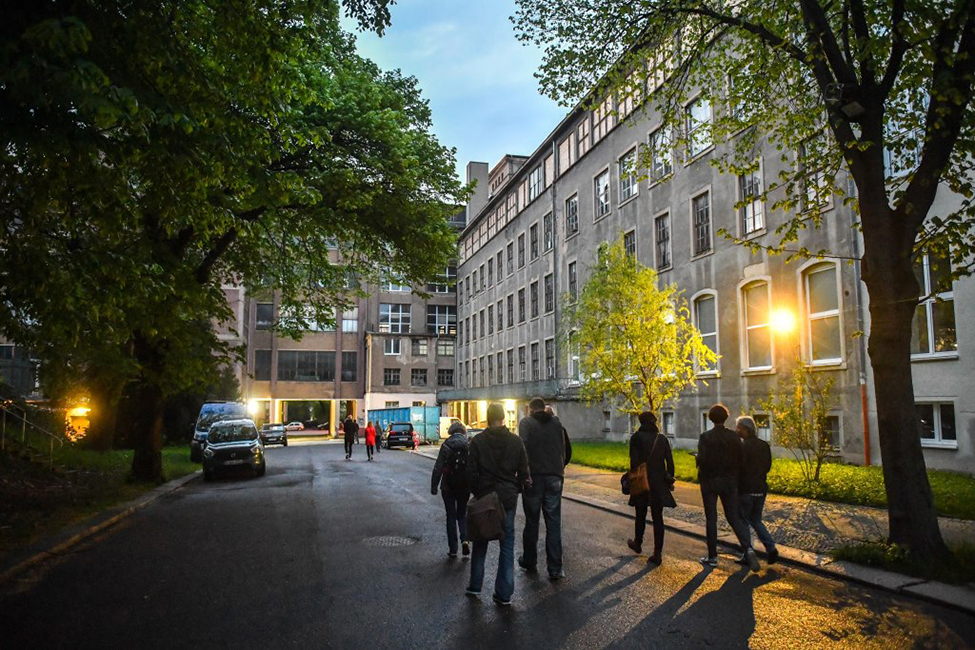
In the Chemnitz Spinning mill building, where about 2,200 people worked in GDR times, more and more smaller companies have been settling for several years, using the old industrial halls as open spaces, workshops or storage rooms. The future lighting situation is intended to remove the current anxiety-inducing spaces caused in part, by darkness. Which were created by the missing scattered light, of the former 24-hours-a-day-illuminated industrial halls. To support a long-term and sustainable development of the partially listed building complex, towards a lively and actively used area, Ruairí O’Brien.Lichtdesign was commissioned by the city of Chemnitz to develop a lighting concept that does justice to the many new possible uses.

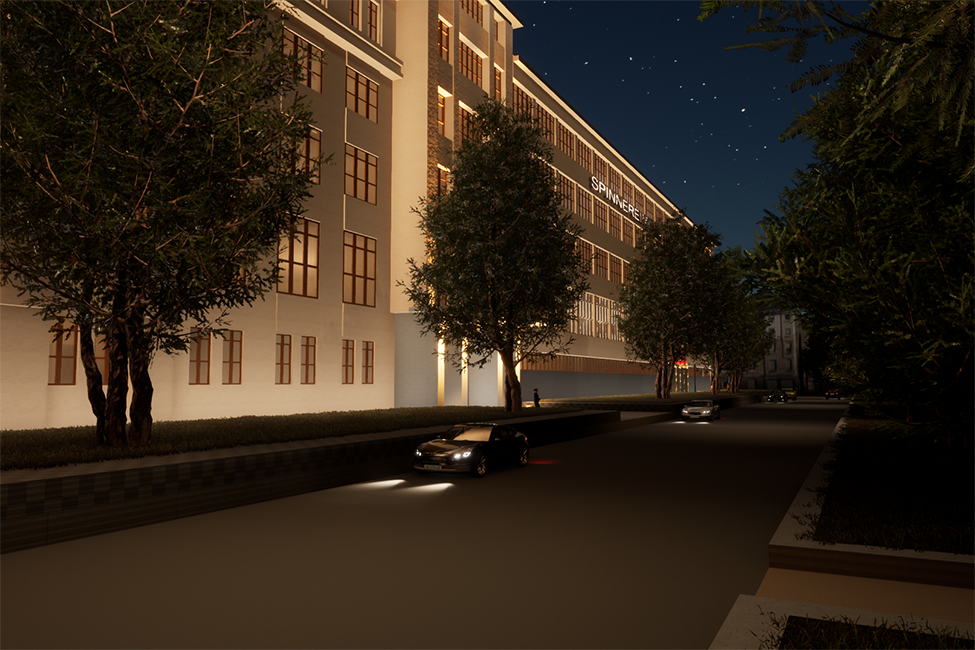
The lighting grasps the historical lighting situation while at the same time taking into account current lighting requirements. The industrial heritage value of the building ensemble remains tangible even after dark. With the help of a sustainable lighting concept consisting of energy-saving, reduced lighting that avoids unnecessary light emissions, visitors are intuitively guided to the site. The realization upon the whole area of the spinning mill building in old Chemnitz can be done step by step in the next years, as various intermediate scenarios have already been considered in the lighting concept.

The lighting concept for the spinning mill building was developed within the framework of the EU project “URBACT 2nd Chance”, with the help of which the large old factory complex of the spinning mill building old Chemnitz is to be reawakened.

You can download the lighting concept under the following link: https://www.chemnitz.de/chemnitz/media/unsere-stadt/stadtentwicklung/eu-foerderung/urbact/2018-08-28-lichtkonzept_spinnereimaschinenbau_kurz.pdf

Light and Word, Cities by the Sea

Light and Word, Cities by the Sea

Light Performance by Ruairí O’Brien

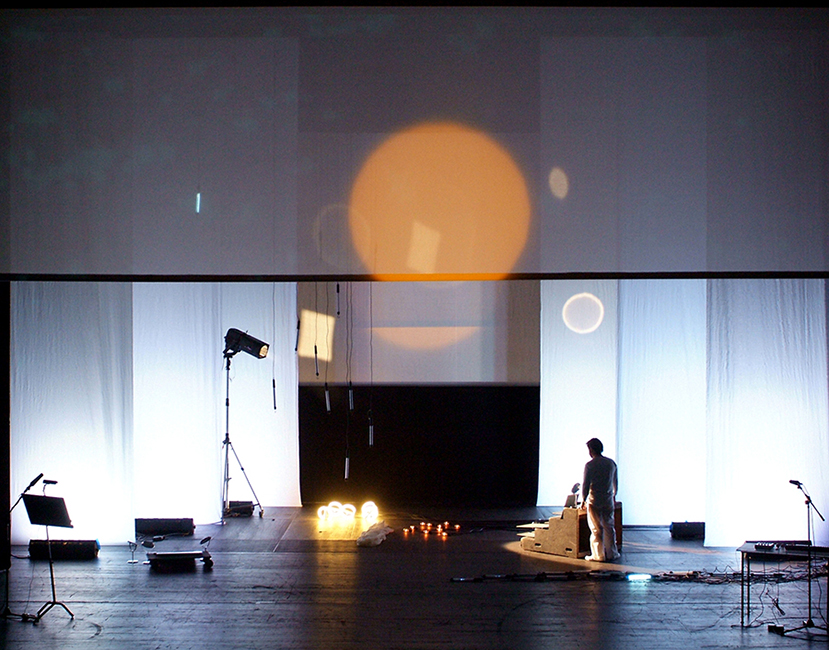
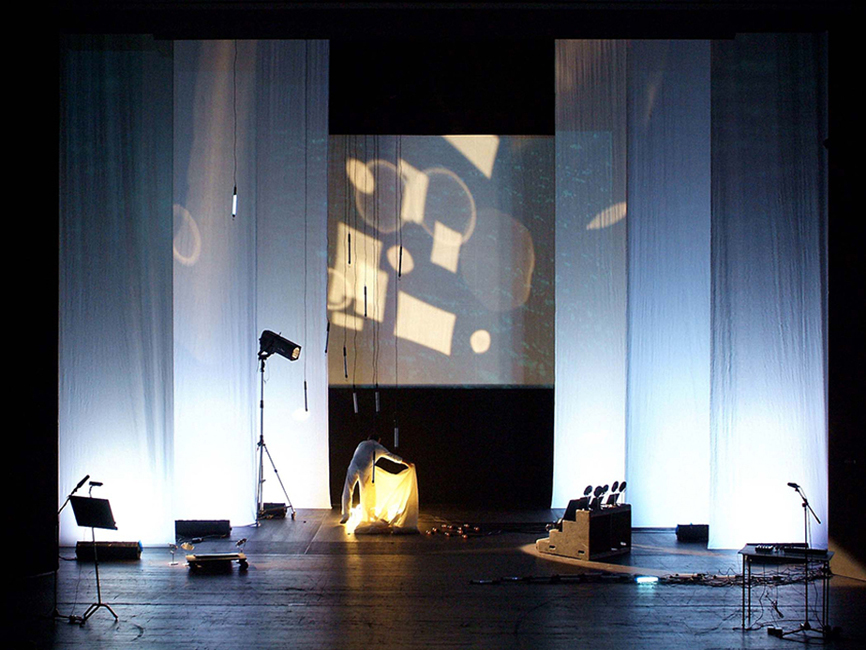
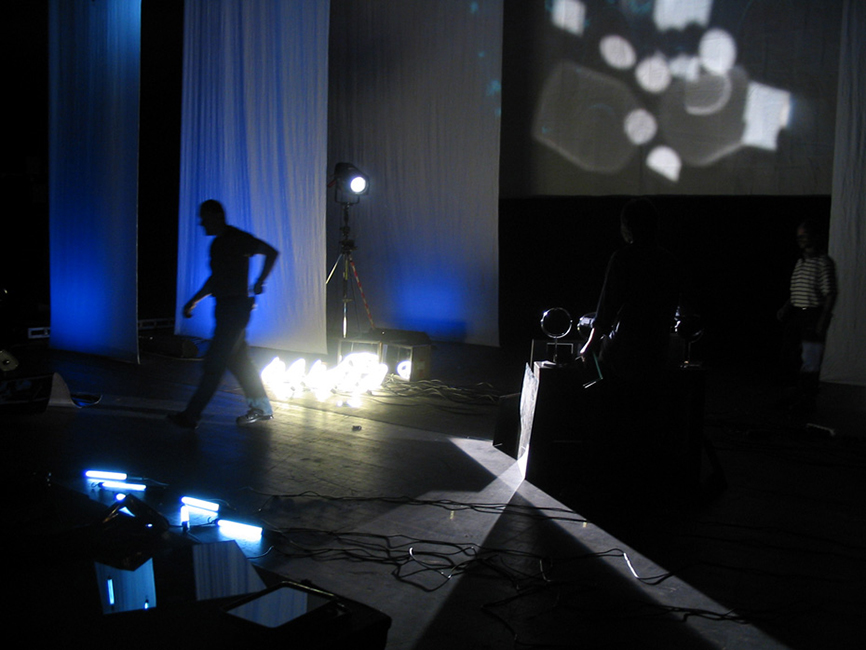
Three arts, one theme: Ronald Lippok (sound), Thomas Kunst (poetry) and Ruairí O’Brien (light) presented the BARDINALE theme “Cities by the Sea” in 2005.

The focus was on the diversity of poetic forms of expression and at the same time the uniqueness of poetry, sound art and light poetry was emphasized. The three artistic interpretations were presented in separate sequences, so that the audience had the chance to experience and compare the realizations of one and the same theme within the three poetic expressions. The dramaturgy of this synthesis of the arts in terms of time and content allowed each genre the greatest possible creative freedom and sole attention.
www.bardinale.de

Winter light concept Leipzig

Winter Light Leipzig

Urban lighting concept for the city center of Leipzig

At the invitation of the city of Leipzig, a winter or Christmas light concept was developed by Ruairí O’Brien in a workshop process. The concept follows the title “inside-outside” and, under the motto “Zeitgeist with heart”, pursues the goal of contrasting a “city ring frozen in light” with the warmly illuminated city center. The aim is to create a fairytale experience. This is achieved through “bulbous thermodynamic lighting” that bathes the ring in a cold white neutral light and the downtown area within it in a warm and homey light. This urban gradation is proposed not only as a Christmas lighting concept, but as “winter lighting” as a whole, corresponding to the temporal dynamics of the winter and advent season.
The concept was recommended for further development for realization with a special appreciation mainly due to its urban design approach.

Client: City of Leipzig, Urban Planning Office

Services: Lighting concept