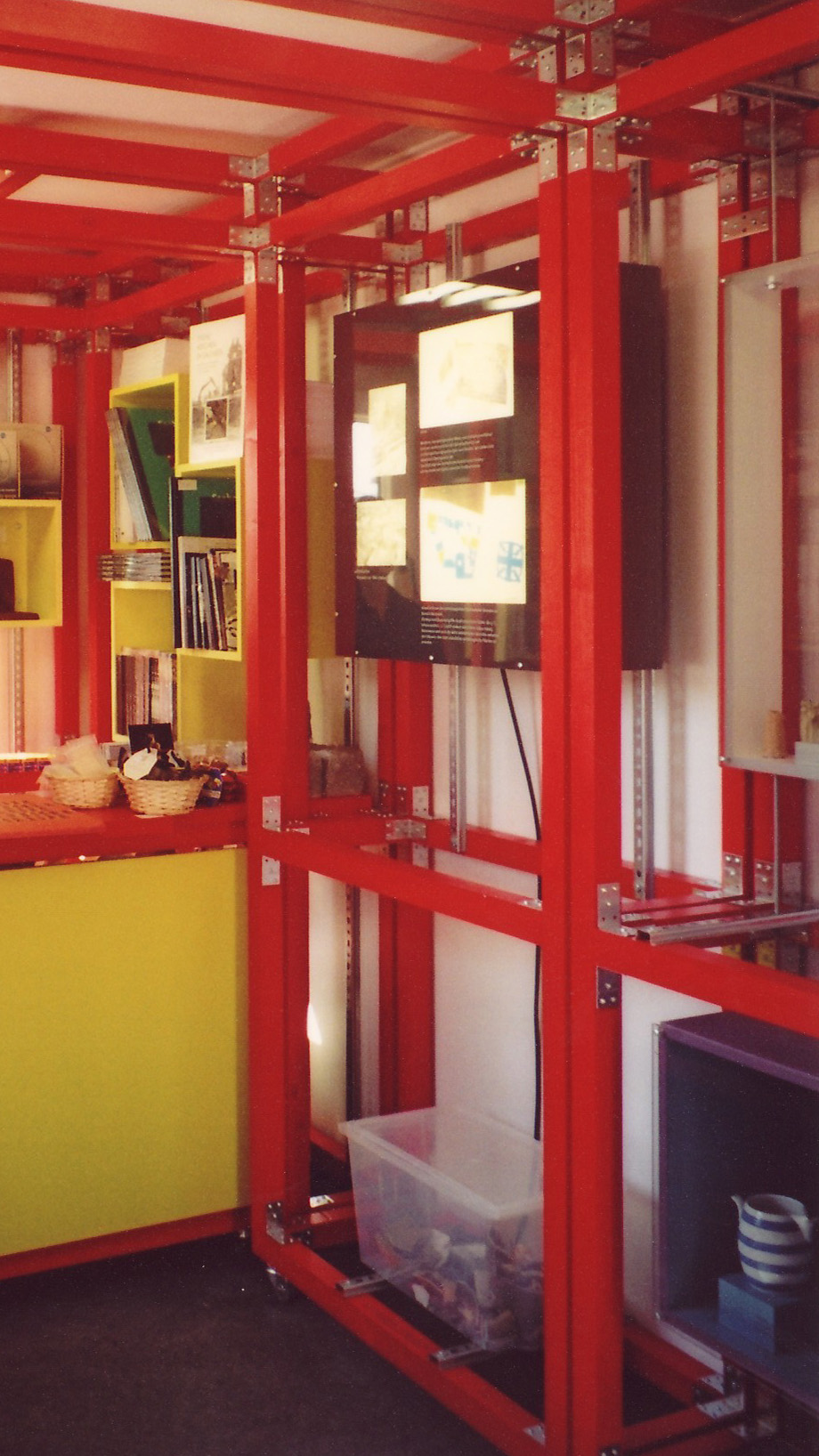
Exhibition TME, Washington D.C.

Exhibition TME, Washington D.C.

Travelling Micromuseum Exhibition of the Erich Kaestner Museum

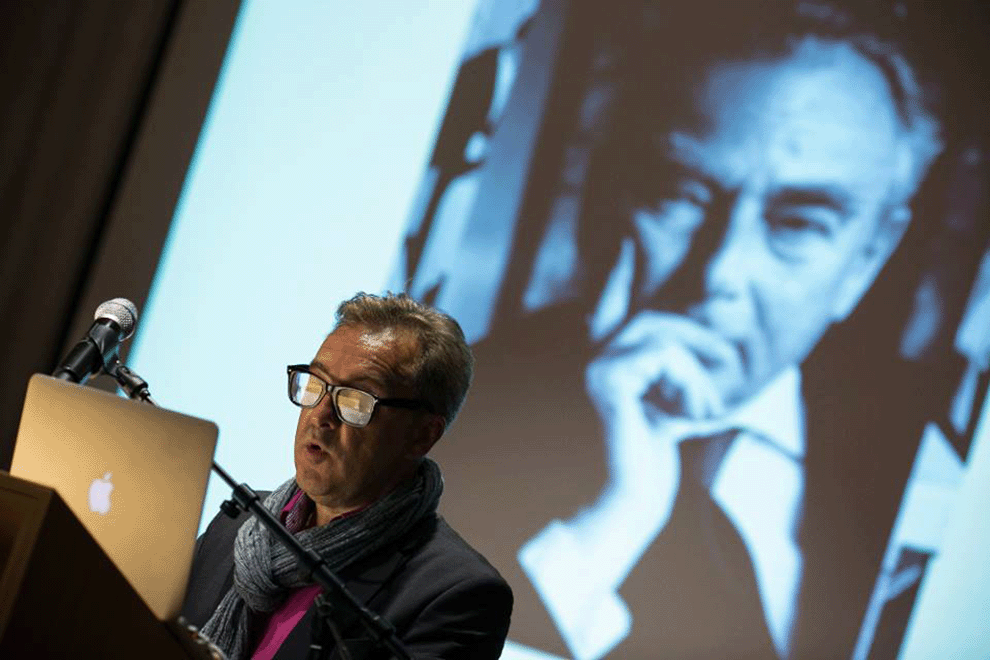
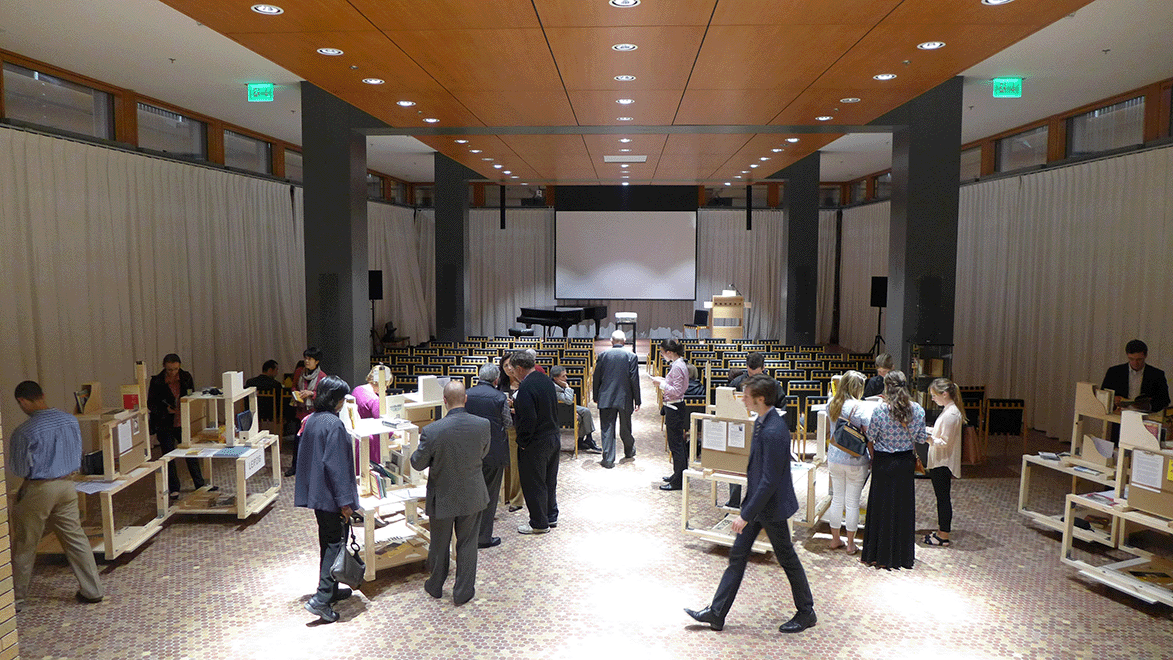
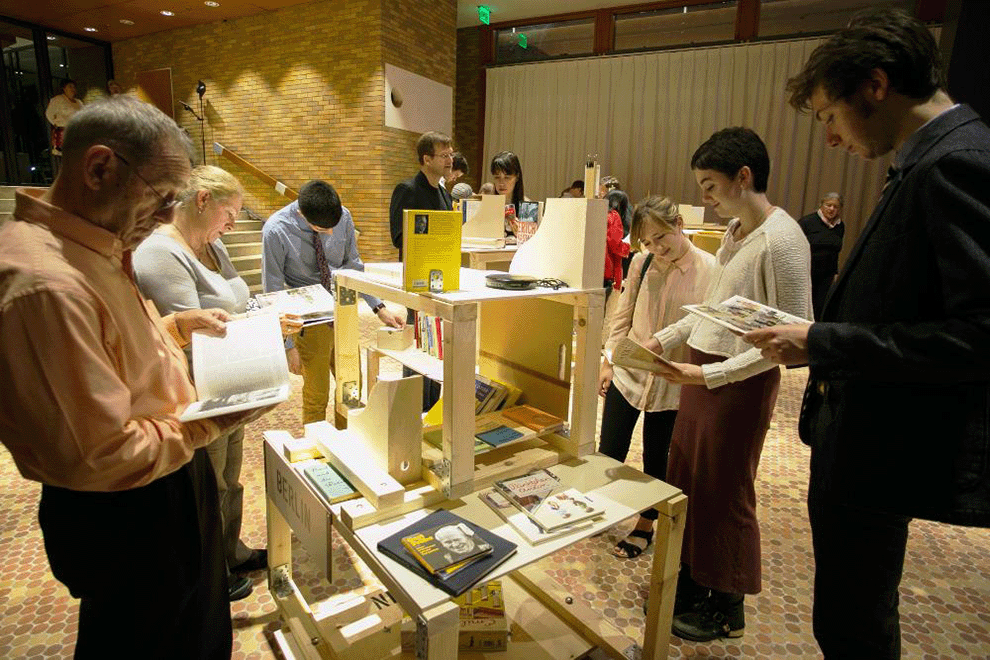
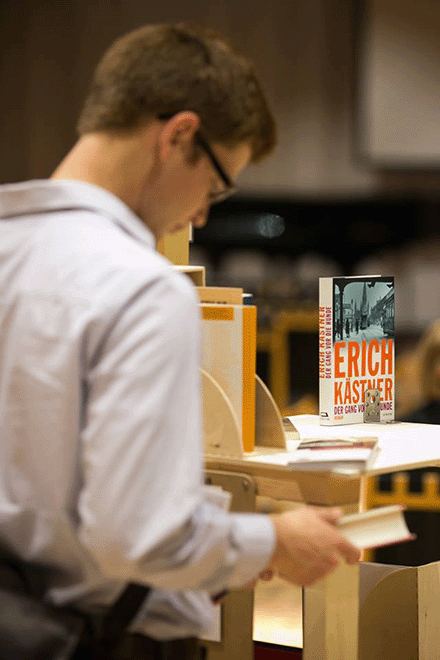
On October 29, 2014, the Travelling Micromusem Exhibition (TME) in honor of the famous German writer Erich Kaestner opened in Washington D. C. at the German Embassy (designed by Egon Eiermann in 1962). In the years between 1962 and 1964, the embassy building was built according to a design by Egon Eiermann. It is the only building of this architect outside Germany. It was renovated from 2010 to 2014. The mobile exhibition, which will be shown in other U.S. cities over the next six months, was conceived and created by architect and lighting designer Ruairi O’Brien. He is also president of the Erich Kaestner Museum in Dresden.
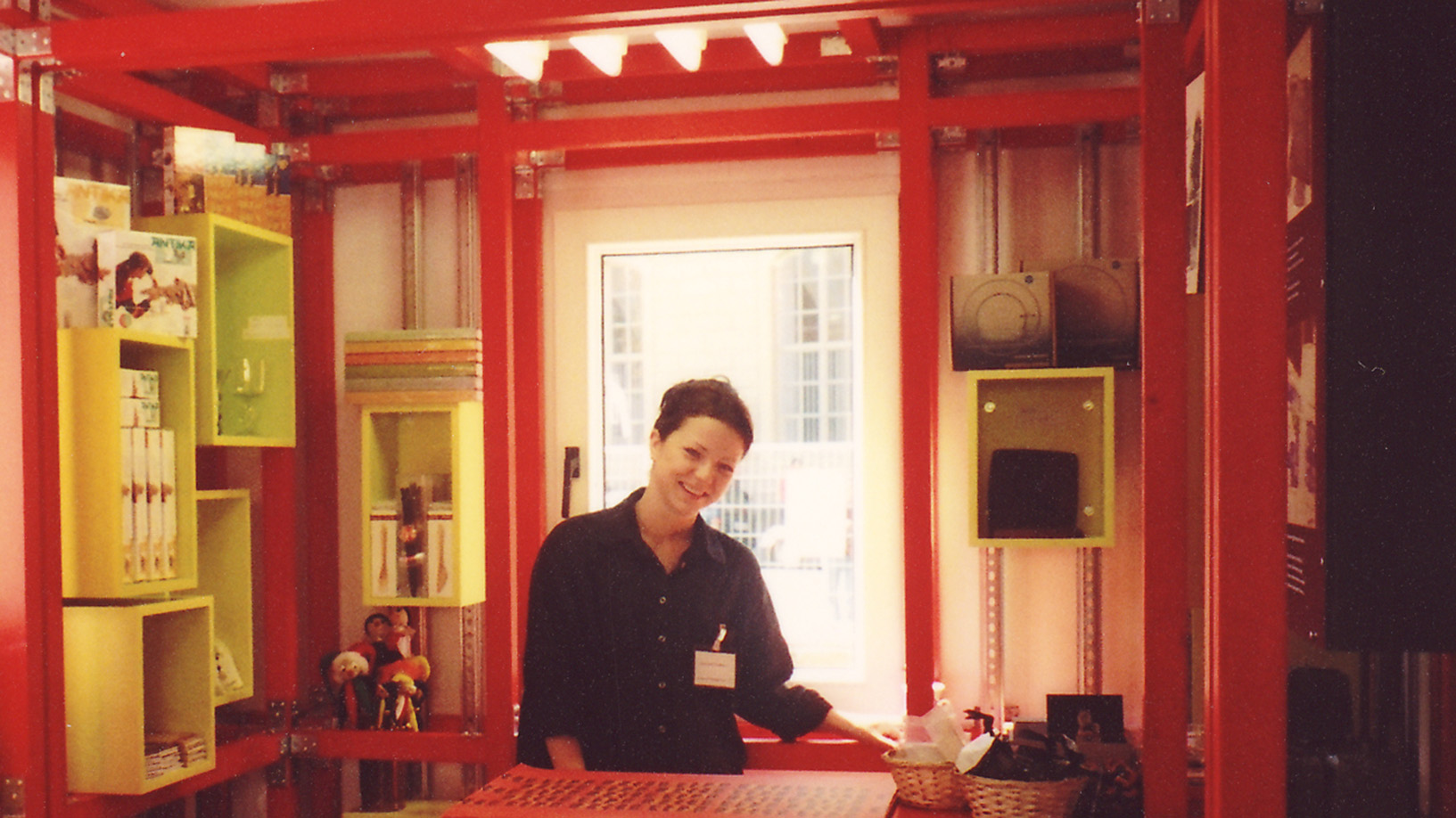
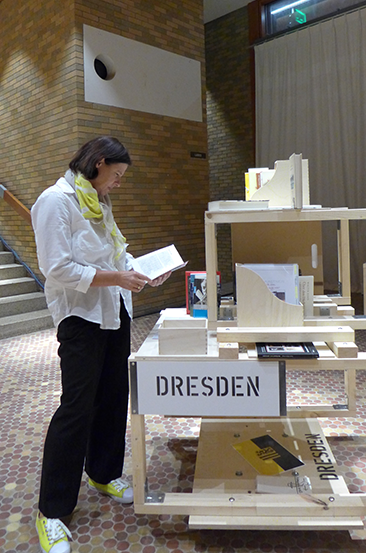
The aim of O’Brien’s concept is to present the important stages in the life of the author, who became world-famous particularly through his children’s books. The individual sections of the Micromuseum reflect the stations in Kaestner’s life, his four major places of activity Dresden, Leipzig, Berlin and Munich.
Kaestner draws portraits of big city life in many of his books. This is particularly inspiring for architects and urban planners, because the depictions of a city like Berlin in the 1930s, which Kaestner describes in works like “Emil and the Detectives” or “Fabian,” are like a kind of blueprint for cities that no longer exist. This element also appears in his autobiography “Als ich ein kleiner Junge war”. Here, Kaestner describes Dresden before the bombing on February 13, 1945, impressively showing that some aspects of a city are irretrievably lost after its destruction. Such a book is a reminder that war destroys many things irretrievably.

SKD Museum Laboratory

SKD Museum Lab

Interactive Museum Project for the Dresden State Art Collections

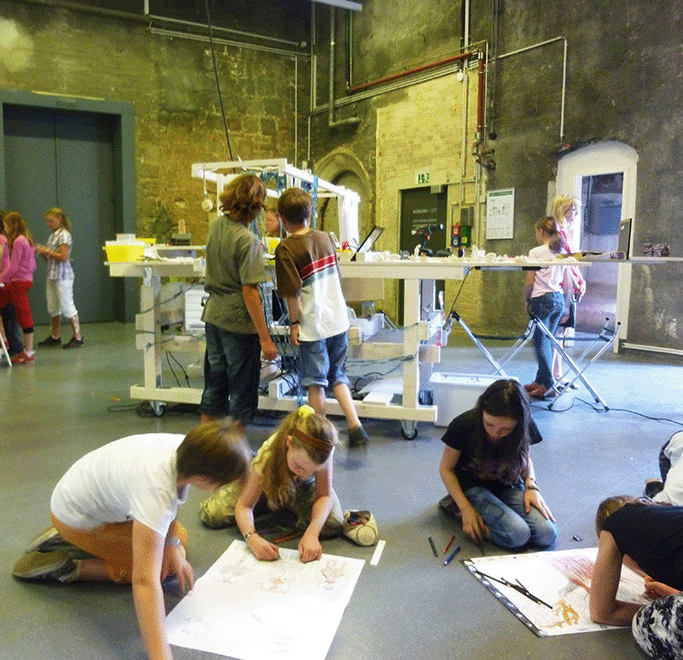
In order to make it possible for students of different ages to actively experience how a museum collection is created, architect Ruairí O’Brien developed the “Museum Lab” as an extracurricular learning opportunity for students on the occasion of the 450th anniversary of the Dresden State Art Collections in 2010.

Extracurricular learning venues have complemented and extended primary instruction in schools since the beginning of the reform education movements. As important mediators of cultural education, museums represent special out-of-school learning venues. To enable students of different ages to actively experience how a museum collection is created, Ruairí O’Brien developed the “Museum Lab” as an extracurricular learning opportunity for students on the occasion of the 450th anniversary of the Dresden State Art Collections in 2010.

The centerpiece: an interactive sculpture

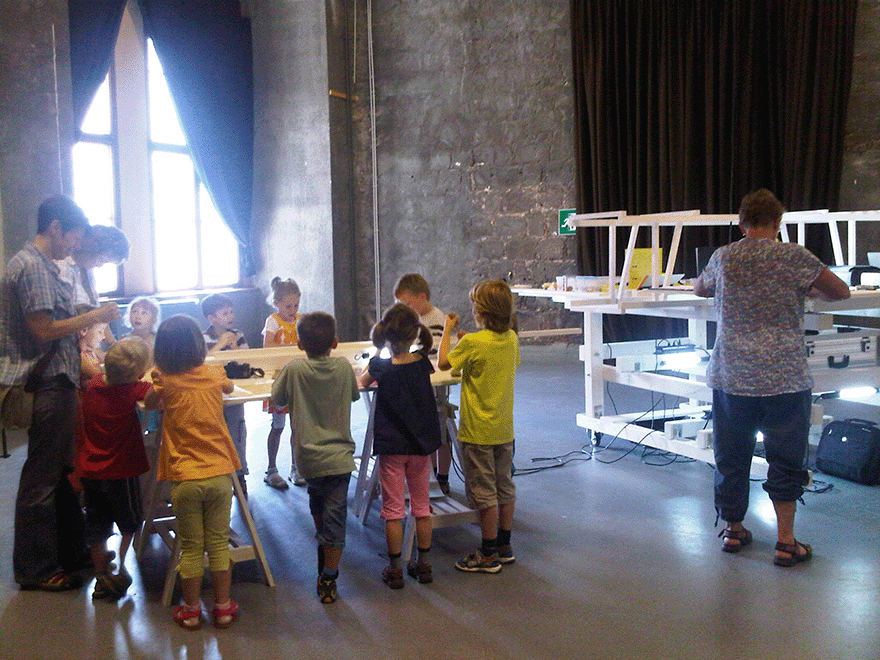
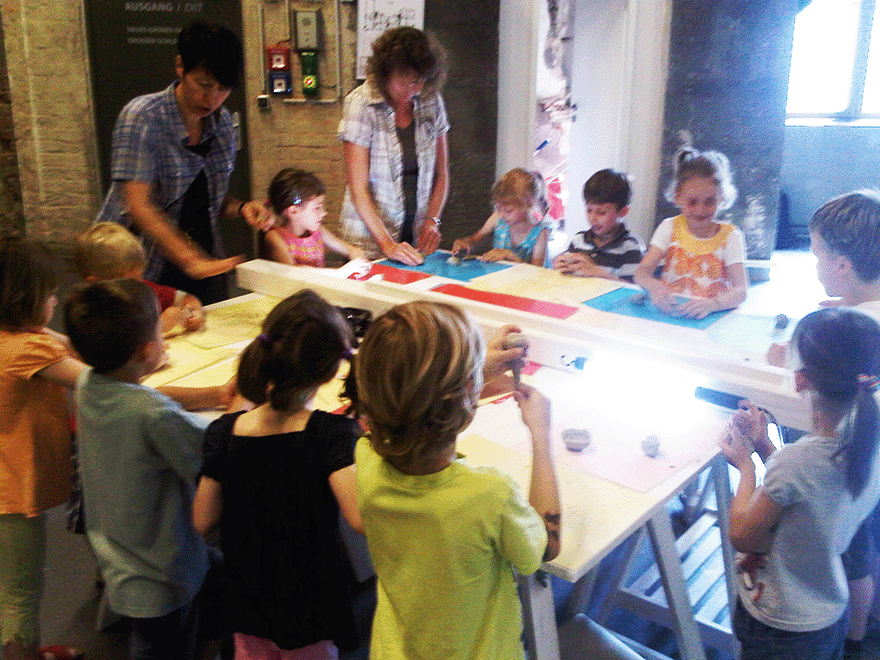
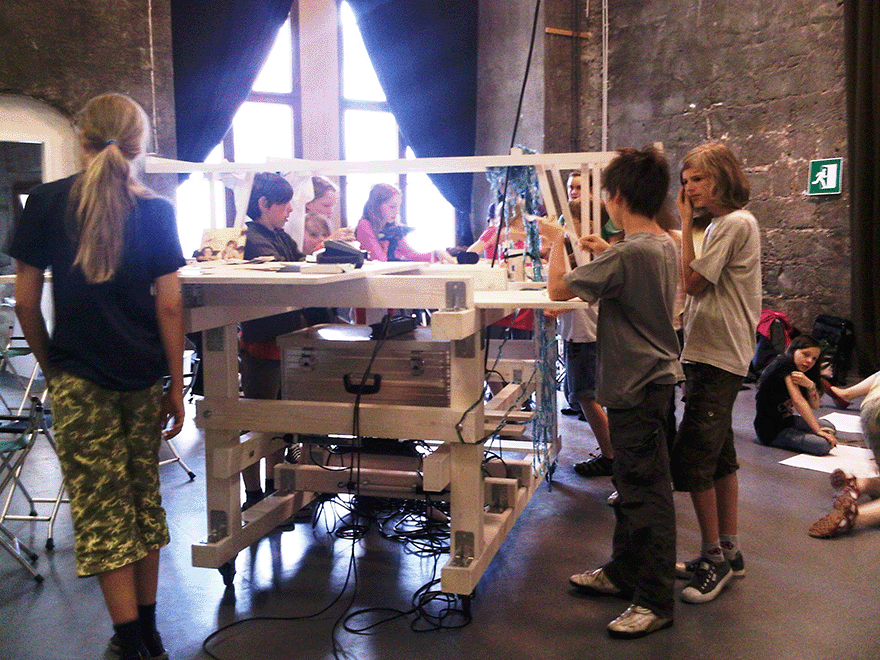
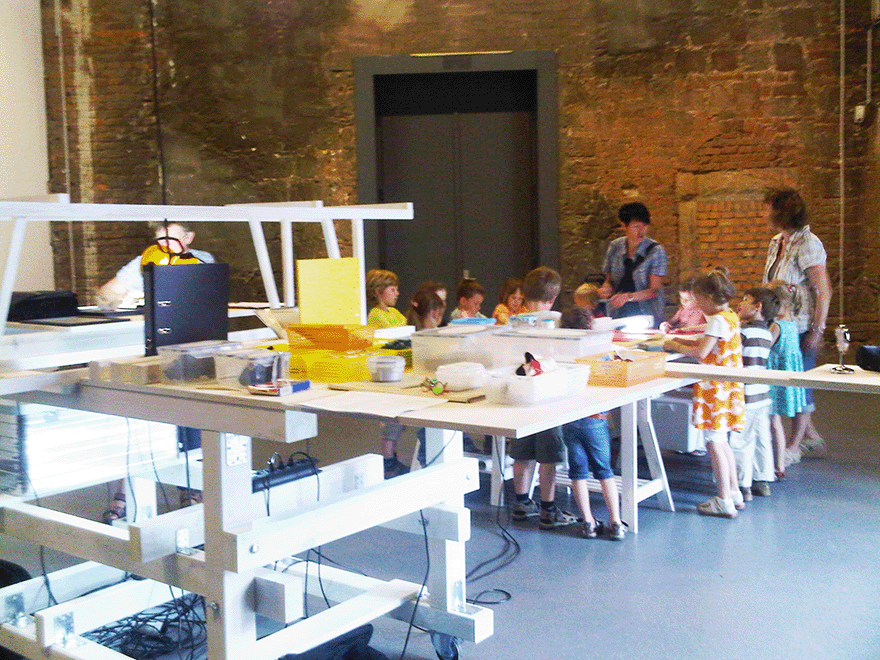
The centerpiece of this special learning environment is an interactive sculpture designed by O’Brien, which served as an experimental collection and presentation surface. In five successive workshops, different groups of students dealt with the themes of “Creation,” “Desire,” “Inquisitiveness,” “Confrontation,” and “Radiance,” thus working through the developmental stages of a museum collection in a playful, compressed form.

Learning big things on a small scale

Each group first dealt with the results of the previous group’s work and then worked on them further. The students experienced “in fast motion” what it means to create a complete work over several generations and to deal responsibly with cultural heritage. This gave them a playful introduction to the institution of museums and allowed them to reflect on the role and significance that museums have for themselves and for society.

More info at: www.skd-museumslabor.blogspot.de


Hologram Machine German Hygiene Museum

Hologram Machine

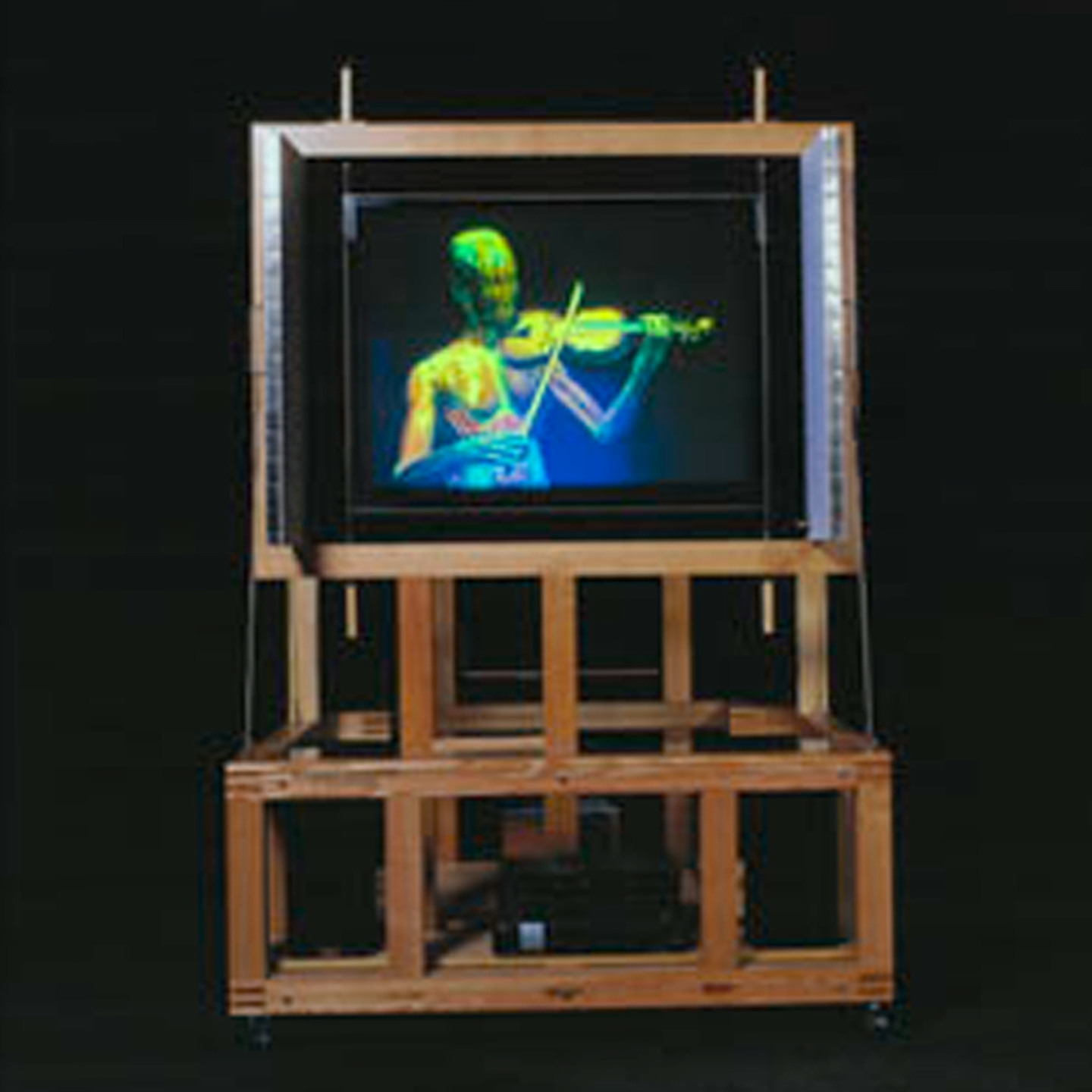
Holographic Exhibition Module for the German Hygiene Museum, Dresden

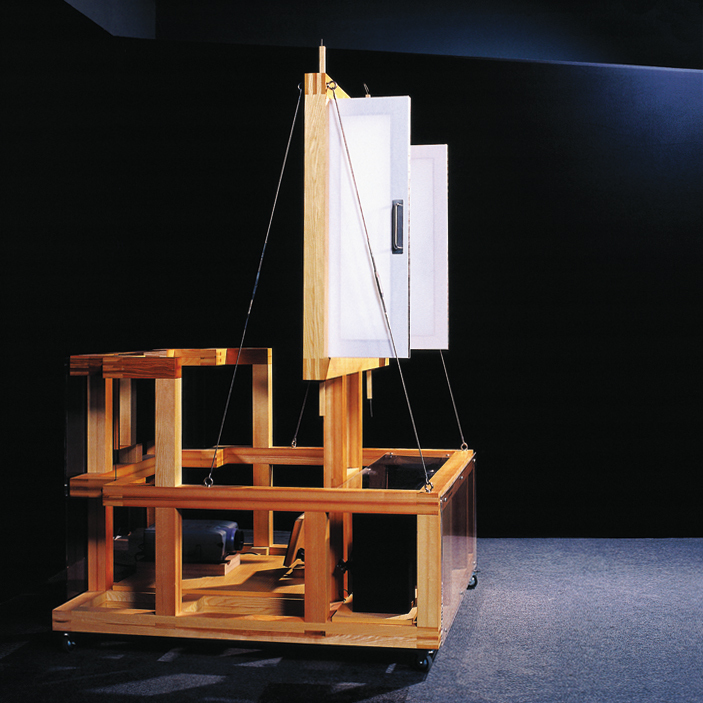
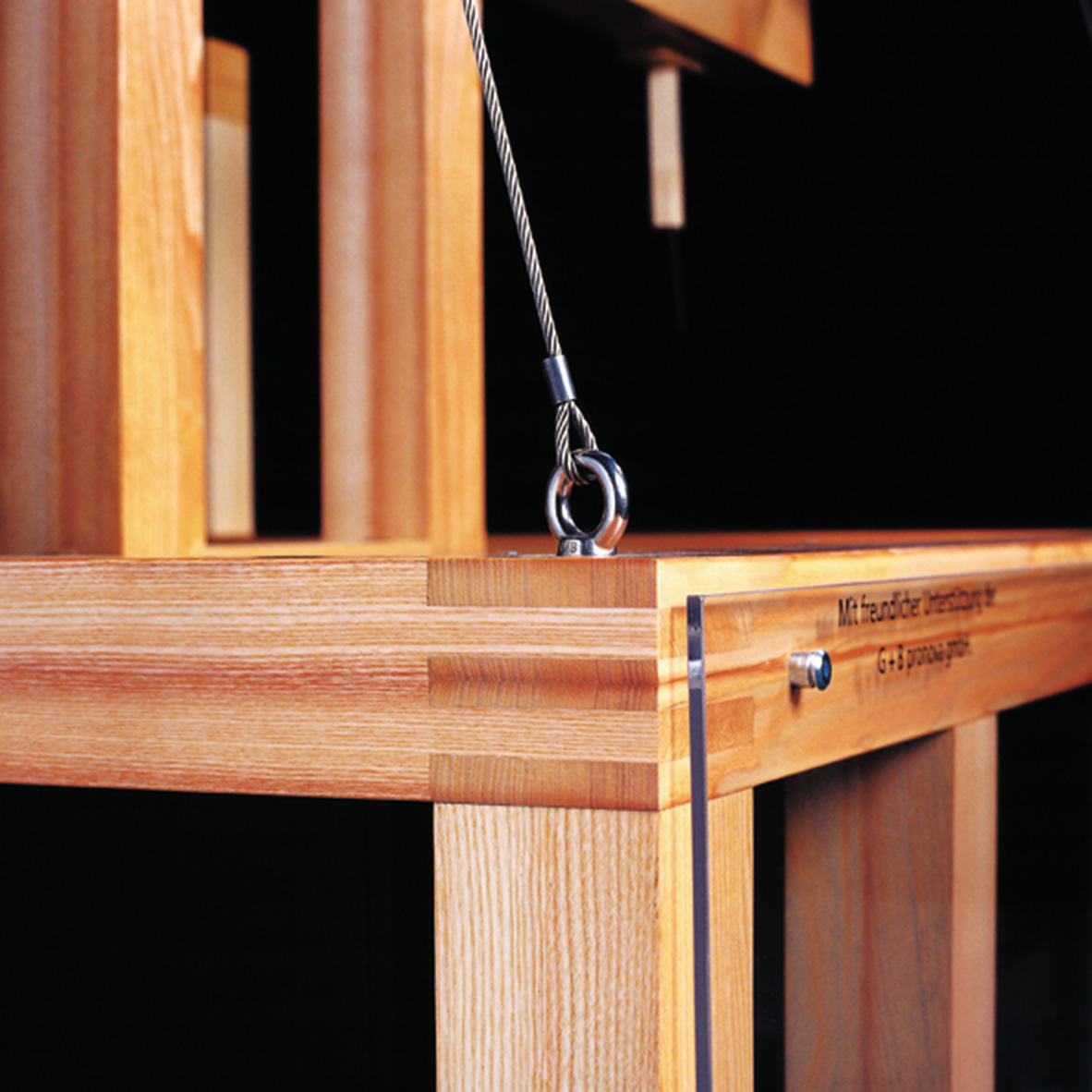
The architectural concept conveys the history of the building in the mirror of its leading objects. The human being as a body that can be disassembled and made transparent is compared to architecture and inspired by it (structural representation of skin, skeleton, organs; proportions, symmetry / asymmetry etc.). The wholeness of the human body, assembled from individual parts, corresponds to the interplay of architectural modules, each of which, as a microarchitectural, self-sufficient element, at the same time forms a part of the whole. A first module, the architectural installation “Winged Altar” for the “Anima” returning from EXPO 2000, was already on display at the German Hygiene Museum.

Client: German Hygiene Museum Foundation

Leipzig, Information Sculpture “89”

Leipzig, Information Sculpture “89”

20 years of peaceful revolution – information sculpture / exhibition

Client: City of Leipzig / Leipzig Tourismus und Marketing GmbH

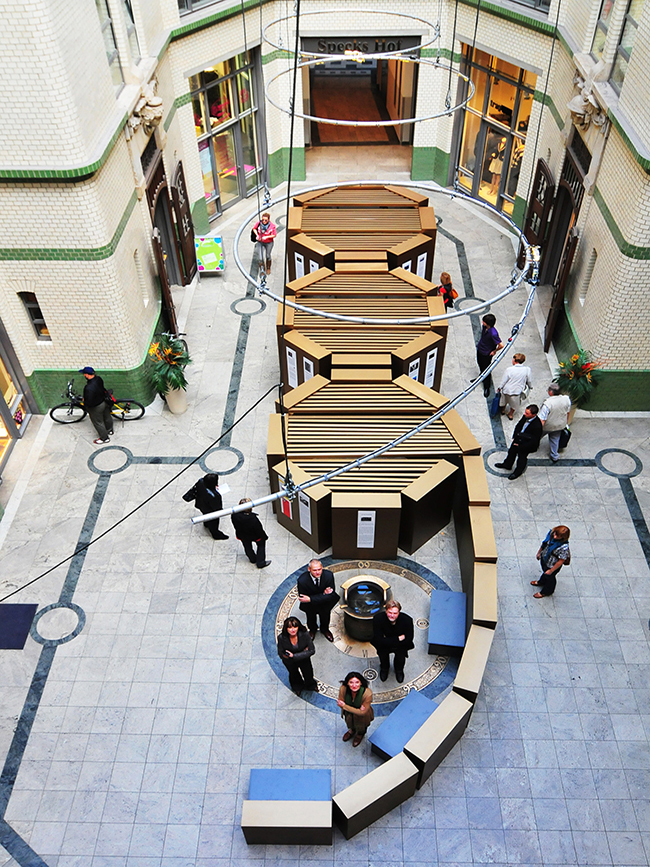
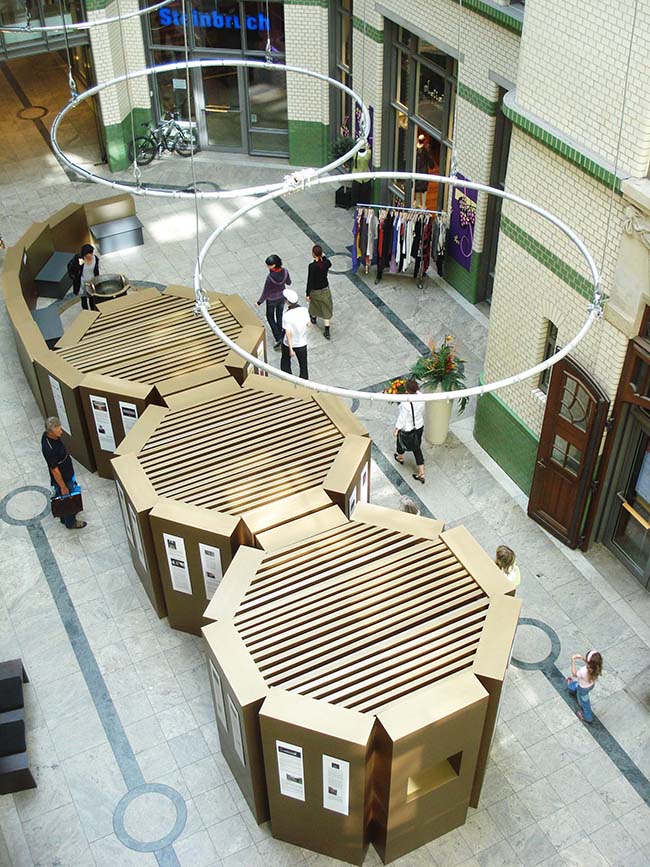
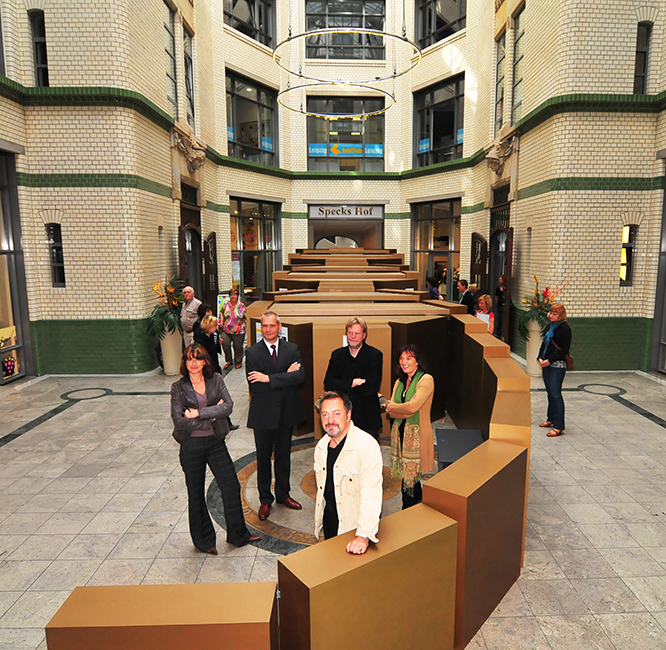
On the occasion of the anniversary of the peaceful revolution this spatial information-sculpture was created. Panels inform about the historical event in autumn 1989, and about the Leipzig Light Festival and the artists participating in it. The sculpture thus forms a connecting element to the current installations taking place in public space and informs visitors about the historical events of 1989.

Museum Container Saxony State Office for Archaeology, Dresden

Museum Container Saxony State Office for Archaeology, Dresden

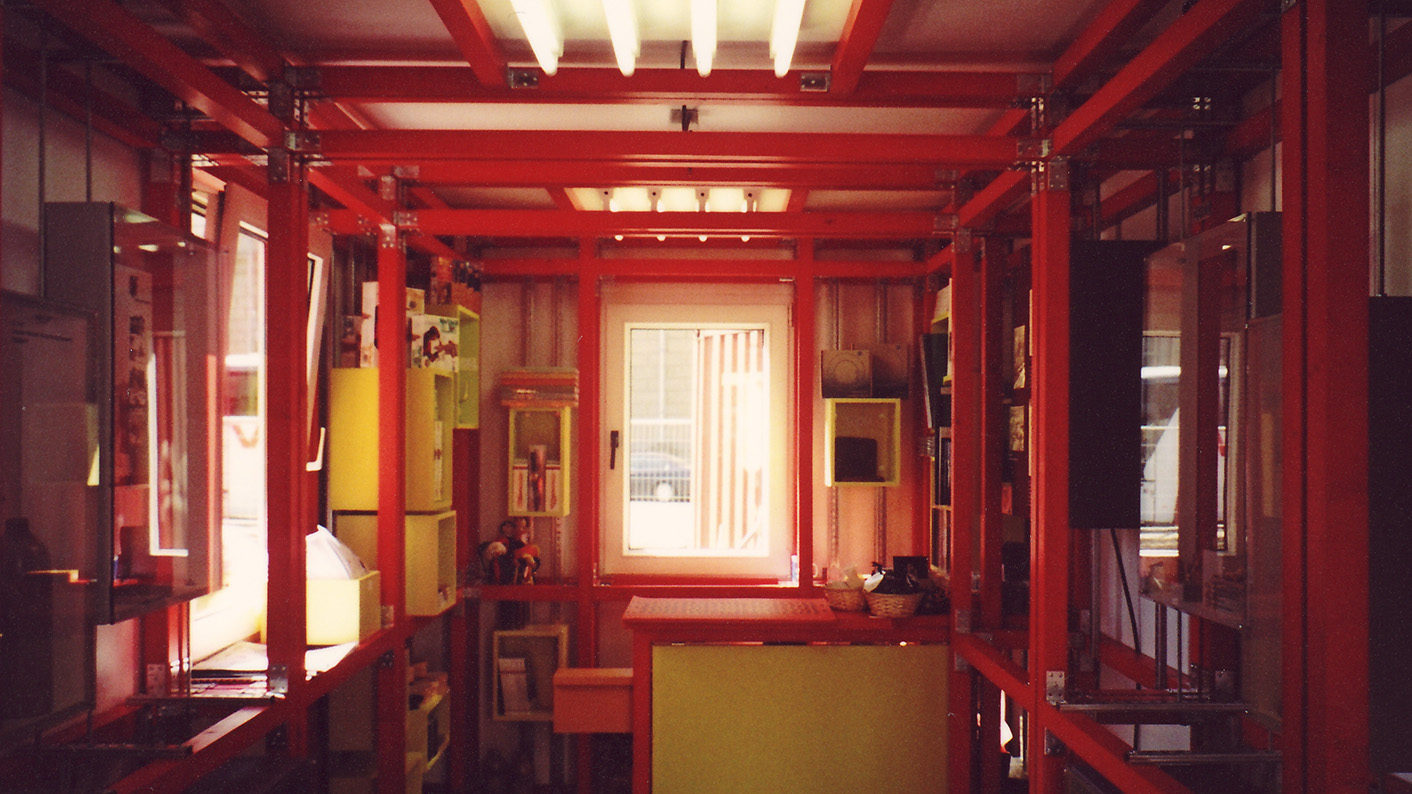
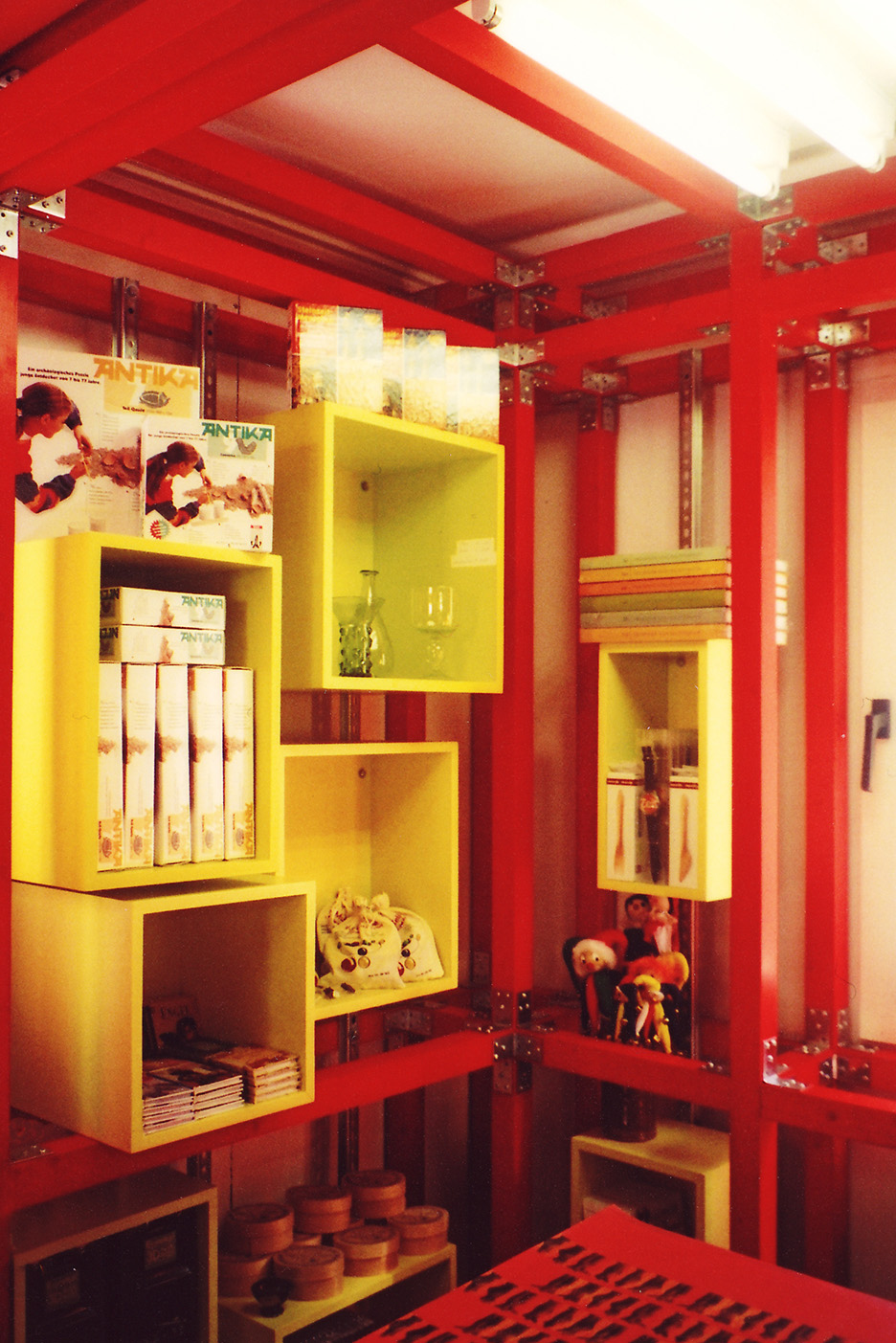
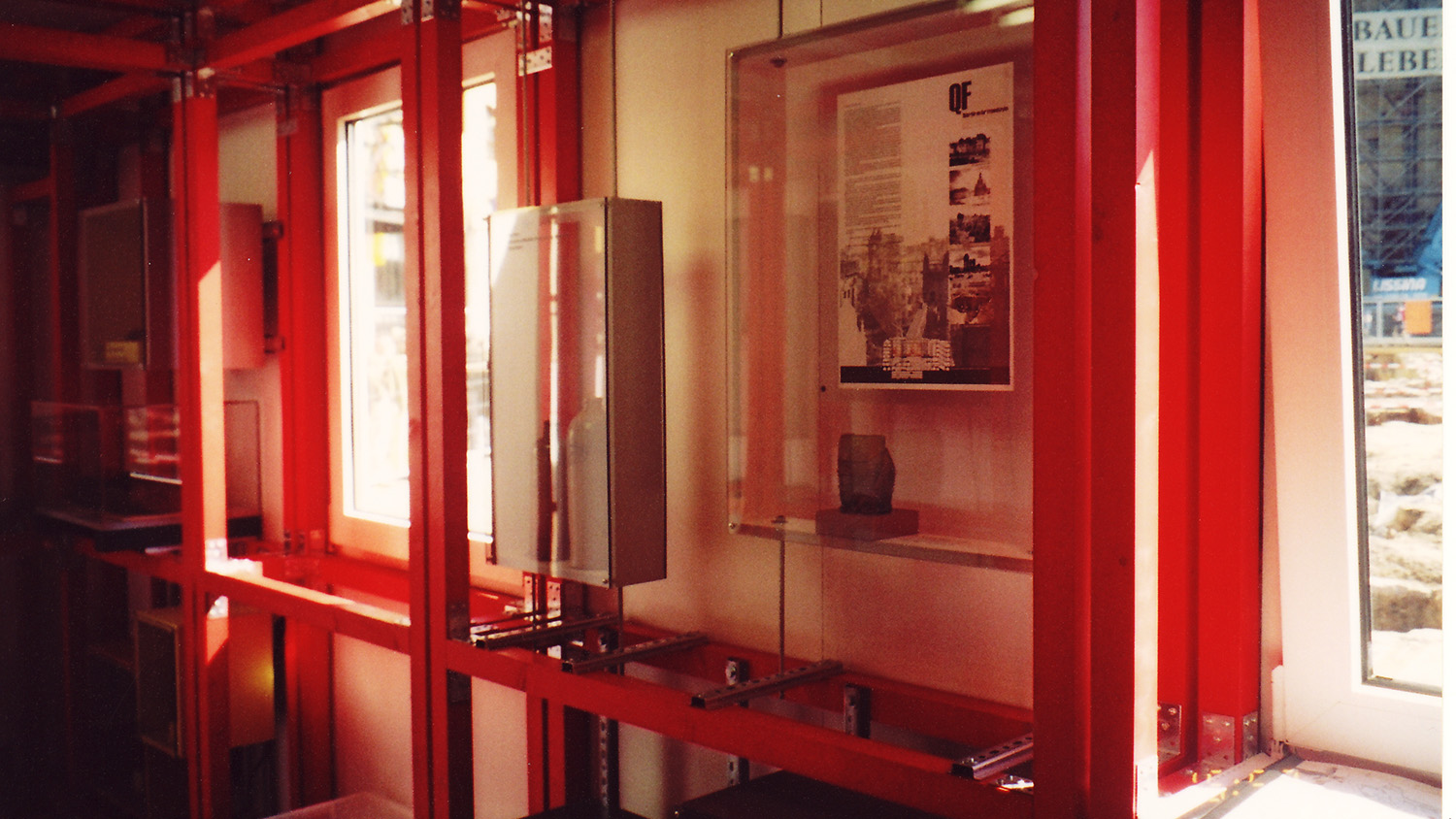
A construction container was erected for the State Office for Archaeology at the Neumarkt excavation site and redesigned as an info container: Visitors could inform themselves about the status of the archaeological excavations and ancient Saxony as well as the State Museum of Prehistory during the excavation process.

Service: Exhibition concept / architecture / design

Client: State Office for Archaeology, 2000